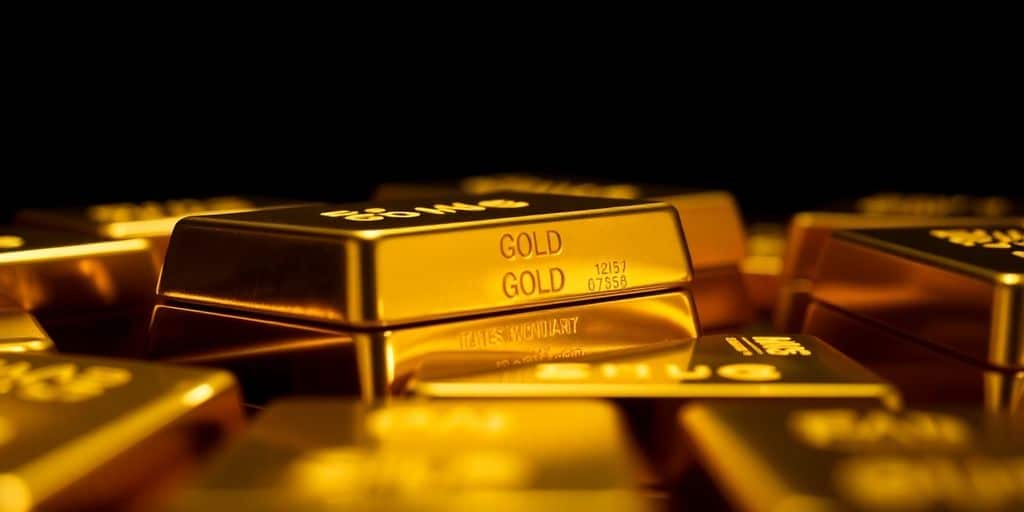
Gold is often seen as a safe haven during times of economic crisis. Its value tends to increase when markets are volatile, making it a popular choice for investors looking to protect their wealth. This article explores the link between gold prices and economic crises, examining various factors that influence this dynamic.
Key Points to Remember
- Gold is considered a safe haven in times of crisis.
- Economic crises, such as that of 2008 and the COVID-19 pandemic, have caused the gold price.
- Central banks hold large reserves of gold, thus influencing its price.
- Gold is a hedge against inflation and currency devaluation.
- The fluctuations of the Gold prices are often the opposite of those of the stock markets.
Gold as a Safe Haven
Why is Gold Considered a Safe Haven?
Gold is often seen as a shelter safe in times of crisis. Its value tends to remain stable or even increase when markets crash. This attracts investors looking to protect their money. Basically, when everything is going bad, gold shines!
Gold During Financial Crises
During financial crises, such as the one in 2008, the price of gold rose. People began buying gold to protect themselves against the loss in value of their other investments. Here are some key points:
- Gold is tangible and can be physically held.
- It is less affected by stock market fluctuations.
- Central banks often buy gold to stabilize their reserves.
Historical Examples of Gold as a Safe Haven
History shows that gold has always been a safe haven. For example:
- Crisis 2008 : Gold price jumped 25%.
- COVID-19 Pandemic : Gold has reached historic highs.
- Geopolitical instabilities : International tensions often cause the price of gold to rise.
In summary, gold is an asset that withstands economic storms well. Its reputation as a safe haven is well deserved, especially in times of uncertainty.
Gold is therefore a wise choice for those who want to diversify their investments and protect themselves against economic crises. He remains a mainstay in the investment world.
The Impact of Economic Crises on the Price of Gold
Financial Crisis of 2008
The 2008 financial crisis was a key moment for the gold price. Gold has soared, rising from $800 an ounce in 2007 to nearly $1900 in 2011. This shows how investors are turning to gold to protect their capital in times of uncertainty.
COVID-19 Pandemic
During the COVID-19 pandemic, gold prices reached historic highs, surpassing $2000 per ounce. This rise was driven by fear and economic uncertainty. People were looking for ways to secure their money, and gold became a popular option.
Other Recent Economic Crises
Other crises, such as geopolitical tensions and currency fluctuations, also impact the price of gold. Here are some key takeaways:
- Gold is often considered a safe investment.
- Economic crises lead to increased demand for gold.
- Central bank actions also influence the price of gold.
In summary, gold has always been a valuable asset in times of crisis. Its ability to retain its value makes it a preferred choice for investors looking to protect themselves against economic uncertainty.
Economic crises clearly show that the price of gold is often linked to fear and instability. Investors should therefore remain attentive to global events that could influence the gold market.
Factors That Influence The Price Of Gold
Role of Central Banks
Central banks play a crucial role in the gold market. They buy and sell gold to diversify their reserves. This can influence the price of gold, especially in times of crisis. For example, when central banks buy more gold, this can drive up prices.
Industrial and Jewelry Demand
Demand for gold does not come only from investors. Industry and jewelry also consume a lot of it. Here are some points to remember:
- Jewelry represents a significant part of the demand.
- Industry uses gold for electronic components.
- In times of crisis, demand for jewelry may decrease, but gold remains popular for investment.
Speculation and Investment
Speculation in the gold market can also cause its price to fluctuate. Investors often seek to profit from fluctuations. Here are some things to consider:
- Market trends can influence purchasing decisions.
- Economic news can cause rapid price movements.
- Institutional investors play a key role in determining prices.
In summary, the price of gold is influenced by several factors, ranging from central bank decisions to industrial demand and speculation. These elements make gold a very dynamic asset on the market.
Gold and Inflation
Correlation Between Gold and Inflation
Gold is often seen as a protected against inflation. Indeed, when prices rise, the value of gold tends to rise too. This makes gold a popular choice for investors looking to preserve their wealth.
Gold as a hedge against inflation
Here are some reasons why gold is considered a good hedge against inflation:
- Stable value : Unlike currencies, gold cannot be printed at will.
- Increased demand : During times of inflation, demand for gold increases, which causes its price to rise.
- History : Historically, gold has performed well during periods of high inflation.
Examples of Inflation Periods
| Year | Inflation rate (%) | Gold Price (in $) |
|---|---|---|
| 1970 | 5.84 | 35 |
| 1980 | 13.55 | 850 |
| 2008 | 3.84 | 1000 |
| 2020 | 1.25 | 2000 |
In times of crisis, gold is often considered a safe haven. This means that when stock markets crash, the price of gold tends to rise, attracting investors looking for safety.
Thus, gold remains a valuable asset, especially when inflation threatens to reduce consumers' purchasing power.
Gold and Interest Rates
Effect of Low Interest Rates on Gold
When interest rates are low, gold becomes more attractive for investors. Indeed, gold does not generate interest, so when rates are low, there is no big difference between keeping money in a bank or investing in gold. This pushes people to buy gold, which drives up its price.
Comparison with Bonds
Here is a small table to better understand the difference between gold and bonds in times of low rates:
| Investment Type | Interest rate | Performance | Risque |
|---|---|---|---|
| Or | 0% | No | Low |
| Obligations | Low or Negative | Low | Moderate |
Current Interest Rate Trends
Currently, interest rates are very low in many countries. This means that gold could continue to be a popular option for those looking to protect their money. Here are some key takeaways:
- Low rates make gold more competitive.
- Investors are looking for safe alternatives.
- Gold is often seen as a safe haven in times of uncertainty.
In summary, low interest rates are making it easier to buy gold as investors seek to avoid bond risks and protect their capital.
Gold and the Stock Markets
Negative Correlation With Stock Markets
Gold often has an inverse relationship with stock markets. When stocks fall, gold tends to rise. This makes gold a popular choice for investors looking to protect their money. Here are some key points:
- Gold is considered a safe investment.
- Investors turn to gold in times of uncertainty.
- Fluctuations in the stock markets directly influence the price of gold.
Gold Performance During Stock Market Crises
During stock market crises, gold has shown impressive performance. For example, during the 2008 financial crisis, the price of gold reached historic highs. Here is a summary table:
| Year | Gold Price (in $) | Stock Market Event |
|---|---|---|
| 2008 | 1000 | Subprime crisis |
| 2020 | 2074 | COVID-19 Pandemic |
Diversified Investment Strategies
For investors, diversifying your portfolio is essential. Here are some strategies:
- Investing in physical gold (ingots, coins).
- Buy ETFs related to gold.
- Follow economic trends to adjust its investments.
In times of crisis, gold remains a solid asset, attracting those seeking to secure their wealth.
In summary, gold and stock markets have a complex relationship, but gold often proves to be a good choice in times of crisis.
Gold and Currencies
Relationship Between Gold and Dollar
Gold and the dollar have a fairly close relationship. special. Generally, when the dollar strengthens, the price of gold tends to fall. This is because gold is often seen as an alternative to the dollar. When the dollar is strong, investors prefer the dollar, which lowers demand for gold.
Impact of Currency Fluctuations
Currency fluctuations can also influence the Gold prices. For example, if a currency devalues, it can make gold more expensive for investors using that currency. Here are some points to remember:
- A devaluation of the local currency increases the price of gold.
- Economic crises often lead to monetary instability.
- Gold is seen as a safe haven in times of uncertainty.
Examples of Currency Devaluation
Here are some recent examples of currency devaluation and their impact on the price of gold:
| Year | Event | Impact on the Price of Gold |
|---|---|---|
| 2008 | financial crisis | Significant increase |
| 2020 | COVID-19 pandemic | Prices soar |
| 2022 | War in Ukraine | Continued increase |
In times of crisis, gold becomes a highly sought-after asset, as it is seen as a refuge from economic uncertainty.
In summary, the relationship between gold and currencies is complex, but it is essential to understanding the movements of the gold market. Investors should always keep an eye on currency fluctuations to anticipate changes in the price of gold.
The Different Forms of Gold Investment
Bullion and Coins
Investing in physical gold, such as bars and coins, is a popular option. These investments provide tangible security. Bullion bars are often chosen for their purity and standardized weight. Coins, such as Napoleons or Krugerrands, are also highly valued for their historical value.
- Ingots : High purity, standardized.
- Rooms : Historical value, easily exchangeable.
- Jewelry : Aesthetic value, but pay attention to authenticity.
Paper Gold Vs Physical Gold
For those who don't want to deal with physical gold, there are options like ETFs (Exchange Traded Funds). These funds allow you to invest in gold without having to worry about storage. Here is a comparison table:
| Investment Type | Benefits | Drawbacks |
|---|---|---|
| Physical Gold | Tangible security | Storage costs |
| Gold Paper | Access facility | No physical possession |
Advantages and Disadvantages of Each Form
Each form of investment has its own advantages and disadvantages. Here are some points to consider:
- Physical Gold : Security, but storage costs.
- Gold Paper : Ease of access, but not of possession.
- Mining Actions : Potential for returns, but more risks.
In summary, choosing the right form of gold investment depends on your financial goals and risk tolerance. Gold remains a safe haven, especially during times of economic crisis, as seen during the subprime crisis. When the dollar rises, gold tends to fall, but it remains a solid choice to diversify your portfolio.
Precautions to Take When Buying Gold
Authenticity Verification
When you buy gold, It is super important to verify its authenticity. In times of crisis, some unscrupulous sellers may try to sell you counterfeit gold. Here are some tips:
- Buy from verified sellers.
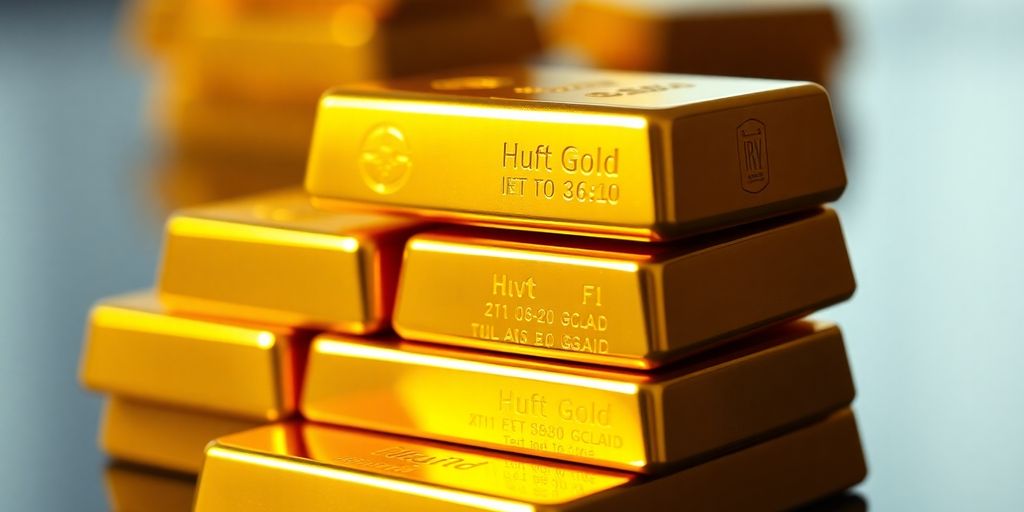
- Check the hallmarks on the bars and coins: they should indicate the purity and the name of the founder.
- Ask for a certificate of authenticity to guarantee the provenance of your gold.
Choosing the Right Time to Buy
The time of purchase can influence the price of gold. In general, Falling interest rates push up gold prices, which may be a good time to buy. Here are some things to consider:
- Follow economic trends.
- Avoid buying when the price is at its highest.
- Learn about market forecasts.
Risks Associated With Investing In Gold
Investing in gold involves risks. Here are some precautions to take:
- Don't put all your eggs in one basket: diversify your investments.
- Be aware of market fluctuations.
- Learn about taxes and fees associated with buying and selling gold.
In summary, buying gold can be a good idea, but you have to remain vigilant and be well informed to avoid unpleasant surprises!
The History of the Price of Gold
Evolution of the Price of Gold in the 20th Century
The history of the price of gold is fascinating and full of twists and turns. Gold has always been considered a safe haven, especially in times of crisis. In the 1971th century, its price experienced significant fluctuations, influenced by major economic and political events. For example, in XNUMX, the United States abandoned the gold standard, which caused a significant increase in the price of gold.
The Great Gold Rushes
Gold rushes have made history, most notably the California gold rush of 1849. Thousands of people flocked to the American West, hoping to strike it rich. These events not only changed the economic landscape, but also impacted the price of gold. Here are some key takeaways:
- 1849 : California Gold Rush.
- 1896 : Discovery of gold in the Klondike, Canada.
- 1934 : The US government sets the price of gold at $35 per ounce.
The Gold Market Today
Today, the gold market is global and highly dynamic. Central banks, investors, and individuals all play a role in determining the price. In 2023, the price of gold reached historic highs, partly due to global economic uncertainty.
| Year | Gold Price (in $) |
|---|---|
| 2000 | 280 |
| 2008 | 900 |
| 2011 | 1900 |
| 2020 | 2000 |
| 2023 | 2500 |
Gold remains a popular investment, especially in times of crisis. Its role as a safe haven is more relevant than ever, especially with the impact of the US elections on the gold price.
In short, the history of the gold price is a reflection of economic and political uncertainties. Whether through gold rushes or financial crises, gold continues to attract the attention of investors around the world.
The Role of Central Banks in the Gold Market
Central Bank Gold Reserves
Central banks hold a quantity important gold in their reserves. This reflects the economic health of a country. For example, the United States has one of the largest gold reserves in the world, which gives it a degree of financial stability.
Buying and Selling Policies
Central banks buy and sell gold to diversify their reserves. Here are some reasons why they do this:
- Economic stability : Gold is a safe asset in times of uncertainty.
- Inflation : Gold can protect against currency devaluation.
- Diversification strategies : This increases the demand for gold in the market.
Impact on the price of gold
Central bank decisions directly influence the Gold prices. When they buy large quantities, it can drive up prices. Conversely, if they sell, it can drive down prices. For example, during the 2008 financial crisis, central banks increased their gold reserves, which contributed to the rise in gold prices.
In summary, the role of central banks in the gold market is crucial. They influence not only the price of gold, but also the perception of its value as a safe haven asset.
Central banks play a vital role in the gold market. They regulate supply and demand, thereby influencing prices. If you would like to learn more about theinvestment in gold, visit our site to discover our offers and advice. Don't miss this opportunity to enrich your heritage!
Conclusion
To conclude, gold is truly a safe haven, especially when times are tough. When stock markets crash and people worry about their money, gold remains stable and often even rises. It is like a shield against economic crises. Investors turn to gold to protect their capital, and that is why its price often rises when there are economic problems. Overall, gold is a good choice for those who want to secure their money in turbulent times.