
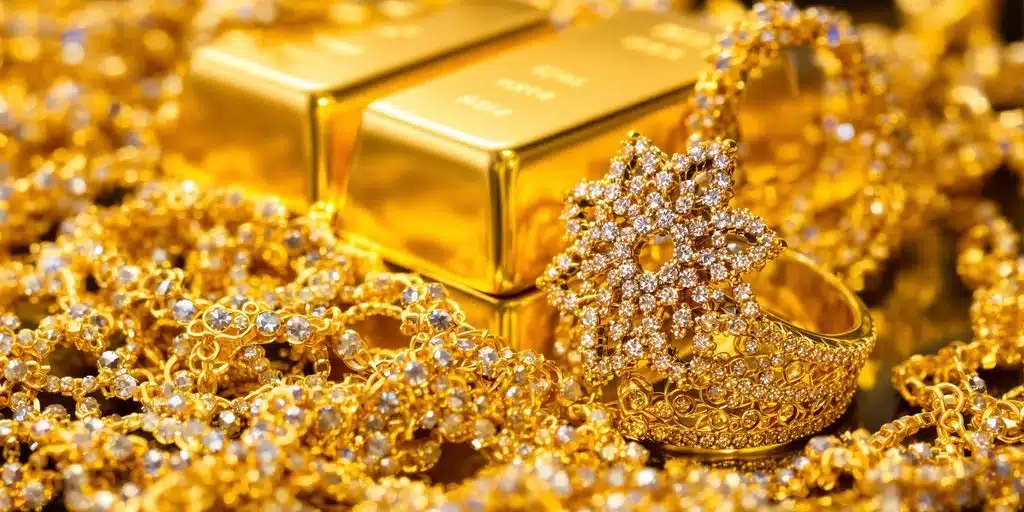
Are you wondering if the worlds of gold and jewelry are two distinct markets? That's an excellent question, because gold, as a raw material, has its own life, but when it's transformed into jewelry, it takes on another dimension. Together, we'll explore how these two worlds coexist, influence each other, and sometimes even merge. Prepare to discover the intricacies of this fascinating market.
Key Takeaways
- Gold is much more than just a commodity; its history, industrial use, and role as a safe haven shape its intrinsic value.
- The gold market is governed by precise quotation mechanisms, such as the fixing, and real-time prices, which determine its value on global financial markets.
- Gold jewelry isn't just about its metal weight; alloys, colors, brand histories, and the uniqueness of vintage pieces add considerable value.
- Investing in physical gold, whether in the form of bars or coins, requires knowledge of the quality and purity criteria and the specificities of each format.
- Selling gold jewelry requires proper preparation, understanding the market, and choosing the right platform to get the most out of it.
Gold, a metal with many facets
Gold, this fascinating metal, has captivated humanity through the ages. Much more than a simple chemical element, it has become a universal symbol of wealth, power, and beauty. Its characteristic yellow luster, malleability, and resistance to corrosion have made it a material of choice for ancient civilizations and modern industries alike. Whether you're a jewelry enthusiast, a savvy investor, or simply curious, understanding the different facets of gold is a key step.
The Millennial History of Gold
Gold has fascinated people since the dawn of time. It has been found in the most ancient civilizations, used for adornment, ritual objects, and as currency. The Egyptians, Greeks, and Romans were all captivated by its value and brilliance. It has financed empires, shaped eras, and even sparked gold rushes that shaped entire territories, such as in California in the 19th century. The history of gold is intimately linked to that of humanity, reflecting its aspirations, trade, and beliefs.
Gold in industry and science
Beyond its aesthetic and financial appeal, gold is a valuable material for many technical applications. Its exceptional electrical and thermal conductivity, combined with its resistance to corrosion, make it indispensable in electronics, particularly for connectors and printed circuit boards where reliability is paramount. In medicine, it is used in dentistry for crowns and bridges, and even in certain medical treatments. Its ability to reflect infrared rays also finds applications in space technology and protective equipment.
Gold as a safe haven and financial instrument
Gold has always been considered a safe haven, a tangible asset that retains its value even in times of economic uncertainty or high inflation. This is why it plays an important role in global finance. Central banks hold large gold reserves to stabilize their currencies and ensure confidence in their financial systems. For individuals, investing in physical gold, in the form of bars or coins, is a way to diversify their assets and protect themselves against financial market volatility. Gold prices is closely monitored and influences many investment decisions.
The gold market: pricing and mechanisms
The gold market is a bit like a big place where everyone comes to trade, but with very specific rules. To understand how it works, you have to look at the exchanges that give the
Gold jewelry: beyond the raw material
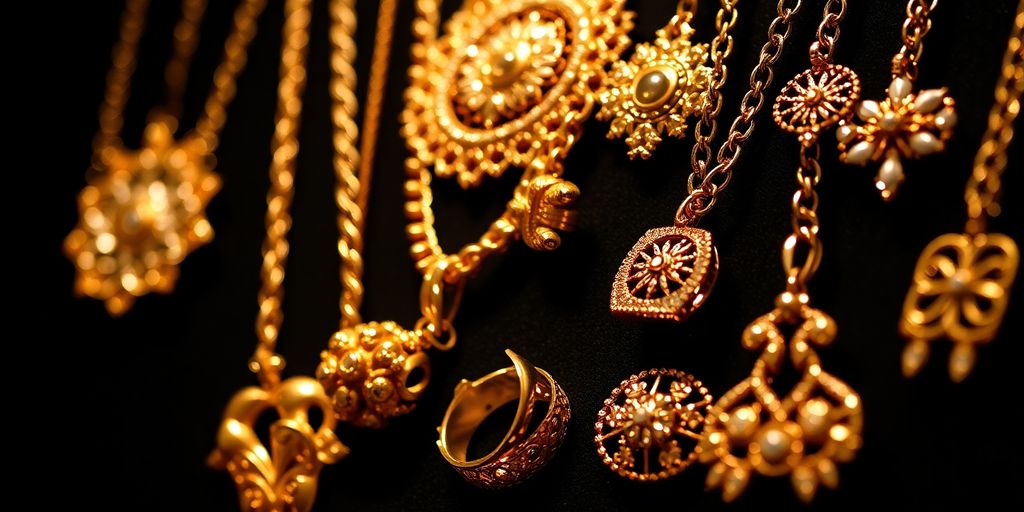
When we talk about gold jewelry, we're not just talking about the amount of precious metal. It's much more than that, in fact. Think of it as a wearable piece of art. There's a whole world behind the simple raw material.
Gold in jewelry: alloys and colors
Pure gold is 24 carats, super malleable, so not ideal for jewelry you wear every day. To make it last and to get those beautiful colors we love so much, we mix it with other metals. This is called alloying. For example, to get yellow gold, we mix pure gold with silver and copper. If we want rose gold, we increase the proportion of copper. And for white gold, we often use palladium or nickel.
Here is a brief overview of the most common alloys:
- 18 carat gold (750/1000) : This is the most popular in jewelry. It contains 75% pure gold and 25% other metals. It is a good balance between the richness of the color of gold and the strength of the jewelry.
- 14 carat gold (585/1000) : It contains 58,5% pure gold. It is a more durable alloy, often used for jewelry intended for intensive use.
- 9 carat gold (375/1000) : It contains 37,5% pure gold. Less expensive, it is more common in some countries, but its low gold content makes it less valuable.
The Importance of Designer Jewelry and Its History
A piece of jewelry from a major fashion house like Cartier, Van Cleef & Arpels, or Boucheron has undeniable added value. It's not just the weight of the gold that matters, but also the designer's reputation, the design, and sometimes even the story behind the piece. Think of iconic creations, like the Van Cleef & Arpels zip necklace or the Cartier 'Trinity' ring. These pieces are sought after by collectors and can fetch prices far above the metal's value alone.
The history of a piece of jewelry, its origin and provenance can significantly influence its valuation, especially if it is a rare piece or a creation from a renowned jeweler.
Vintage and antique jewelry: added value
Antique or vintage jewelry is a bit like fine wine; it improves with age. They often have a unique charm and a craftsmanship that is becoming rarer today. Styles like Art Deco, Art Nouveau, or even pieces from the 50s and 60s have their fans. Collectors are willing to pay a high price for rare, well-preserved pieces that tell a story. For example, an Art Deco piece from a major fashion house can sell for tens of thousands of euros at auction. It's truly a whole new dimension to a simple piece of jewelry.
Investing in physical gold: bars and coins
When we think of investing in gold, we often imagine bars or coins. This is a fairly straightforward approach to owning some of this precious metal. It's not complicated: you buy a bar, you hold it, and in theory, its value increases over time, especially when things are bad economically. It's a bit like having insurance for your money.
The characteristics of a certified gold bar
A real gold bar isn't just a piece of yellow metal. There are rules. For it to be recognized and retain its value, it must be certified. This means it has a very high purity, often 999,9 thousandths, which is written as 999,9‰. It must also have a unique serial number engraved on it and come with a certificate of authenticity. This certificate is proof that the bar comes from a recognized refiner, such as those approved by the LBMA (London Bullion Market Association). It's a bit like the bar's passport; it tells you where it comes from and that it is indeed pure gold.
Gold coins: an accessible investment
Gold coins are another way to invest, and they're often easier to get started with. Think Napoleons or Sovereigns. They're smaller than bars, so they're cheaper to buy. This allows you to buy gold little by little, without having to spend a large sum all at once. Plus, some coins have historical or numismatic value that can be added to that of the gold itself. It's a bit like buying a collectible coin that's also made of gold. It's good for those who want to start without breaking the bank, and it's easy to resell, too.
Quality and purity criteria
When you buy physical gold, whether in bars or coins, you have to pay attention to the quality. Purity is the most important thing. Pure gold is 24 carats, but in commerce, we often talk about 999,9‰, which is almost pure gold. Ingots are generally at this level of purity. Coins can be a little less pure, often around 900‰ or 920‰, because they are made to be more resistant to wear. You also have to look at the weight, of course. A 100-gram ingot will not have the same price as a 1-gram ingot, even if the price per gram can vary a little. And don't forget the hallmark, that little mark that guarantees that it's gold and what its purity is. It's super important to be sure of what you're buying.
Silver, a precious metal with varied uses
Silver: a monetary and industrial metal
Money, as you may know, has a very long history with humanity. It's been used for millennia, not just for decoration, but also for exchange, to store value. Think about ancient civilizations; they were already minting silver coins. It was the metal of the people, the one used in everyday commerce, unlike gold, which was often reserved for the elite or for ceremonies. It's quite fascinating to see how it has survived the ages, going from simple currency to an important investment asset.
But what's really interesting today is that silver isn't just a financial issue. It's become super important in many industrial sectors. You see, it's essential for manufacturing solar panels, for electronics, even in the medical field. This industrial demand is only increasing, especially with the energy transition. This gives a kind of double value to silver: it's both a safe haven for your savings and a strategic material for the future.
Money as a safe haven and asset diversification
When it comes to wealth diversification, silver can be an interesting option. It's much more affordable than gold, allowing you to invest in precious metals without having to invest a huge amount of capital. It's a bit like joining the precious metals investor club without breaking the bank. Plus, silver bars are fairly easy to resell. There are always buyers, whether they're professionals or other individuals. It's a product that's recognized everywhere, especially if it comes from certified smelters, such as those who adhere to LBMA standards. This gives you a certain level of security regarding quality and purity.
Physical silver, in the form of bullion, offers a tangible way to protect your capital. It's a tangible asset that can serve as a shield against inflation or periods of economic uncertainty. Think of it as wealth insurance.
Silver bars: a popular investment format
If you want to invest in physical silver, bullion is a fairly classic and popular format. They come in many different sizes, from the small 10-gram bar to the largest. This allows you to choose what best suits your budget and goals. Each bar is generally certified, with a unique number, which guarantees its traceability and compliance with international standards. This is important to be sure of what you're buying and to be able to easily resell it later. Basically, it's a concrete way to own a piece of this precious metal, with a value that is recognized worldwide.
Here are some common sizes of silver bars:
- 1 oz (31,10 g) ingot : An internationally recognized format, convenient for storage and resale.
- Ingot 10 g : Ideal for starting to invest, it is accessible and easy to manage.
- Ingot 250 g : A good compromise between accessibility and value, perfect for a medium-term savings strategy.
- Ingot 1 kg : For those who want to invest larger amounts, this is a format that optimizes costs per gram.
Precious stones: a key factor in the value of jewelry
When it comes to jewelry, gemstones are a bit like the cherry on top. They can transform a simple piece of jewelry into something truly special and, of course, influence its price. We immediately think of the classics: diamonds, rubies, sapphires, and emeralds. But there are also lesser-known but equally beautiful stones, such as spinels, aquamarines, and tourmalines. Each has its own color, brilliance, and story, making them unique.
The influence of stones on the price of a jewel
The value of a piece of jewelry is often directly linked to the stones it contains. A gold band may seem basic enough, but add a well-cut diamond, and its value skyrockets. It's the same with a necklace: a few well-chosen emeralds can transform it into a statement piece. The art of combining stones, such as a blue sapphire surrounded by small white diamonds, or a vivid ruby on yellow gold, adds an aesthetic dimension that drives up the price.
Gem Evaluation Criteria
When evaluating a gemstone, the famous "4Cs" are often used for diamonds: Carat (weight), Clarity (purity), Color, and Cut (size). But for other stones, it's much the same: the color must be intense and uniform, the cut must be perfect to maximize brilliance, and the stone must be as pure as possible. A well-cut stone will reflect light incredibly, and a quality stone, without inclusions visible to the naked eye, will be worth much more.
Here is a brief overview of the criteria for diamonds:
| Criterion | Description |
|---|---|
| Carat | Stone weight (1 carat = 0.2 grams) |
| Clarity | Presence or absence of internal/external inclusions |
| Color | Shade of stone (from white to yellow/brown) |
| Size | Quality of cutting and faceting |
The art of combining precious stones and metals
What's really interesting is the way stones and metals combine. A deep blue sapphire on white gold creates an elegant contrast. A vibrant red ruby on yellow gold creates a warmer, more classic look. The possibilities are endless, and each combination tells a different story. It's a bit like painting with precious materials. Each piece of jewelry becomes a unique work of art, where the stone and metal interact to create a singular beauty.
Selling your gold jewelry: strategies and tips
So, you've decided to part ways with some gold jewelry? It can seem a little daunting at first, but with the right information, you can ensure you get the most out of it. It's not just about handing it over to the first buyer who comes along; there are some tricks to really maximize the sale.
Preparing jewelry for appraisal
Before you even think about selling, a little cleaning of your jewelry can make a huge difference. No need for harsh chemicals; a soft cloth and a little soapy water are often enough to restore the shine. Also, remember to gather any documents that might accompany your pieces: certificates of authenticity, purchase invoices, or even previous appraisals if you have any. These elements add a layer of confidence and can positively influence the valuation. It's a bit like presenting a solid file; it shows that you know the value of what you're selling.
Choosing the right time and platform
The gold market is volatile. Monitoring prices can help you identify a more favorable time to sell. Sometimes, waiting a few weeks can make a significant difference in the final price. For the platform, several options are available to you. Auctions, whether physical or online, can be interesting, especially for rarer or branded pieces. Specialized jewelry stores or professional gold buyers are also avenues to explore. Each has its advantages: auctions can sometimes drive up prices thanks to competition, while professionals often offer a faster transaction. You should weigh the pros and cons depending on what you're looking for. Also consider looking at historical gold coins; they often have added value that goes beyond the simple weight of the metal, such as Napoleon 20 Francs Gold.
Understanding Sales Fees and Commissions
This is an often overlooked, but extremely important point: fees. Whether it's an auction house, a professional buyer, or an online platform, there will almost always be commissions or fees to pay. It's essential to fully understand their structure before committing. Request a detailed quote, compare proposals, and don't hesitate to negotiate if possible. Knowing exactly how much you'll receive after these fees will avoid unpleasant surprises and allow you to calculate your net profit more accurately. A good understanding of these financial aspects will allow you to optimize your net profit.
Want to sell your gold jewelry? It's a great way to make some extra cash! There are several ways to do it, and we've gathered the best tips to help you. Whether you have old chains, forgotten rings, or bracelets you no longer like, it's time to give them a new lease on life and fill your wallet. Find out how sell your gold jewelry easily and at the best price, check out our complete guide on our website!
So, separate market or not?
So, that's it. We've seen that gold isn't just for jewelry, far from it. It's used in industry, in medicine, and of course, it's still a way to invest your money. Jewelry, on the other hand, has a history, a brand, a stone that can change its value. It's a little different from just buying an ingot for its purity. So, yes, we can say that the jewelry market and the investment gold market aren't quite the same thing. Each has its own rules, its own attractions. But in the end, it all revolves around the same precious metal. It's quite fascinating, isn't it?
Frequently Asked Questions
Why is gold used to make jewelry?
Gold is used in jewelry for its beauty and rarity. It is often mixed with other metals, such as copper or silver, to make it stronger and to create different colors, such as yellow or rose gold. Gold jewelry therefore has a value that comes from both the metal itself and the craftsmanship of the artisan.
How is the price of gold decided?
Le gold price It changes all the time, much like the price of shares on the stock market. It is decided by special places around the world that look at how much gold people want to buy and how much there is for sale. Big cities like London are important in setting this price.
Are old gold jewelry worth more?
Yes, antique or vintage jewelry can be worth more than its weight in gold. That's because it has a story, a unique style, and sometimes a special craftsmanship that makes it special to collectors. Think of it like an old classic car: it's worth more than just the metal it's made of.
Why do some people buy gold bars or coins?
Investing in physical gold, such as bars or coins, is like buying a tangible asset. It's a way to keep your money safe, especially during unstable economies. Bars are often pure and have a certificate proving their quality. Coins can be easier to buy and sell.
How do gemstones influence the price of a piece of jewelry?
Precious stones like diamonds, rubies, or sapphires add a lot of value to a piece of jewelry. Their price depends on several factors: their size (weight), color, clarity (if there are any flaws), and how they are cut. A well-chosen and well-crafted stone will make the piece much more valuable.
What are the best tips for selling your gold jewelry?
To sell your gold jewelry, it's advisable to clean it thoroughly so it shines. You should also try to find the right time, perhaps when the price of gold is high. Consider where you can sell it: some specialty stores or websites may be good options. Make sure you understand the fees they will charge.
