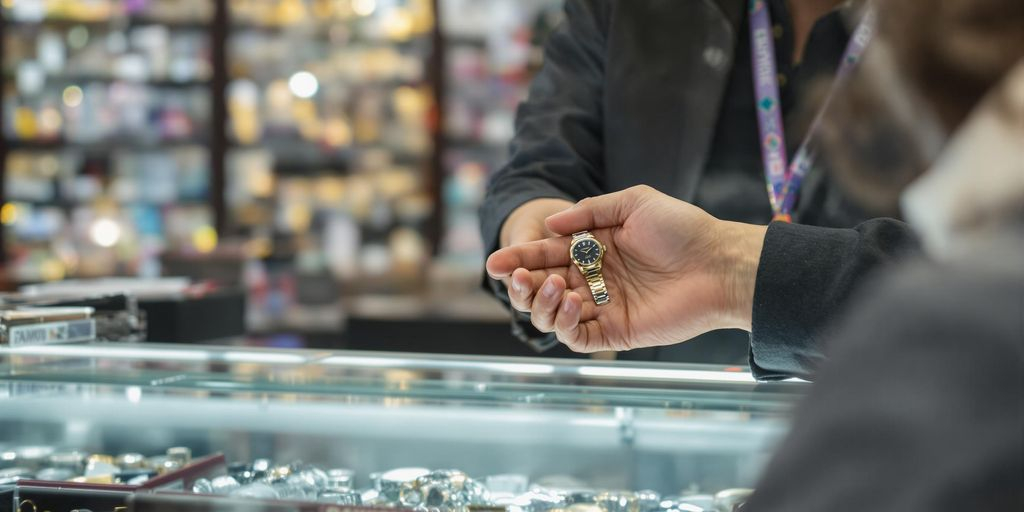
Pawning is a financial solution that allows you to quickly obtain funds using a valuable item as collateral. But a question often arises: does pawning affect my credit score? This article examines the implications of a pawn loan on your credit report and helps you understand how it works.
Key points
- Pawnbroking does not require a credit check, so there is no direct impact on your score.
- In the event of non-reimbursement, you will not be listed with the Banque de France.
- Valuables accepted include jewelry, artwork, and musical instruments.
- Interest rates for pawn loans can be higher than those for traditional bank loans.
- It is important to properly assess the value of the item before taking out a pawn loan.
Understanding Pawnbroking
Definition of pawnbroking
A pawn shop is a bit like a consignment shop, but with a loan attached. Basically, you deposit something of value as collateral, and in exchange, you receive money. If you repay the loan on time, you get your item back. If not, the lender can sell it to repay the loan. This is a quick way to raise funds, but you must understand the terms and conditions.
How pawnshops work
The process is quite simple. You bring a valuable item to a pawnbroker. They appraise the item and offer you a loan amount based on its estimated value. If you accept, you sign a contract and receive the money immediately. The lender keeps the item for the duration of the loan. Once the loan is repaid, you get your property back. If you don't repay, the lender sells the item to get their money back. It's a quick process, but it's important to understand the terms of the contract.
Types of objects accepted
Pawn shops accept a wide variety of items. Here are some common examples:
- Jewelry (gold, silver, precious stones)
- Luxury watches
- Musical instruments
- Works of art
- Electronic devices (computers, phones, tablets)
It's even possible to take out a loan secured by inherited gold, but this depends on the lender's terms and conditions and the law. Be sure to carefully assess the value of your item before committing to it.
The value of the item is determined by the lender, and it can vary from one institution to another. Therefore, it is advisable to have your item appraised by several lenders before making a decision.
Impact on credit score
Pawnbroker and Credit Check
Unlike traditional bank loans, pawnshop loans generally don't require a credit check. This is a major advantage if you have a credit history. interest rate imperfect or non-existent. Approval is based on the value of the item you are pawning, not your creditworthiness. This means that even with a bad credit score, you can get a pawn loan.
Consequences of non-reimbursement
If you default on your pawn loan, the lender keeps the pawned item. While this can be a significant financial loss, it won't directly affect your credit score. Pawn shops don't typically report defaults to credit reporting agencies. However, it's crucial to understand that you will permanently lose the item if you fail to meet the terms of the loan.
Comparison with traditional loans
Conventional loans, such as personal loans or credit cards, have a direct impact on your credit score. Late payments or defaults are reported to credit reporting agencies, which can negatively affect your score. Pawn loans, on the other hand, work differently. They are considered secured transactions, where the pawned item serves as collateral. Therefore, non-repayment results in the loss of the item but does not affect your credit history.
It's important to note that while pawn loans don't directly affect your credit score, poor financial management can negatively impact your overall financial situation. Therefore, it's essential to use pawn loans responsibly and ensure you can repay the loan within the agreed timeframe.
Refund conditions
Refund time
The repayment period for a pawn loan is usually short, often a few weeks to a few months. It's a bit like borrowing from a friend, but with a valuable item as collateral. This deadline is crucial because it determines the period during which you must raise the funds to recover your property. If you exceed this deadline, you risk losing the pledged item. It is therefore important to carefully assess your ability to repay on time.
Interest rates applied
Interest rates on pawnshop loans are often higher than those on traditional bank loans. This is because pawnshop loans are considered high-risk loans for the lender, as they don't require a credit check and are secured against an item. Rates can vary considerably from one lender to another, so it's essential to shop around.
Fees associated with the loan
In addition to interest, additional fees may apply to a pawn loan. These fees may include application fees, appraisal fees, and storage fees. It's important to understand all the fees associated with the loan before committing. Here are some examples of fees you may encounter:
- Cost of appraisal of the object
- Storage and insurance costs
- Loan renewal fees (if you cannot repay on time)
It's important to note that some lenders may be more transparent about fees than others. Don't hesitate to ask questions and request a detailed breakdown of all costs before signing a contract. This will help you avoid unpleasant surprises and allow you to make an informed decision. It's also important to understand the interest rates charged to avoid unexpected fees.
Advantages of Pawning
Pawnbroking, often perceived as a last resort, actually offers several interesting advantages, especially if you need money quickly. It's an option to consider if you own valuables and are looking for an alternative to traditional bank loans.
Quick access to funds
One of the main advantages of pawnbroking is its speed. Forget the lengthy administrative procedures of banks! With a pawn loan, you can get funds within hours. You bring your item, it's appraised, and if you're happy with the offer, you take the money home. It's simple and efficient, especially in an emergency. This is a significant advantage if you need a quick financing solution.
No impact on credit report
Unlike traditional loans, pawn loans do not affect your credit scoreSince it's secured by something of value, there's no credit check. This means you can still get a loan even if you have a bad credit history. This is a huge benefit for those who struggle to get a loan from traditional financial institutions. It's a breath of fresh air for those with a complicated credit history.
No credit check
No need to prove your income or provide tons of documents. The lender bases its decision solely on the value of the item you're pawning. This is a huge advantage for people who don't have a steady income or can't easily prove their solvency. It's also a considerable time saver, as you avoid all the usual administrative formalities. Municipal Credit Unions are the main players in this field.
Pawning can be a convenient way to get quick access to funds without impacting your credit. However, it's important to understand the terms of the loan and assess the risks before committing. Make sure you can repay the loan on time to avoid losing your valuables.
Risks associated with pawnbroking

Pawnshop loans may seem like a quick way to get cash, but it's important to understand the risks before committing. They're not always the best option, and poor management can lead to problems.
Loss of the pledged item
This is the main risk. If you don't repay the loan on time, the lender can sell your item to get their money back. This is why it is crucial to assess your ability to repay before committing.
Here are some points to consider:
- Are you sure you can repay the loan on time?
- Are you willing to lose the item if you can't refund?
- Do you have any other options for getting money?
Financial consequences
If you don't repay the loan, not only will you lose your item, but you could also face financial hardship. Pawn loan interest rates can be high, and if you have to borrow again to repay the original loan, it can make repayment even more difficult. It's important to think carefully and do your research before committing. It's important to note that refund conditions of a pawnbroker are quite strict.
It's essential to consider pawnbroking as a last resort. Before committing, carefully assess the risks and make sure you have a clear repayment strategy. Don't hesitate to compare offers from different establishments to get the best possible terms.
Alternatives to pawnbroking
Before committing to a pawn shop, it's important to explore other options. Here are some alternatives:
- Selling valuables: You can sell items you no longer use to get quick cash. For example, you can opt for a consignment sale. Entrust your items to a professional who will sell them for you, for a commission.
- Borrowing from relatives: If you have friends or family who can lend you money, this may be a less expensive option than a pawnbroker.
- Negotiate with your creditors: If you are having difficulty paying your bills, you can try negotiating a payment plan with your creditors.
Tips for a successful pawnshop
Evaluate the value of the object
Before you start pawning, the first thing to do is understand what your item is actually worth. Don't just rely on the lender's estimate. Do your own research! Look at the selling prices of similar items on sites like eBay or Le Bon Coin. This will give you a better idea of its market value. If it's jewelry, find out about the Gold prices current. The more informed you are, the better you will be able to negotiate.
Choosing the Right Lender
Not all pawnshops are created equal. Some are more honest and transparent than others. Take the time to compare offers from several establishments. Look at interest rates, application fees, repayment terms, etc. Don't hesitate to read online reviews to get an idea of the lender's reputation. A good lender will be clear about their terms and will answer all your questions without hesitation.
Prepare the necessary documents
To obtain a pawn loan, you will need to provide certain documents. Typically, you will be asked for identification (ID card, passport, etc.) and proof of address (utility bill, rent receipt, etc.). If you are pawning a valuable item, such as jewelry or a watch, also bring all the documents that prove its provenance and authenticity (purchase invoice, guarantee certificate, etc.). The more documents you have, the faster the process will be and the more likely you are to obtain a favorable loan.
Pawning can be a quick way to raise money, but it's important to be well prepared. Carefully assess the value of your item, choose a reputable lender, and prepare all necessary documents. By following these tips, you'll maximize your chances of successfully obtaining a pawn loan and avoid unpleasant surprises.
Here are some important points to remember:
- Do not rush : Take the time to compare offers and fully understand the loan conditions.
- Negotiate: Don't hesitate to negotiate interest rates and application fees.
- Be realistic: Make sure you can repay the loan within the allotted time to avoid losing your item.
Frequently Asked Questions About Pawning

Is pawnbroking risk-free?
No, pawnbroking is not without risk. The main risk is the loss of the pledged item if you fail to repay the loan within the agreed timeframe. It's a bit like renting money with an item as collateral. If you don't pay, you lose the item. It's as simple as that.
Can I renew my loan?
Yes, in most cases, it's possible to renew your pawn loan. However, this usually involves paying the interest and fees accrued up to the renewal date. It's like resetting the clock, but it costs money. Here are some things to consider:
- Renewal terms vary from lender to lender.
- Renewal may incur additional fees.
- If you renew too often, it can become expensive in the long run.
It's important to understand the renewal terms before making a decision. Sometimes it's better to try to find another solution to repay the initial loan rather than going into further debt.
What items are most popular?
The most popular pawnshop items vary depending on demand and market trends. Typically, gold jewelry, luxury watches, valuable musical instruments, and newer electronics are highly sought after. It's a bit like the secondhand market, but with a guarantee. If you have financial needs, a pawn loan can be a solution. Here is a non-exhaustive list:
- Jewelry (gold, silver, platinum)
- Branded watches
- Musical instruments (guitars, violins)
- Electronic devices (smartphones, laptops)
- Art and collectibles
Do you have questions about pawnbroking? Look no further! Visit our website to discover simple and clear answers. We're here to help you better understand this service and make the right decisions. Don't wait any longer, click here to learn more!
Conclusion
In short, pawnshop loans don't impact your credit score. It's a good option if you need money quickly without it affecting your credit history. Of course, you have to be careful and make sure you can repay the loan to avoid losing the pawned item. Remember to carefully assess your financial situation before committing. Ultimately, pawnshop loans can be a convenient solution, but they should be used wisely.
Frequently Asked Questions
Does pawnbroking affect my credit score?
No, pawnbroking does not impact your credit score. If you don't repay, it won't be recorded in your bank report.
What items can I pawn?
You can pawn valuable items such as jewelry, watches, or works of art.
Can I renew my pawn loan?
Yes, it is often possible to renew the loan while paying the interest.
What are the fees associated with a pawn loan?
There is interest to be paid and sometimes custody fees for the pledged item.
Is pawnbroking risk-free?
Yes, there is no risk of debt because only the pledged item is affected in the event of non-repayment.
How does the pawnshop process work?
The process is fast, you can get your loan in less than an hour after dropping off your item.