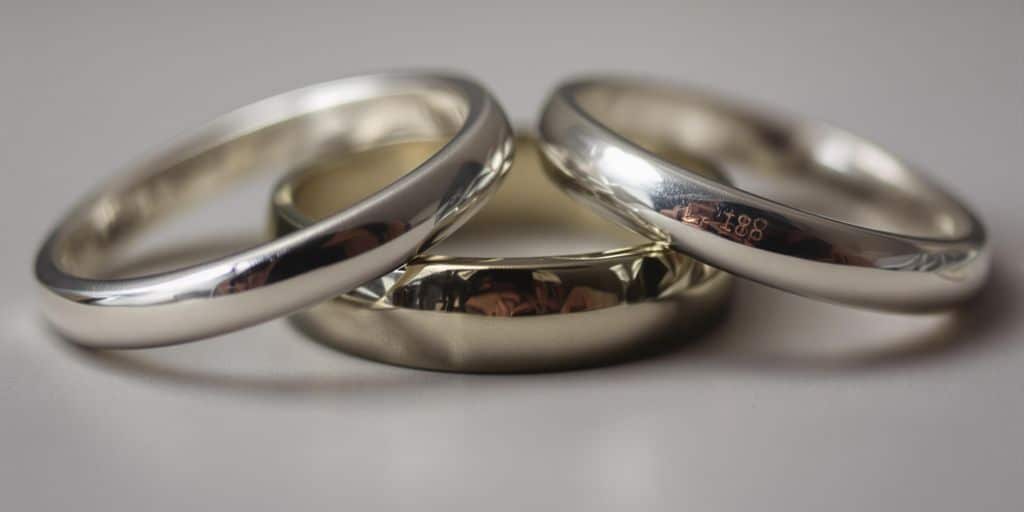
Wondering what the difference is between 925 silver, 900 silver, and 999 silver? This is a question many people ask themselves when they want to buy jewelry or invest in this precious metal. In fact, these numbers indicate the purity of silver, and each has its own uses and characteristics. So, to gain more clarity and make the right choice, let's break it all down together.
Key Takeaways
- 925 silver, also called sterling silver, is the most common alloy for jewelry because it is stronger than pure silver.
- 900 silver has a history, particularly in coins, and may be of interest to collectors.
- 999 silver is the purest, ideal for investment in the form of modern ingots or coins, as it is recognized worldwide.
- The choice depends on your objective: jewelry for 925, collection for 900, investment for 999.
- Beware of taxation: unlike gold, silver is often subject to VAT, except for certain specific coins.
Understanding the different silver titles
When we talk about silver, we often hear numbers like 925, 900, or 999. But what do they actually mean? These numbers actually indicate the purity of the silver—that is, the proportion of pure silver in an alloy. It's a bit like gold, where we talk about carats. Understanding these grades is the first step in knowing what type of silver you have in your hands or what type to buy.
925 silver: sterling silver
925 silver, also known as sterling silver, is the most common silver used in jewelry and everyday items. It is composed of 92,5% pure silver and 7,5% other metals, most often copper. This mixture makes the silver stronger and easier to work with than pure silver, which is very soft. That's why it's found in everything from earrings to cutlery.
900 silver: a historic title
900 silver, which contains 90% pure silver and 10% other metals, has a long history, particularly in numismatics. It is often found in ancient coins. Its composition gives it a certain durability while retaining much of the value of pure silver. It is a grade of silver with historical and collectible value.
999 Silver: Purity for Investment
999 silver is the pinnacle of purity. It is composed of 99,9% pure silver, with only a tiny amount of other elements. Due to its high purity, it is often favored for investment, in the form of bars or bullion coins. However, its high malleability makes it less suitable for making jewelry that must withstand daily wear and tear. It also requires more careful maintenance to maintain its shine.
The characteristics of 925 silver
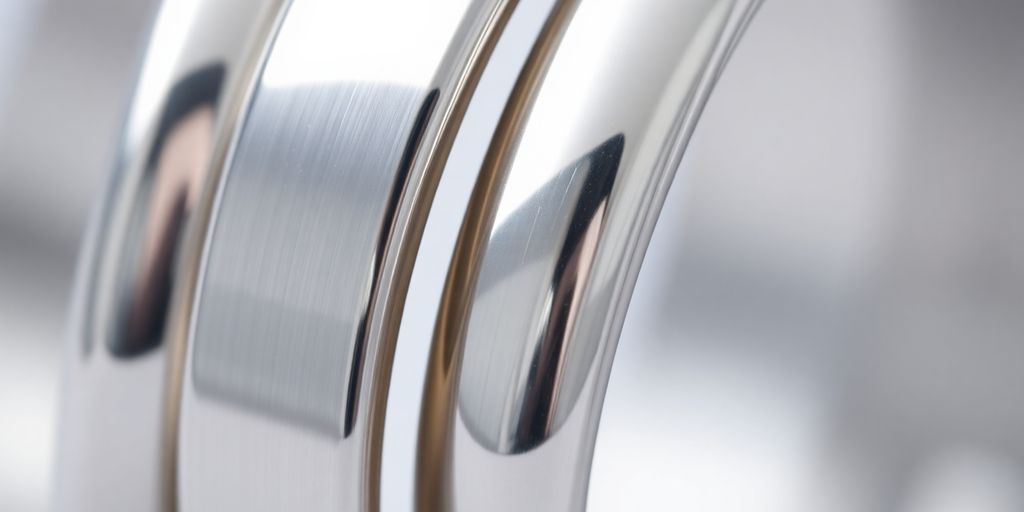
925 silver, often referred to as sterling silver, is a tried-and-true alloy. It's made of 92,5% pure silver, with the remainder usually being copper. That tiny bit of copper, though minimal, makes all the difference. It makes the silver harder and more durable than 99,9% pure silver. You know, pure silver looks great, but it's so soft that it warps and scratches just by looking at it. That's why 925 silver is perfect for everyday jewelry, like rings, bracelets, or necklaces. It retains the shine of silver while being strong enough to withstand the small bumps of everyday life.
Basically, here's what you need to know about 925 silver:
- Composition : 92,5% pure silver and 7,5% other metals (often copper).
- Advantage: More resistant to scratches and warping than pure silver, making it ideal for jewelry and silverware.
- Usage : It is the standard for the manufacture of costume and high-end jewelry, as well as for cutlery and decorative objects.
Sterling silver is an excellent compromise between the beauty of pure silver and the durability needed for regular use. This is why it is so popular in the jewelry world.
When it comes to investing, 925 silver has its intrinsic value, which follows the price of silver. But be careful, its value can also depend on the brand and design, especially for jewelry. Its liquidity is quite good, as there are always people buying 925 silver jewelry, whether at jewelers or antique shops. However, you should know that the margin between the price of the silver content and the selling price can be greater than for 999 silver. You should also think about taxation. In France, 925 silver is often considered movable property. This means that when resold, it may be subject to a precious metals tax, unless you choose the capital gains tax regime. It is therefore always a good idea to keep the purchase invoices to be able to justify the original price if you ever decide to resell it. It's a bit like for 1 oz silver bars, you have to understand the rules well.
900 silver: a numismatic heritage
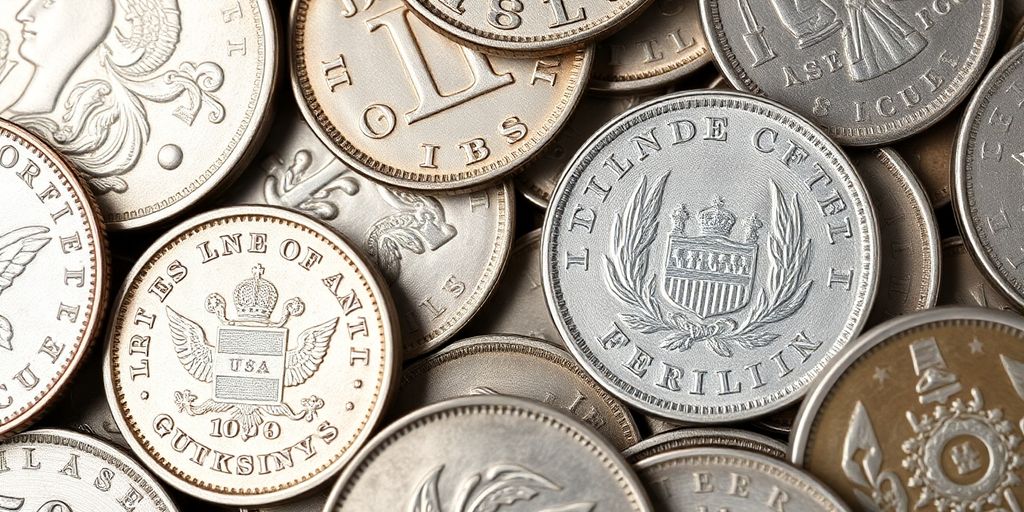
900 silver is a bit like the grandfather of modern silver in the world of numismatics. It has a long history, especially in coins. It is found in many old coins, which gives it a special cachet.
The composition of 900 silver
Simply put, 900 silver is 90% pure silver and 10% other metals, often copper. This mix makes it slightly stronger than 999 silver, but less so than 925 silver. It's a good compromise that has long been used to make coins.
900 silver in coins
Many ancient coins, whether French or foreign, are made of 900 silver. Think of old francs, American silver dollars, or even certain Latin American coins. These coins not only have intrinsic value linked to their silver weight, but also historical and collectible value. This is what makes them so interesting for numismatic enthusiasts. silver coins have truly played a central role in trade across the world.
The collectible value of 900 silver
Sterling silver can have a dual value: that of the metal itself and that of its rarity or state of preservation. If you come across a rare, well-preserved coin, it can be worth much more than just its weight in silver. This is where numismatics comes in. You have to do your research on the market to determine if a coin has interesting collectible potential. Sometimes, a coin can be worth much more than the simple price of silver.
Investing in sterling silver is a bit like collecting stamps or old postcards. Each piece has its own story, its own era, and can be of interest to enthusiasts. It's a market that requires patience and a keen eye to spot the right deals.
999 silver: the quintessence of purity
999 silver, often referred to as fine silver, represents the pinnacle of purity in the world of silver. It is composed of 99,9% pure silver, making it the preferred choice for those looking to invest in the metal itself, leveraging its maximum intrinsic value. Unlike alloys like 925 or 900 silver, 999 silver contains very little other metals. This lack of impurities makes it more malleable, which can be a disadvantage when making jewelry that requires a certain level of durability for everyday use. However, for investment purposes, this purity is a definite advantage.
Bullion bars and investment coins
999 silver is primarily found in investment forms, such as bars and coins. Bars come in a variety of sizes, ranging from a few grams to several kilograms, offering flexibility for all investment budgets. Bullion coins, often minted by reputable mints, are also a popular way to acquire fine silver. These coins are typically certified and guarantee the weight and purity of the precious metal they contain, such as 1 oz silver bars.
Sensitivity and maintenance of 999 silver
Due to its high purity, 999 silver is more susceptible to oxidation and tarnishing than less pure alloys. It reacts more easily to certain elements present in the air or on the skin, which can cause it to darken over time. To maintain its shine, it is recommended to store it in a dry place, away from light and humidity, ideally in an airtight bag or its original box. Gentle cleaning with a silver-specific cloth may be enough to restore its shine. Harsh chemicals should be avoided, as they could damage its surface. Here are some tips for its care:
- Storage: Store it in an airtight bag or lined jewelry box to protect it from air.
- Cleaning : Use a soft, dry cloth, specially designed for silver, to gently polish it.
- To avoid : Do not use abrasive or chemical products, as they can alter the surface of fine silver.
Choosing the right money for your goals
Choosing the right type of silver really depends on what you're looking to do with it. If you're more of a practical everyday type, like jewelry that won't let you down, sterling silver is generally the best choice. It's durable enough to be worn often without too much hassle, and it has that shiny quality we love. It's kind of the workhorse of jewelry, really.
Now, if you have a penchant for history or enjoy collecting things with soul, 900 silver might interest you. It's often found in old coins, and these coins can have a value that goes far beyond that of the metal itself, especially if they're rare or in good condition. It's a bit like owning a little piece of the past.
And then there's 999 silver, the crème de la crème in terms of purity. If your primary goal is investing, turning your money into a tangible store of value, 999 is the way to go. Think of modern bullion bars or coins; they're globally recognized, and their value is directly linked to the amount of pure silver they contain. It's the most straightforward option for capitalizing on the metal's intrinsic value. Just be careful, as very pure silver is softer and can scratch more easily, so handle with care.
In short, for jewelry and everyday wear, it's 925. For collecting and history, it's 900. And for pure investment, 999 is king. Consider what matters most to you: durability, historical appeal, or maximum purity for your heritage.
The tax implications of owning money
Addressing the taxation of money can seem a little daunting, but it's a necessary step to fully understand the implications of your investments or possessions. In France, there's an important distinction to make between money considered classic movable property and money classified as investment money.
Distinction between gold and silver for VAT
Unlike gold, which benefits from a specific VAT regime when considered investment gold (often exempt), silver, even in the form of bars or coins, is generally subject to VAT. This means that when purchased, the price includes this tax, which can impact the initial cost. However, when reselling, the tax treatment may vary.
The specifics of investment money
For a silver product to be considered investment silver and potentially benefit from a more favorable tax regime upon resale, it must meet certain criteria. These are generally products with a minimum purity of 999 thousandths (fine silver), in the form of coins or ingots. These criteria are essential because they determine the tax regime applicable during the transfer. If your money does not meet these conditions, it will be treated as regular personal property.
Specific taxation
When reselling silver, two main tax regimes are available to you in France: the precious metals tax or the capital gains tax on movable property. The first, often applied by professionals, is a flat-rate tax. The second, which can be more advantageous if you have proof of purchase, consists of declaring the difference between the sale price and the purchase price. To do this, it is essential to keep all invoices and proof of payment, such as cash payments for silver bars and coinsIt is always advisable to consult a professional to choose the plan best suited to your situation.
It is crucial to keep purchase invoices to justify the purchase price in the event of a resale. This can make a significant difference in the amount of tax payable.
Owning money, such as gold or coins, can have tax implications. It's important to understand how this works to avoid unpleasant surprises. Knowing how to declare your assets can help you manage your money more confidently. To learn more about tax rules and how they apply to your investments, see our website.
So, how to find your way?
So, we've covered the different silver grades: 925, 900, and 999. To put it simply, if you're looking for jewelry that holds up and looks good, 925 is your man. For antique pieces, 900 can have a nice collector's side, but you have to look at the condition carefully. And if you want to invest in the metal itself, 999 is the purest, and therefore the most direct way to track the silver price. Remember that each grade has its use and value. The most important thing is to know what you're buying and why. As with everything, do your research beforehand to avoid unpleasant surprises!
Frequently Asked Questions
What is the difference between 925, 900 and 999 silver?
The main difference is the amount of pure silver. 999 silver is almost entirely pure, making it perfect for those looking to invest. 925 silver has 92,5% silver and is great for making jewelry because it's more durable. 900 silver, which has 90% silver, is often found in older coins.
Is 999 silver the best for investing?
Yes, 999 silver is the best for investing. Its high purity makes it easy to sell anywhere, and its price directly follows the market price of silver. It's a bit like pure gold, but made of silver.
Why choose 925 silver for jewelry?
Sterling silver is great for jewelry and everyday items because it's more durable than pure silver. It's less expensive than sterling silver and easier to find. It's a good compromise between the beauty of silver and its strength.
Why is 900 silver often associated with coins?
900 silver was often used to make ancient coins. It is quite durable, which was convenient for circulation. Today, it is mostly found in antique coin collections. Its value can increase if the coin is rare or in good condition.
When should you choose 999 silver?
999 silver is ideal for investment because its high purity makes it easy to trade worldwide. Its price is directly linked to the global silver price. It is the preferred choice for modern bullion bars or investment coins.
How does VAT apply to silver versus gold?
In France, silver is not taxed in the same way as gold. VAT often applies to silver, except for certain specific pieces that are considered investments. It's always a good idea to check the current tax rules before buying or selling.