Do you have gold jewelry, antique coins, or even gold bars lying dormant in a safe? Knowing how to sell them for the best price is an important step. This article, 'Tips for Selling Your Gold (Complete Guide)', will guide you so you can easily and securely convert your gold into cash. We'll explore together how to properly assess your precious metal and where to find the best offers.
Key Takeaways
- Understanding the value of your gold is the first step. Look at its purity (in carats or thousandths) and follow current market prices to get an idea of its value.
- To sell safely, choose recognized, accredited professionals with a good reputation. Compare several offers before making a decision.
- Prepare your belongings for sale by sorting them and gathering any supporting documents. Also, find out about the taxes applicable to your transaction.
Understanding the value of your gold
Selling your gold is not simply a matter of going to the first buyer who comes along. Before deciding where and to whom to sell it, it is essential to fully understand what truly influences its value. This will help you avoid unpleasant surprises and get a fair price. Here's what to look at closely.
Gold evaluation criteria
Several factors are taken into account when estimating the value of your gold:
- Purity (or title) Expressed in carats (9, 14, 18, 22, 24). The higher the number, the more pure gold your gold contains. For example, 18-carat gold is 75% pure gold.
- The weight The quantity of gold you sell, measured precisely by a certified scale.
- The condition and nature of the object Damaged jewelry, vintage, rare piece or ingot: a designer piece of jewelry or a collector's item can be worth more than a simple melted object.
- The presence of punches They indicate the gold content and sometimes the era or the manufacturer, which can affect the value of collectibles.
Here is a simple table to help you find your way around:
| Carat | Percentage of pure gold | Typical hallmark |
|---|---|---|
| 24 carats | 99,9% | 999 |
| 22 carats | 91,7% | 916 |
| 18 carats | 75% | 750 |
| 14 carats | 58,5% | 585 |
| 9 carats | 37,5% | 375 |
Before selling, take the time to sort through your items. Some old, "worn" necklaces or rings kept at the bottom of a drawer can sometimes hold pleasant surprises, especially if they are signed or date from a sought-after period.
Follow gold prices
The gold market never sleeps. Its price fluctuates daily based on supply, demand, the global economy, and the decisions of major central banks. To sell at the best price, you must keep a close eye on these fluctuations.
Here are some practical tips for following the stock market quote:
- Consult the official prices published daily (for example, the London "Fixing" or the quotes published on the Bank of France website).
- Always compare offers from several buyers: some base their prices on the current price, others take a larger margin.
- Take into account any potential fees (commission, appraisal). These small details can eat into your final profit if you're not careful.
Keep in mind that the price of gold is not fixed, and sometimes waiting a few weeks or a few days can affect the amount you will receive when selling.
Where to sell your gold safely
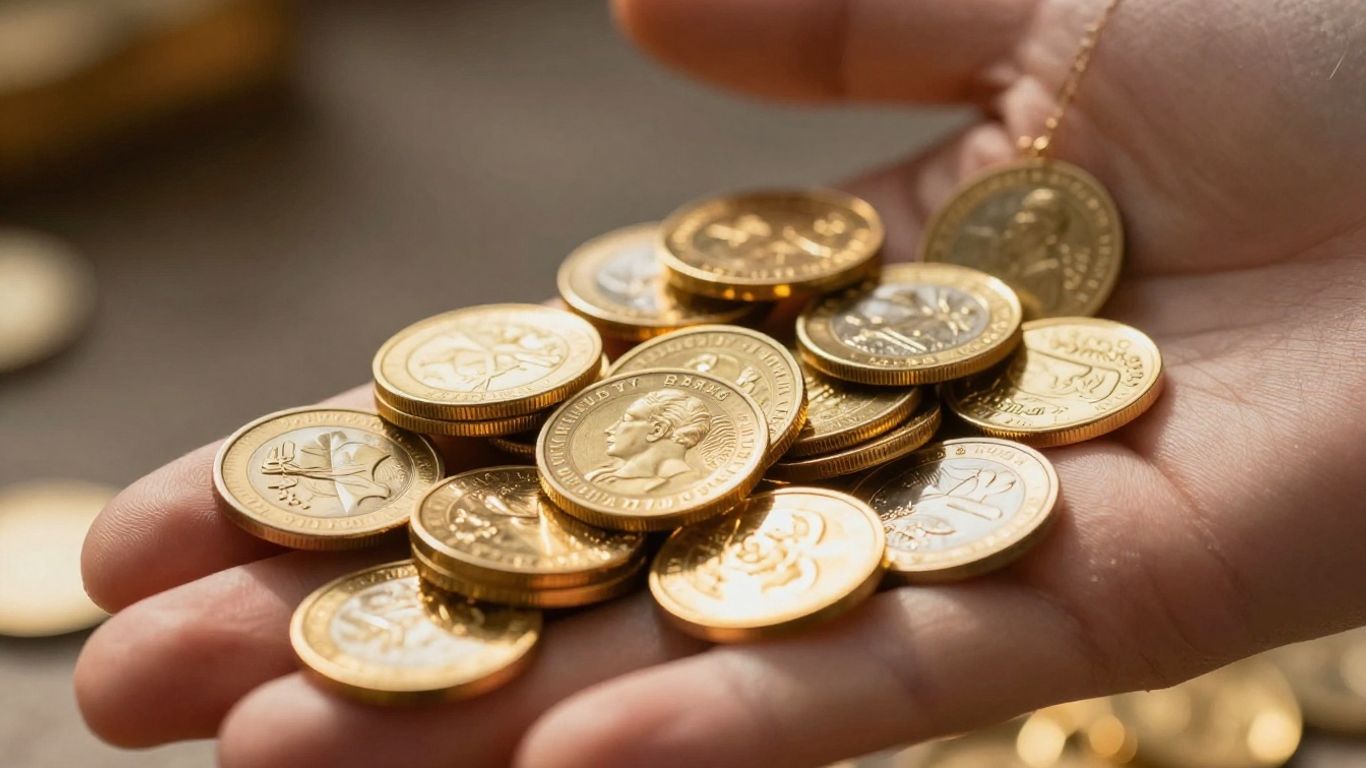
So, you've decided to sell your gold. That's an excellent idea, especially if you're looking to convert this precious metal into cash. But the big question is: where should you go to be sure of getting a good deal and not getting ripped off? There are several options, and you should carefully examine them to choose the one that suits you best.
Choose a licensed professional
When people talk about selling gold, they often think of specialized shops. It's a fairly popular option, especially in large cities. The main advantage is that these places are generally licensed, meaning they adhere to strict regulations. They may even be affiliated with organizations like the Bank of France, which adds an extra layer of security. You often benefit from a free appraisal of your jewelry or coins. They are supposed to offer you a fair price, based on the current gold market price. It's a bit like going to a trusted jeweler, but one who specializes in buying gold.
Here are a few points to check before you begin:
- Accreditation and reputation: Make sure the professional is properly registered and has good feedback from other clients.
- Price transparency: Ask how the price is calculated and if there are any hidden fees.
- Payment : Check how the payment will be made. In France, cash payments are limited, so expect a bank transfer or a check.
- Expertise: A free, no-obligation assessment is a good sign.
Selling on a specialized platform
With the internet, selling your gold has become simpler, in a way. There are online platforms dedicated to buying precious metals. The idea is that you can often get an initial estimate without leaving home. You send your gold (often using a secure and insured shipping system), they appraise it, and make you an offer. If you accept it, you get paid. It's convenient, especially if you don't have a shop nearby or if you prefer to handle it from your couch.
What you need to know about these platforms:
- Shipping security: Find out more about the shipping method offered. Is it insured? How secure is it?
- Comparison of offers: The advantage of the web is that you can easily compare several platforms. Don't hesitate to request quotes from multiple providers.
- Customers' opinion : See what other users are saying. Reviews can give you a good idea of the site's reliability.
- Terms and conditions : Read the terms and conditions carefully, especially regarding payment deadlines and any applicable fees.
It's always wiser to have your gold appraised by several professionals, whether in a shop or online. This allows you to compare offers and ensure you're getting the best possible price for your metal. Don't rush into accepting the first offer that comes along, even if it seems tempting at first glance.
In short, whether you choose a physical store or an online platform, the key is to stay informed, compare prices, and prioritize transparency. Your gold has value, and you deserve to receive it with complete confidence.
Optimize your gold sale transaction
When the time comes to sell your gold, taking a few minutes to properly prepare the transaction can result in a significant profit. You obviously want to get the most for your gold and avoid the common pitfalls of a poorly organized sale. Here's how to proceed.
Prepare your property for sale
Gold that is ready to be sold inspires confidence and simplifies the process. First and foremost, gather all the evidence that can prove the legitimacy of your assets:
- Look for certificates of authenticity and purchase invoices if you have them.
- Group your jewelry by category (18 carats, 24 carats, coins, ingots…).
- Clean your items gently, but avoid abrasive solutions. A clean presentation, without any attempt at camouflage or alteration, will reassure the buyer.
- Take dated photos of each item and, if possible, weigh them yourself to get a first idea of their value.
- Check for hallmarks, especially on jewelry.
A little reminder to keep in mind:
Carefully preparing each batch before contacting a professional gives you the advantage — you're talking about values, not just sentimentality.
Understanding gold taxation
Selling gold isn't exactly like selling a bicycle on a second-hand website. You're likely to be taxed depending on the type of asset and how you acquired it. There are two main tax regimes:
| Tax system | Approximate rate | Main conditions |
|---|---|---|
| Precious Metals Tax (PMT) | 11,5% of the sale price | For items without proof of origin or for investment gold held for less than 22 years |
| Capital gains tax (CGT) | 36,2% on capital gains (decreasing from the 3rd year, exemption after 22 years) | Proof of purchase and ownership is required (invoice, notarized deed, etc.) |
Some tips to optimize the tax impact:
- Keep all original supporting documents carefully (invoices, certificates, purchase contracts).
- Before selling, find out which tax regime is most advantageous for your situation.
- For collectibles and antique jewelry, seek the advice of an expert: some items benefit from exemptions or special rules.
In short, careful preparation and a quick check of the regulations can clearly make a difference to the amount you actually pocket. Leave nothing to chance—it's better to be overprepared than underprepared when it comes to gold.
To sell your gold, it's important to prepare properly. Knowing how it works and the right steps to take will help you get the best price. best priceDon't worry, it's simpler than you think! Visit our website to discover all our tips and tricks to successfully sell your gold without any hassle.
To conclude: your gold, a safe bet
There you have it, now you know how to sell your gold, whether it's jewelry, coins, or bars. Remember to research the current market price, compare offers, and choose a trustworthy professional. This is the best way to ensure you get a good price for what you're selling. Gold is a timeless asset, and selling it properly guarantees a good deal. If you still have questions, don't hesitate to contact experts; they're there to help.
Frequently Asked Questions
How do I know the true value of my gold before selling it?
To find out how much your gold is worth, you need to look at its purity (expressed in carats) and its weight. The easiest way is to check the current gold price online, as the price changes constantly. You can also get appraisals from several professionals to compare.
Can I sell my gold even if it is damaged or incomplete?
Yes, absolutely! Whether your jewelry is broken, mismatched, or even slightly damaged, it doesn't change the value of the gold it contains. Experts will primarily look at the quantity and purity of the gold to give you a price.
What happens if I sell my gold jewelry?
When you sell your gold jewelry, it can be melted down for recycling and made into new items. If it's very beautiful or rare, it could also be resold as is on the secondhand market.