Silver is a precious metal that has fascinated people for centuries, but there are different grades of silver, including 999 silver and 925 silver. Each has its own characteristics, uses, and benefits. This article aims to shed light on what these numbers mean and why they are important to consumers, whether they are jewelry buyers or investors.
Key points
- 999 silver is considered 99,9% pure silver, often used for investment.
- 925 silver, or sterling silver, is an alloy of 92,5% pure silver and 7,5% other metals, making it more durable.
- The main difference between 999 and 925 silver lies in their composition and strength.
- Hallmarks are essential for identifying the quality of silver, with each type having its own symbol.
- The purity of silver affects its value, appearance, and care in jewelry.
Understanding 999 silver and its characteristics
Definition of 999 silver
999 silver, often referred to as fine silver, represents the purest form of silver available on the market. It is made of 99,9% silver, with only 0,1% other elements. This high purity gives it unique properties, but also certain limitations.
Common Uses of 999 Silver
Due to its high malleability, 999 silver is mainly used for:
- Investment bullion: This is a popular way to hold physical silver.
- Collectible coins: Its purity makes it a material of choice for commemorative coins.
- Some electronic components: Silver is an excellent conductor of electricity.
999 sterling silver is rarely used in everyday jewelry due to its softness. It scratches and warps easily, making it less suitable for frequently worn jewelry. However, it can be found in delicate creations or display pieces.
Advantages of 999 silver
999 silver offers several advantages:
- Maximum Purity: Ideal for investors and collectors seeking the purest form of silver. It is important to control purity money.
- High intrinsic value: Due to its rarity and purity, it retains significant value.
- Excellent conductor: Its conductive properties make it useful in certain industrial applications.
However, it is crucial to note that its softness requires delicate handling and care to preserve its appearance and value. It is important to choose your fine silver.
925 silver: a popular alloy
Composition of 925 silver
925 silver, often referred to as sterling silver, is an alloy composed of 92,5% pure silver and 7,5% of another metal, usually copper. This combination is essential to increase the hardness and durability of silver, because pure silver is naturally very malleable and therefore easily deformed. The addition of copper creates a stronger material, suitable for making jewelry and art objects.
Applications of 925 silver
925 silver is widely used in various fields, including:
- Jewelry: rings, necklaces, bracelets, earrings, etc.
- Goldsmithing: cutlery, dishes, decorative objects.
- The manufacture of musical instruments: flutes, saxophones (certain parts).
- The creation of art and collectible objects.
Sterling silver is prized for its brilliance, malleability, and corrosion resistance, making it an ideal choice for a wide variety of applications. Its popularity is also due to its relatively affordable cost compared to pure silver.
Why choose 925 silver?
Choosing 925 silver has several advantages:
- Increased durability : The addition of copper makes silver more resistant to scratches and deformation.
- Attractive aesthetics : 925 silver retains a beautiful shine and a luxurious appearance.
- versatility : It can be used to create a wide variety of designs, from simple to complex.
- Value for money : 925 silver offers a good balance between quality, durability and cost.
Additionally, it's important to note that 925 silver is often hallmarked with the "925" mark to attest to its composition. If you're considering investing, make sure you have a certificate of authenticity for your ingots.
Differences between 999 and 925 silver
Comparison of purity
999 silver, often referred to as fine silver, is 99,9% pure silver. It's almost pure silver! 925 silver, also known as sterling silver, is an alloy containing 92,5% silver and 7,5% other metals, usually copper. This difference in composition directly affects the properties and uses of each type of silver.
Impact on sustainability
999 silver, due to its high purity, is naturally very malleable and softer. This makes it more susceptible to scratching or warping. That's why it's rarely seen in everyday jewelry. 925 silver, with the addition of other metals, gains strength and durability. It's more resistant to scratches and warping, making it ideal for everyday jewelry. It's a bit like comparing soft candy to hard candy: one is pure, the other is stronger.
Cost and value of both types
In general, 999 silver has a higher cost per gram than 925 silver due to its higher purity. However, the final price of an item depends not only on the quantity of silver, but also on the craftsmanship, design, and brand. 999 silver is often preferred for silver bars and collectible pieces, where purity is a determining factor of value. 925 silver, being more affordable and durable, is widely used in mass-market jewelry and decorative objects.
It's important to note that perceived value can vary based on personal preference. Some appreciate the purity and shine of 999 silver, while others prefer the strength and more affordable price of 925 silver. The choice will therefore depend on the intended use and available budget.
Hallmarks and their meaning
Importance of hallmarks
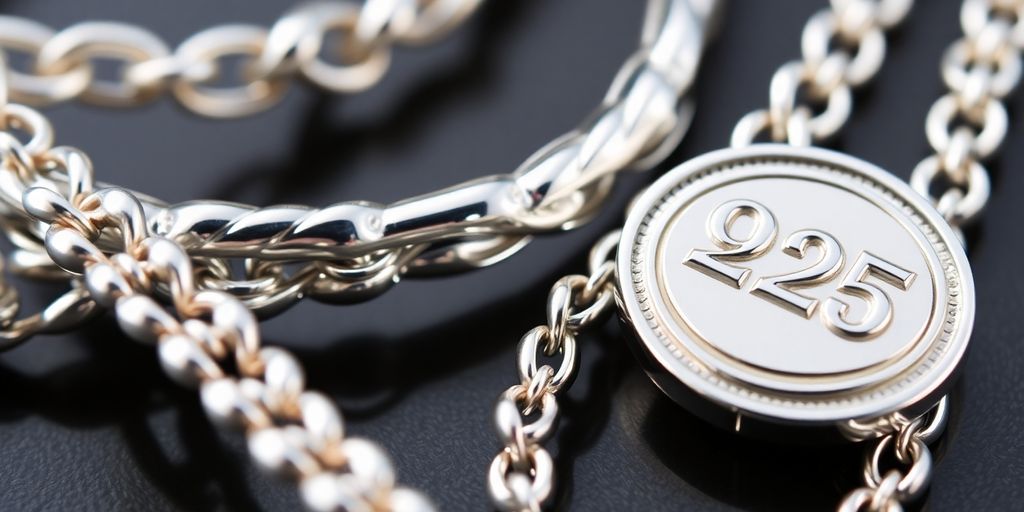
Hallmarks, those small, discreet marks found on silver objects, are much more than simple decorations. They are the identity card of the precious metal, guaranteeing its authenticity and purity. Imagine buying a silver ring and not being sure it's actually solid silver! That's where the hallmark comes in, providing tangible proof of the metal's quality. It's a bit like the organic label on vegetables—it's reassuring.
How to identify a hallmark
Identifying a hallmark can seem daunting at first, but with a little observation, it becomes easier. Here are some tips:
- Look carefully: Hallmarks are often small and inconspicuous. Use a magnifying glass if necessary.
- Identify the shapes: Punches can be round, square, diamond-shaped, or have more complex shapes.
- Pay attention to the symbols: Each symbol has a specific meaning (we will come back to this shortly).
- Consult guides: There are online guides and books that list the different hallmarks and their meanings. It's like cracking a secret code!
The different types of punches
There are several types of punches, each with a specific function. The main ones are:
- Title hallmark: Indicates the percentage of pure silver in the alloy. For example, a hallmark with the number 925 means the item contains 92,5% pure silver. It's a bit like a nutrition label on a food.
- Guarantee hallmark: Affixed by an official body, it certifies that the object meets current purity standards. It's a bit like a technical inspection for a car.
- Master's (or goldsmith's) mark: It identifies the maker of the object. It's a bit like an artist's signature. This goldsmith's hallmark is often a diamond containing the goldsmith's initials and a distinctive symbol.
Hallmarks are essential for ensuring the authenticity and value of silver items. They allow buyers to make informed choices and avoid counterfeits. It's a bit like having a lie detector for jewelry!
The Impact of Purity on Jewelry
Why is purity important?
The purity of silver has a direct impact on several aspects of jewelry, ranging from appearance to durability to price. Choosing the right level of purity is therefore essential to guarantee the quality and longevity of the jewelry. 999 silver, with its high pure silver content, offers exceptional shine and is less likely to cause allergic reactions. However, its malleability makes it less suitable for certain creations. 925 silver, a more robust alloy, is preferred for jewelry requiring greater strength.
Effects on the appearance of jewelry
999 silver has a brighter color and a more intense luster than 925 silver. This difference is due to the higher amount of pure silver in the metal. However, 999 silver tarnishes more quickly than 925 silver because it is more reactive to oxygen and sulfur in the air. 925 silver, thanks to the addition of other metals such as copper, is more resistant to tarnishing, but may have a slightly less vibrant color. To recognize the carat of my jewelry, you must check the hallmark.
Considerations for Jewelry Care
The care of silver jewelry depends on its purity. Here are some tips:
- Clean jewelry regularly with a soft cloth to remove fingerprints and dust.
- Use specific silver cleaning products to remove tarnish. Be careful, avoid cleaning your pieces to avoid losing their original state.
- Store jewelry in dry, air-tight places to prevent oxidation.
It's important to note that 999 silver, being softer, requires more delicate care to avoid scratches and deformation. 925 silver, being more durable, can withstand more vigorous cleaning, but it's always best to use gentle methods to preserve its appearance. Matière Première Paris is a supplier of beads for DIY jewelry creation.
Investing in Silver: 999 vs. 925
Investment Value of 999 Silver
When it comes to investing in silver, 999 silver is a bit like the Holy Grail. Why? Well, first of all, its purity is maximumWe're talking about 99,9% pure silver, which makes it very valuable. It's a bit like buying 24-karat gold, you know?
- It is often considered a safe haven in times of economic uncertainty.
- Its intrinsic value is higher than that of 925 silver.
- It is easier to store and verify in terms of purity.
999 silver is often favored by investors looking to diversify their portfolio with precious metals. Its value is less subject to fluctuations in the jewelry market, as it is more closely tied to the price of silver.
925 silver market
925 silver, on the other hand, is more common. It's found everywhere, especially in jewelry. It's an alloy, so it contains 92,5% silver and 7,5% other metals, often copper. This makes it more durable than 999 silver. But is it a good choice? investment in money Let's say it's different.
- The 925 silver market is more liquid, as it is widely used in jewelry making.
- It is more accessible in terms of price.
- Value is more influenced by fashion and trends.
Advice for investors
If you want to invest in silver, here are a few things you should know. First, determine your objective. Are you looking for a long-term safe haven, or a more speculative investment? Then, research the money course. They can vary quite a bit, so be aware of them. And finally, don't forget about fees. There are often commissions to pay when buying or selling silver.
- Diversify your investments: don't put all your eggs in one basket.
- Keep an eye on interest rates and inflation, as they can affect the price of money.
- Consider tax aspects: Taxes may vary depending on the country and type of money.
Myths about pure silver
Debunking preconceived ideas
We often hear misconceptions about pure silver, and it's time to set the record straight. For example, many people think that 999 silver is incredibly fragile and bends at the slightest touch. It's true that it's more malleable than 925 silver, but it's not butter either! You just have to take care of it. Another misconception is that pure silver blackens instantly. In reality, the blackening (or tarnishing) depends on the environment and how it's stored. Regular cleaning and proper storage can work wonders. Finally, some believe that 999 silver is prohibitively expensive. Although it's more expensive than 925 silver, it's still an affordable precious metal, especially considering its purity and intrinsic value. It's important to understand the purity of silver to avoid unpleasant surprises.
Answers to frequently asked questions
Many questions often arise regarding pure silver. Here are some answers to help clarify them all:
- Is 999 silver really 99,9% pure? Yes, that's its very definition. The amphora hallmark attests to this purity.
- Why is 999 silver less used in jewelry than 925 silver? Mainly because of its malleability. 925 silver, alloyed with other metals, is more durable for everyday use.
- How to clean 999 silver without damaging it? Use a soft cloth and specific products for silver. Avoid abrasive products.
- Is 999 silver a good investment? Like any precious metal, it can be a good long-term investment, but you need to educate yourself about the market.
Silver, whether 999 or 925, has a rich history and deep cultural significance. It is associated with femininity and the moon, and has been used since ancient times for minting coins and creating jewelry. Understanding its properties and myths allows you to better appreciate it and make informed choices.
The Importance of Money Education
It's crucial to be properly informed about silver, its properties, and its different types. Proper education helps you avoid scams, make wise purchasing choices, and take care of your silver possessions. Here are some key points to remember:
- Know the punches : They guarantee the purity and authenticity of the silver.
- Understanding Alloys : Know why silver is often alloyed with other metals.
- Learn about the market : Track silver prices for investments.
Ultimately, education is the key to fully appreciating the value and beauty of silver, whether 999 or 925. Don't hesitate to consult experts and do your own research to become a connoisseur!
There are many myths about pure silver that can be confusing. Many believe that silver is always a good investment, but this isn't always true. To learn more about the reality of pure silver and how it can affect your finances, visit our site. Don't let misconceptions guide you!
Conclusion
In summary, understanding silver purity is essential for making informed choices when purchasing jewelry. The numbers 999 and 925 indicate different purity levels, each with its own characteristics. 999 silver, while pure, is more fragile and less suitable for everyday jewelry. On the other hand, 925 silver, more robust thanks to its alloy, is the preferred choice for jewelry. Ultimately, whether you opt for one or the other, it's important to consider your intended use and always check the hallmarks to ensure the authenticity of your pieces.
Frequently Asked Questions
What is 999 silver?
999 silver, also called pure silver, contains 99,9% silver. It is often used for investments or collectible coins.
Why is 925 silver so popular?
925 silver, or sterling silver, is made up of 92,5% pure silver and 7,5% other metals, making it more durable and ideal for jewelry.
How can I recognize 999 and 925 silver?
To identify silver, look for hallmarks. 999 silver is often marked '999', while 925 silver is marked '925' or 'S925'.
Is 999 silver better than 925 silver?
It depends on the use. 999 silver is purer, but also more fragile. 925 silver is more durable and therefore better for jewelry.
What are the benefits of buying 925 silver jewelry?
925 silver jewelry is durable, less likely to scratch, and retains its shine longer, making it perfect for everyday wear.
Can 925 silver cause allergies?
925 silver is generally well tolerated, but some people may have allergies to other added metals, such as copper.