How can a will facilitate the transfer of gold? This is a question you may be asking yourself if you own gold. Gold is much more than just a metal; it's a safe haven asset that stands the test of time. Knowing how to clearly bequeath it to your loved ones is essential to avoid problems. Let's explore how a well-thought-out will can help pass this precious inheritance on to the next generation without complications.
Key Takeaways
- To ensure a smooth transfer of your gold through your will, it's crucial to be very precise. Clearly specify the type of gold assets (bullion, coins, jewelry), their weight, their purity, and where they are stored. This will prevent misunderstandings and disputes among your heirs.
- It is also important to designate your beneficiaries with as much detail as possible. Full name, date of birth, address: the more precise you are, the less risk there is of errors or disputes. Remember to also name backup beneficiaries, in case the primary beneficiary is unable to receive the asset.
- Gold is a solid asset, a recognized safe haven. Using a will allows you to specify its transfer, outside the standard inheritance rules for certain types of contracts, such as life insurance where the beneficiary clause takes precedence. This ensures that your wishes regarding your gold are respected.
Clarify the transfer of your gold through your will
When considering passing on your wealth, gold often comes to mind. It's an asset that has stood the test of time, and for good reason: it retains its value. But for this transfer to go smoothly, you need to be clear in your will. Otherwise, you risk leaving your loved ones with more worries than treasures.
The importance of precision in the designation of gold goods
Simply saying "I bequeath my gold" in your will is a bit like handing out a treasure map without marking the "X." Your heirs and the notary won't know exactly what you're talking about. You need to be specific. Consider describing the nature of the assets: are they gold bars, specific coins (like Napoleons or Sovereigns), or perhaps jewelry? If you have gold bars, mentioning their weight (for example, 250g, 1kg) and their purity (often 999.9‰ for investment gold) is a good idea. Don't forget to specify where these assets are stored: at home, in a bank safe deposit box, or with a specialized provider. The more precise you are, the less room there will be for interpretation and conflict.
Here is an example of what you could indicate:
- Gold bars: "I bequeath my three gold ingots of 250g each, with a purity of 999.9‰, currently kept in safe deposit box number XXXX at bank YYYY."
- Gold coins: "I am bequeathing my collection of 50 pieces" Napoleon III 20 Francs, stored in the secure box located in my office."
Clearly identify the beneficiaries to avoid disputes
Once you've clearly defined what you're leaving behind, you need to specify who it's for. This isn't just a formality; it's an essential step to prevent your wishes from being contested. If you have several grandchildren, for example, and you want to leave gold to each of them, you must name them precisely. Instead of saying "to my grandchildren," it's better to mention "to my grandson Jean Dupont, born March 15, 1995, and to my granddaughter Sophie Martin, born July 10, 1998." This precision avoids any confusion, especially if there are people in the family with the same first name.
It's also very wise to designate secondary beneficiaries. What does that mean? Simply put, if the person you've chosen can't receive the asset (because they predeceased you, for example), you designate someone else to replace them. You could say, "In the absence of my grandson Jean Dupont, this bequest will go to his brother, Paul Dupont." This creates a plan B and ensures that your gold will always reach the right person, without going through the general estate, which can sometimes complicate matters.
Clarity in designating assets and beneficiaries is key to a smooth transfer of gold. It's an act of consideration towards your loved ones, sparing them much potential trouble and disagreements.
Gold as a heritage asset and safe haven
The different forms of inheritable gold
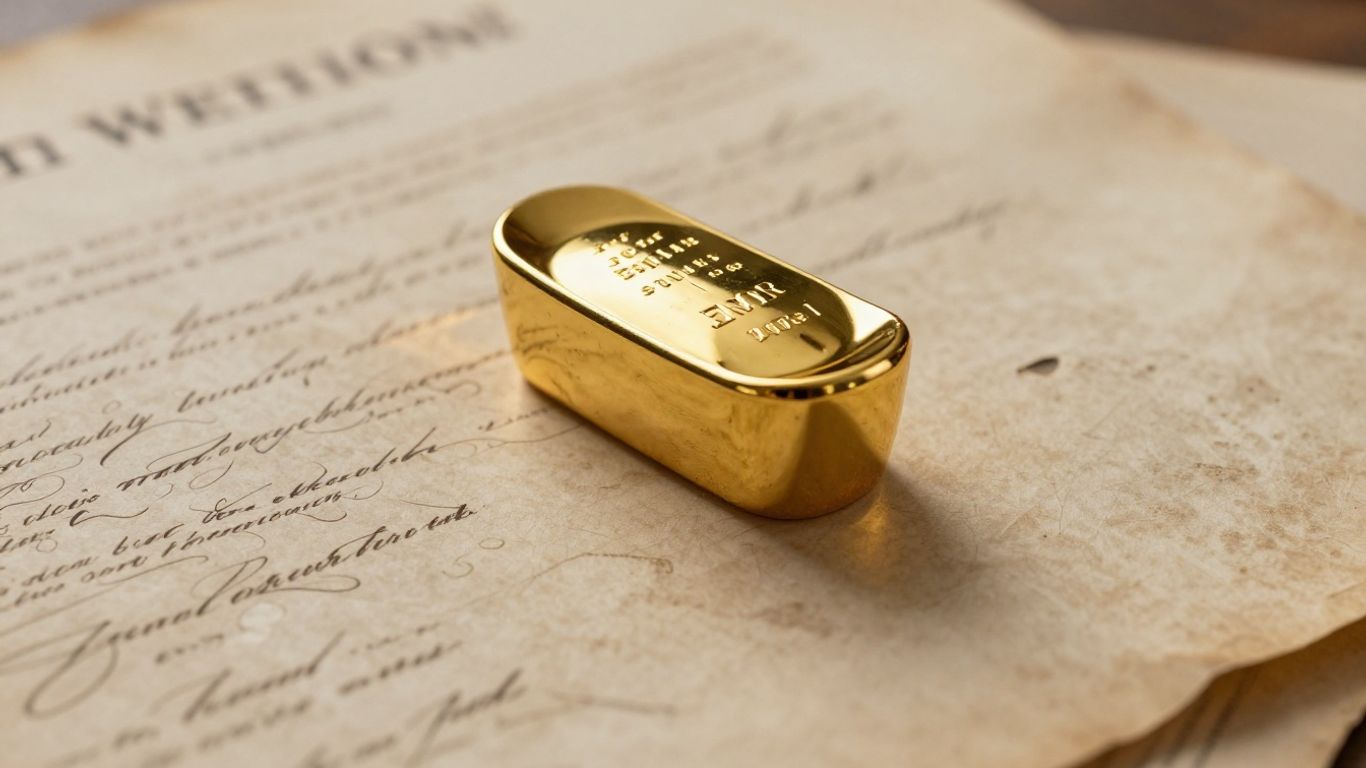
When we talk about passing on gold, we're not just referring to family heirlooms stored in a safe. Physical gold comes in many forms, each with its own specific characteristics for inheritance. You can, for example, pass on gold coins, such as the famous Napoleons or Swiss Vreneli coins, which have historical value and international recognition. There are also gold bars, whether small (1g, 5g, 10g) or larger (250g, 500g, 1kg). These are valued for their guaranteed purity and their more substantial appearance.
Gold is a bit like a treasure you keep for yourself. When things go wrong in the world, gold remains, solid and precious. That's why many people like to own it, to feel more secure. It's a bit like insurance for their money. Do you want to know how gold can help you? protect your money Come and discover our advice on our website!
In conclusion: your gold, a transfer designed for the future
So, now you know how a will can truly help pass on your gold. It's not just a formality; it's a way to ensure that what you've built goes into the right hands, without any hassle for your loved ones. Think of it as a final, well-planned gift. By taking the time to carefully write your will, you're giving more than just gold; you're giving peace of mind to those you love. It's a meaningful step that will ultimately bring you true peace of mind.
F.A.Q
Can I include gold in my will?
Absolutely! You can definitely mention gold, whether in the form of bars, coins, or even jewelry, in your will. It's a clear way to specify who you want to leave these valuables to. The important thing is to be very precise to avoid any confusion.
What is the difference between a will and a beneficiary clause for gold?
That's a great question! The beneficiary clause, often found in life insurance policies, directly designates who receives the assets. It's generally simpler and faster than a will for things like gold. A will, on the other hand, is more general and covers everything you own. If your gold is tied to a life insurance policy, the beneficiary clause of that policy will take precedence over what's written in your will for that particular gold.
How can I ensure that my gold reaches the right person?
To ensure your gold reaches the right person, you need to be extremely precise. In your will or beneficiary clause, provide as many details as possible about the recipient: their full name, date of birth, and even their address if you know it. If you mention a specific gold item, describe it clearly. The clearer everything is, the less risk there is of misunderstandings after your passing.