
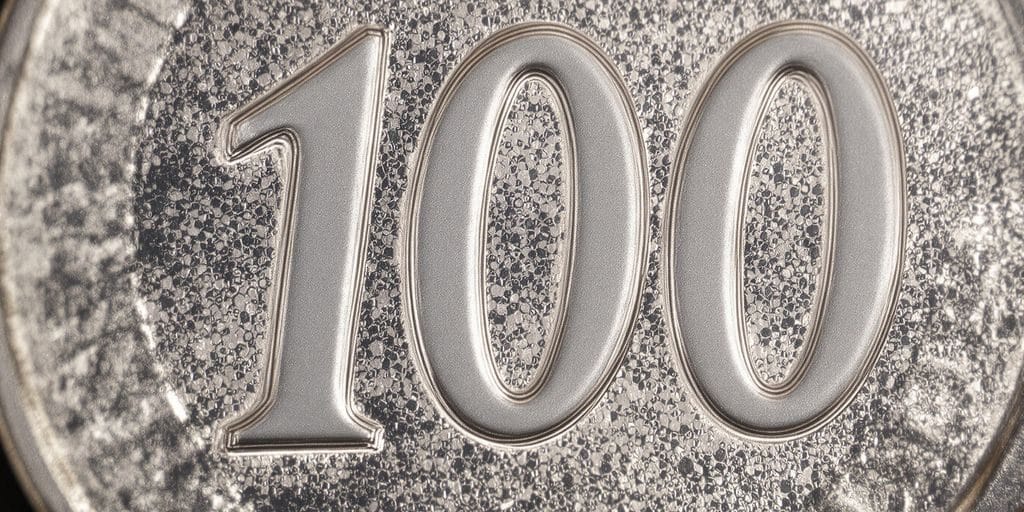
Do you have an old silver 100-franc coin lying around in a drawer? Wondering how much it might be worth? That's an excellent question, because the value of a silver 100-franc coin isn't just about its name. It's the result of a complex mix of the silver's price, its condition, its rarity, and other factors that we'll explore together. Follow the guide to understand how the value of these little pieces of history is determined.
Key points to remember about the value of the 100 franc silver coin
- The value of a 100 franc silver coin depends primarily on the amount of silver it contains, the price of which fluctuates daily.
- Beyond the value of the metal, a numismatic premium is added, linked to the rarity of the coin, its year of minting and its cultural appeal.
- The state of preservation is decisive: a piece in perfect condition will be worth much more than a damaged piece.
- The silver content (835‰ or 900‰) and the weight of the coin must also be considered to estimate its metallic value.
- For an accurate estimate, it is recommended to consult numismatic experts or specialized guides.
Understanding the composition of the value of a 100 franc silver coin
To fully understand what makes a 100-franc silver coin worth what it is, there are two main things to consider. It's a bit like gold coins: there's the value of the metal itself, and then there's everything else related to the coin as a collectible.
The intrinsic value of the money contained
The first thing is the silver weight of your coin. 100-franc silver coins, like many others, contain a certain amount of pure silver. This amount is called the fineness. For example, some coins may be 835‰ silver, which means they contain 83,5% pure silver, with the remainder being another metal, often copper, to make the coin more solid. Others may be 900‰, meaning 90% pure silver. The price of silver on world markets, which changes daily, will directly influence the base value of your coin. If the price of silver rises, the value of your coin as a precious metal also increases, regardless of its collectible value. It's a bit like having a silver bar of the same weight; its value would be calculated in the same way. The exact weight and fineness of the coin are therefore important information to have an initial idea of its value.
The numismatic premium: rarity and cultural appeal
But that's not all. A 100-franc silver coin isn't just a piece of silver. It's also an object with a history, one that circulated, and one that was minted at a certain time and in a certain place. This is called the numismatic premium. It depends on several factors. First, rarity: how many copies of this coin were made? And how many still exist today? A rare coin, especially if it's in good condition, will have a value much higher than its simple silver value. The year it was minted also plays a role. Some years are more sought after than others by collectors. You also have to consider the mint that minted the coin; each mint had a specific hallmark. Finally, there's cultural and historical appeal. A coin that depicts a famous person or a significant event can have sentimental and historical value that goes beyond its material value. It is this combination of metal value and collector value that determines the final price of a 100 franc silver coin. It is a bit like gold coins, where the weight of gold contained is a base, but the rarity and state of preservation make all the difference.
The influence of the price of silver on the value of coins
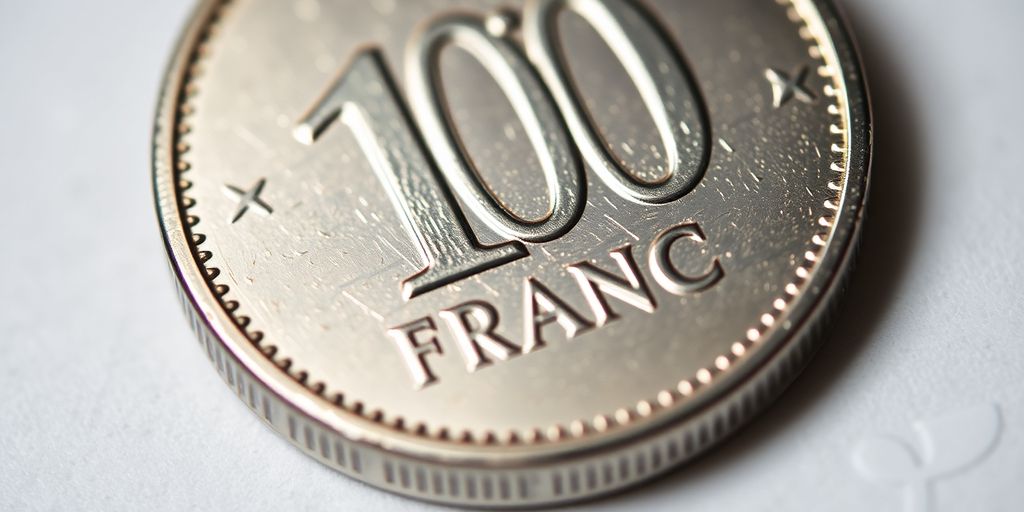
The price of silver metal is a bit like a barometer that indicates the gross value of your 100-franc coin. It's important to know that this price isn't fixed; it changes every day, or even several times a day. This daily fixing is called "fixing." The best-known is the "London Silver Price," established in London by the LBMA. But be careful, this isn't the only indicator. You should also look at "spot" prices, which are those offered by sellers on the over-the-counter (OTC) market. These prices can vary from one seller to another, but they generally remain close to the London price. These fluctuations in the price of silver directly impact the value of your coin, as they determine the intrinsic value of the silver it contains.
The daily fixing of silver metal
The price of silver is set twice a day in London by the LBMA. It is an important benchmark for the global market, even though it is not an official price. It gives a good idea of the basic value of silver.
Spot courses and their impact
Spot rates are the prices at which sellers are willing to exchange silver immediately. They reflect supply and demand at a given moment and may therefore differ slightly from the fixing rate. If you're looking to buy or sell silver, these rates are the ones you'll encounter most often. They directly influence the price at which your 100-franc coin will be valued.
The gold/silver ratio as a potential indicator
Historically, there was a fixed ratio between the value of gold and silver, often around 15,5 ounces of silver for 1 ounce of gold. Today, this ratio is quite different, often closer to 50:1. Some investors therefore consider silver to be undervalued relative to gold. This imbalance can be an interesting sign for those interested in French silver coins as heritage, because it suggests an upside potential for the price of silver.
The essential criteria for estimating a 100 franc silver coin
To accurately estimate the value of your 100-franc silver coins, you need to consider several factors. It's not just the weight of the silver that matters, far from it. There are details that can really make a difference.
The importance of the state of conservation
It's a bit like with collector cars, the condition of the coin is super important. A coin that has circulated a lot, with scratches, dents or visible wear, will be worth less than a coin that has been carefully kept. We often talk about different qualities: FDC (Fleur de Coin) for a perfect coin, SUP (Superb) for a near-perfect coin, TTBC (Très Très Beau daarbij) for a coin in good condition but with some signs of use, and BC (Beau daarbij) for a coin that has circulated quite a bit. The closer the coin is to its original condition, the higher its numismatic value will be. Even a small scratch can bring the price down.
Identify rarity and specific mintage years
Some mintage years are much rarer than others. Sometimes, a particular year saw fewer coins being produced, or a large proportion were melted down. These rare coins can be worth much more than their weight in silver. Therefore, it is important to look at the year inscribed on the coin. For example, some 100-franc Semeuse or Génie coins may have specific years that are highly sought after by collectors. It is important to note that the value of a 100-franc coin can vary enormously depending on its mintage year, ranging from a few euros to several hundred or even thousands of euros for the rarest ones. It is a good idea to consult specialized catalogs to see which years are the most sought after.
The role of the minting workshop
Coins weren't all made in the same place. There were different mints, each with its own symbol (a cornucopia, a star, a trident, etc.). A coin minted in a less common mint or for a specific reason may be rarer and therefore more sought-after. For example, coins minted abroad for France may have particular value. Therefore, it's important to look carefully at the small symbol next to the year or date. This is a detail that can make all the difference to a connoisseur. If you're looking to sell a coin, knowing its mint can help you get a better estimate, perhaps even by consulting websites specializing in the sale of ancient coins such as those who deal with Swiss coins.
In short, to properly value a 100-franc silver coin, you must carefully examine its condition, check the year of minting to identify any rarities, and don't forget to look at the mint symbol. These three elements, combined with the intrinsic value of the silver, determine the final price of your coin.
Factors influencing the value of a 100 franc silver coin
Silver titration: 835‰ or 900‰
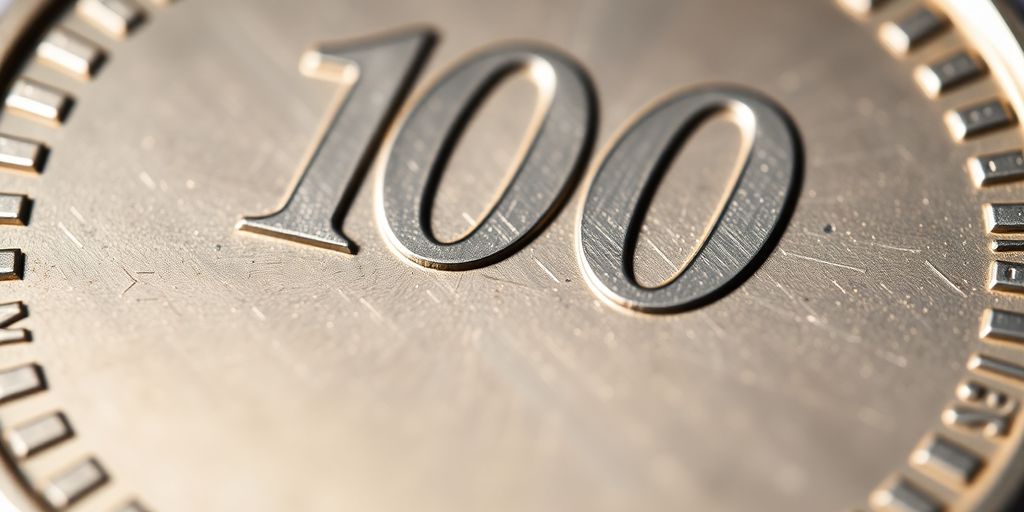
When talking about 100-franc silver coins, it's important to know that they don't all contain the same amount of pure silver. The silver content is a bit like the coin's recipe. French 100-franc silver coins generally have a silver content of 900‰ (one thousand), which means they are made of 90% pure silver and 10% other metals, often copper, to make them stronger. Sometimes you might come across coins with a silver content of 835‰, especially if they come from other countries or a different time period. This difference in purity has a direct impact on the coin's intrinsic value, as the more pure silver there is, the more the coin is worth, depending on the price of silver metal.
The weight and diameter of the coin
Beyond purity, the coin's gross weight and diameter are also factors to consider. A 100-franc silver coin, for example, typically weighs around 15 grams and has a diameter of about 31 mm. These dimensions are standardized for a given series, but it's always a good idea to check. Why? Because the coin's total weight, combined with its fineness, determines the exact amount of silver it contains. This is a simple but fundamental piece of information for calculating the metal's value. Imagine two coins that look similar, but one is slightly heavier: it will contain more silver and therefore be more valuable, all other things being equal.
Market demand and numismatic trends
The value of a 100-franc silver coin isn't just about its weight or purity. There's also a whole dimension related to collecting and its appeal to numismatists. This is called market demand. Some minting years are rarer than others, or certain effigies are more sought-after. For example, a 100-franc Semeuse coin, depending on its year and condition, can be worth much more than its weight in silver. Numismatic trends—what's fashionable in the collecting world—can drive prices up or down. It's therefore important to keep an eye on what's happening in this environment to fully understand a coin's true value. It's a bit like classic cars; some become more desirable over time. If you own a coin that seems interesting, it may be a good idea to consult specialized catalogs or experts to get an idea of its current value. Remember that the value of a coin can be influenced by factors beyond its simple metallic composition, as evidenced by the interest in 20 franc coins. Napoleon in gold, which are highly sought after for their history and beauty, far beyond their weight in precious metal. Consult numismatic experts can help you see things more clearly.
How to get your 100 franc silver coin appraised
Do you have a 100-franc silver coin lying around in a drawer and are wondering what it's really worth? That's an excellent question, because the value of a coin isn't always limited to its weight in precious metal. To get a clear idea, there are several avenues you can explore.
Consult numismatic experts
The best way to know what your coin is worth is to seek the advice of a professional. Numismatists, those coin specialists, have an eye for spotting the details that make the difference. They know the market, current prices, and can identify specific features of your coin, such as a rare minting year or a manufacturing defect that could increase its value. Don't hesitate to visit a specialty store or contact a recognized expert. It's a bit like asking an antique dealer for an old piece of furniture; their expertise is often irreplaceable. Remember to check the provenance of your coin; this can also play a role in its valuation.
Use specialized guides and catalogs
Before meeting with an expert, or if you want to get a first impression, numismatic catalogs are your best allies. They list the different coins, their characteristics (weight, diameter, metal), the years of minting, the quantities produced and give price estimates according to the state of conservation. It's a bit like having an encyclopedia of your coins. You will find information on the silver fineness (835‰ or 900‰ for example) and on the different series of 100 franc coins. This will allow you to better understand what influences the price, beyond the simple price of metal silver. You can find these catalogs in bookstores or sometimes online, some specialized sites even offer databases.
Check the provenance and authenticity
Knowing where your piece comes from and being sure it's authentic is also very important. A piece whose origin is well documented, for example if it comes from a known collection, can have added value. Likewise, authenticity is essential. Unfortunately, counterfeits do exist, and an expert will be able to detect them. If you have documents that accompany the piece, such as a certificate of authenticity or an old invoice, keep them safe. This builds confidence during a sale and can positively influence the estimate. Remember to look at the weight and diameter of the part to compare with official specifications.
100 franc silver coins: a potential investment
Money as a safe haven
Are you wondering if your 100-franc silver coins are a good investment? It's a question many people ask themselves, especially given the fluctuations in the financial markets. Silver, like gold, is often considered a safe haven. This means that in times of economic uncertainty, people tend to turn to these precious metals to keep their money safe. Historically, silver has always had intrinsic value, making it less susceptible to crises than other assets. It's a bit like having a tangible store of value that spans the ages. Think about how currencies have evolved; the precious metal has remained a constant.
The difference between face value and collectible value
It's important to distinguish between two things: the face value of your coin and its collector's value. The face value is simply the 100 francs written on it. Today, this value is no longer legal tender, so it won't be of much use to you for a purchase. What really matters is the collector's value, which itself is made up of several elements. First, there's the value of the silver contained in the coin, calculated based on the current price of the metal. Then there's the numismatic premium. This premium is a bit like the bonus you earn thanks to the coin's rarity, its condition, its history, or even its appeal to collectors. Sometimes, this premium can even far exceed the value of the silver itself. It's a bit like Swiss 20 Franc gold coins, where the metal is important, but the rarity and history add a significant layer of value.
French silver coins as heritage
Your 100-franc silver coins can also be seen as part of your heritage. They're not just pieces of metal; they carry a story, the know-how of our ancient minting workshops. Owning these coins is a bit like holding a fragment of French monetary history. For some, it's a tangible link to the past, a way to pass something concrete on to future generations. If you're looking to diversify your investments or simply preserve tangible wealth, these coins can definitely contribute to that. They represent a form of savings that has stood the test of time and continues to generate interest, both for their silver content and for their historical and cultural dimension.
The 100 franc silver coins can be a good idea for investing your money. They are often sought after by collectors and can increase in value over time. It's a bit like collecting rare cards, but more valuable! If you want to know more about these coins and how they could make you money, come and explore our site.
So, is your 100 franc silver coin a treasure or just a souvenir?
So, now you know how the value of these old 100-franc silver coins is determined. It's not just a question of silver weight, far from it. You have to look at the condition of the coin, how many are left, and whether collectors are really looking for it. If you have one of these coins lying around in a drawer, it might be worth finding out a little more. Who knows, maybe it's worth more than you think. Don't hesitate to ask an expert for advice; it costs nothing and you might be surprised!
Frequently Asked Questions
How do I know how much my 100 franc silver coin is worth?
To know the value of your 100-franc silver coin, you need to look at several things. First, how much silver is in it and what the current price of silver is. Then, you need to see if the coin is rare, if it's in good condition, and if it appeals to collectors. It's a bit like an old toy: its value depends on whether it's still in great condition and whether it's hard to find.
Why does the price of silver change all the time?
The price of silver changes every day. It's like the price of fruits and vegetables! There are times when silver costs more, and others when it costs less. This price directly influences the value of your coin, because it's the precious metal it's made of.
Does the condition of my coin change its value?
Yes, the condition of your coin is super important! A coin that has been well-kept, without too many scratches or dents, will be worth more than a damaged one. That's why you have to be careful when handling old coins.
Does the year my part was made matter?
Some years of manufacture are rarer than others. If your coin was minted during a year when there were few of them, it will be more sought after by collectors and therefore more valuable. You should look at the year printed on it.
Is my coin worth more than just the price of the silver it contains?
Absolutely! 100-franc silver coins can have a value that goes far beyond the simple value of the silver they contain. This is called the 'numismatic premium'. It depends on the beauty of the coin, its history, and whether it is rare. It can sometimes multiply the value by a lot!
Where can I get my 100 franc silver coin appraised?
To be sure of the value of your coin, it's best to ask a numismatic expert, a coin specialist. You can also look in books or websites that discuss ancient coins, but a professional's opinion is the most reliable.