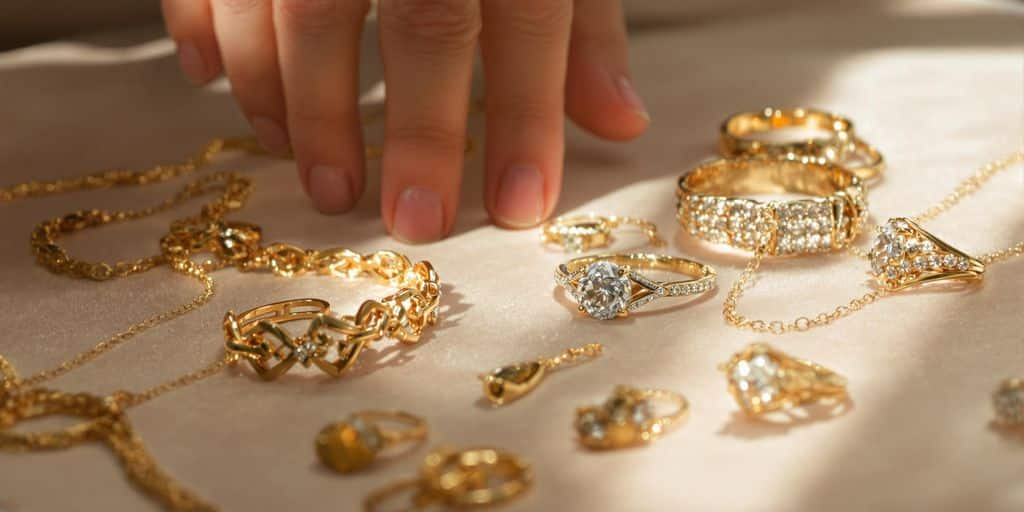
You may be wondering what percentage of your jewelry's value you can borrow? This is a common question for those considering pawning their jewelry. This article will guide you through the different aspects of pawning, including the factors that influence your jewelry's value and the loan terms.
Key points
- The amount you can borrow is generally 50 to 80% of the value of your jewelry.
- The value depends on several factors, such as the type of metal and the presence of precious stones.
- Fees such as interest and custody fees may apply when pawning a loan.
- There are alternatives like direct jewelry sales that can be more cost-effective.
- To borrow, you will need documents such as ID and proof of purchase.
Understanding the value of my jewelry
Factors influencing value
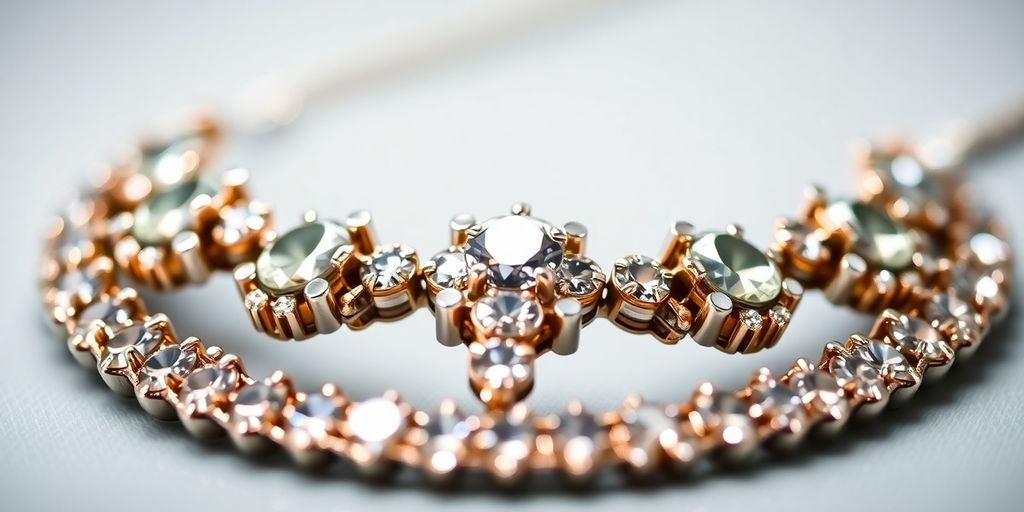
The value of a jewel is not just the gold price or the precious metal it's made of. It's a little more complicated than that. Several factors come into play and can significantly affect the amount you could borrow.
- The type of metal: Gold, silver, platinum... each has its own price and purity. 24-karat gold, for example, is more expensive than 18-karat gold.
- The weight : Logically, the more metal there is, the more the value increases.
- Precious stones: Diamonds, emeralds, rubies… their quality (cut, color, purity, carat) has a huge impact on the total value.
- The brand and design: A piece of jewelry signed by a famous house or with a unique design can be worth much more than its simple material value.
- General condition: A piece of jewelry in perfect condition will sell better than a damaged piece of jewelry.
It is important to note that the precious metals market is constantly fluctuating. Gold prices, for example, may vary from day to day depending on global supply and demand, economic and political events, and stock market speculation.
Importance of expertise
Think you know the value of your jewelry? It's possible, but a professional appraisal is essential for a reliable estimate. An expert will examine your jewelry from every angle, using specific tools to determine the purity of the metals, the authenticity of the stones, and the overall condition of the item. They will also take into account the artistic and historical value of the jewelry, if applicable. If you don't know the value of your item on the second-hand market, only an estimate carried out on site by experts will allow you to determine the amount that can be borrowed.
Gemstone Valuation
Gemstone valuation is an art in itself. Each stone is unique and has its own characteristics. Experts use the 4C rule to evaluate diamonds:
- Carat (weight): The bigger the diamond, the more expensive it is.
- Clarity (purity): The fewer inclusions (internal defects), the purer and more valuable the diamond.
- Color: Colorless diamonds are the most sought after, but certain colors (like pink or blue) can be extremely rare and worth a fortune.
- Cut (size): A good cut helps maximize the diamond's brilliance and fire.
For other gemstones (emeralds, rubies, sapphires, etc.), color, clarity, and cut are also essential criteria. The stone's origin can also play an important role. For example, a Kashmir sapphire will generally be more expensive than one from another source.
| Feature | Description
Pawn loan percentage
Pawning is a bit like a friend lending you money when you need it, but in exchange for collateral: your jewelry. But what percentage of your jewelry's value can you actually borrow? That's the question we're going to answer.
Maximum amount that can be borrowed
The amount you can borrow depends mainly on the estimated value of your jewelry. Typically, the loan granted represents a fraction of this value, often between 50% and 75%. This percentage varies depending on several factors, including the lending institution's policy and the type of jewelry. For example, a piece of jewelry with rare gemstones might qualify for a larger loan than a simple piece of gold jewelry.
Differences depending on the type of metal
The composition of the jewelry plays an important role. Precious metals like gold, silver, and platinum don't all have the same value. Gold is often the most sought-after, followed by platinum and silver. Therefore, the loan percentage can vary depending on the metal. Here's an overview:
| Metal type | Typical Loan Percentage | Additional factors |
|---|---|---|
| Or | 60-75% | Purity, weight |
| Base Plate | 55-70% | Purity, weight |
| Silver | 50-65% | Purity, weight |
Specific conditions for jewelry
Jewelry is often more complex than simple metal ingots. The presence of precious stones, the jewelry craftsmanship, and the brand can influence the value and therefore the loan amount. A designer piece of jewelry used jewelry will be worth more than an unbranded piece of jewelry. In addition, the overall condition of the jewelry is taken into account. A piece of jewelry in perfect condition will allow you to obtain a larger loan.
It's important to note that each pawnshop has its own rules and evaluation criteria. It's therefore advisable to compare several offers before making a decision. Don't hesitate to request a free, no-obligation estimate to find out the maximum amount you can borrow.
Fees associated with pawnbroking
Okay, let's talk about hidden costs, because nothing's ever truly free, is it? When it comes to pawnshopping, there's more to it than just the amount you borrow. You have to understand where your money is going.
Interest rate applied
The interest rate is the lifeblood of war. This is the main cost of your loan. Each municipal fund sets its own rates, so it varies. The important thing to remember is that these rates are often higher than those of traditional bank loans. Why? Because pawnshop loans are considered riskier for the lender. They take your jewelry as collateral, sure, but they still prefer you to repay. Check this rate carefully before committing; it's always specified in the contract.
Care expenses
Imagine your jewelry is in storage. Well, you have to pay for the storage! The storage fee is what you pay to keep your jewelry safe for the duration of the loan. These fees depend on the value of the item, its size, and the storage conditions (safe, insurance, etc.). It's a bit like renting a storage space, but for your jewelry. These fees are also indicated in the contract, so there are no unpleasant surprises. It's important to note that these fees can add up quickly, especially if the loan is for a long time. Be sure to carefully assess the impact on the total cost of the loan.
Impact of taxes on precious metals
If you ever decide not to collect your jewelry and it is sold at auction, or if you sell your jewelry directly to avoid pawnbroking, precious metal taxes come into play. In France, the sale of gold jewelry is subject to a tax precious metals if the amount exceeds €5000. This tax, called TMP (Precious Metals Tax), amounts to 11,5% (11% TMP and 0,5% CRDS). This is a significant percentage that reduces the net amount you receive.
It's crucial to research these taxes before making a decision. They can significantly impact the profitability of selling your jewelry, whether through a pawn shop or a direct sale.
In short, before you take out a pawn loan, do the full math: interest + custody fees + potential taxes. This will save you from regrets.
Alternatives to pawnbroking
Direct jewelry sales
Selling jewelry smoothly is possible through a variety of buyers: jewelers, online platforms, or even local consignment stores. Each channel has its own costs and timeframes.
- Sales in specialist stores: speed and physical contact, but high commission (10–20%).
- Used sites: low cost (5–10%) and large audience, but time-consuming to put online and monitor.
- Flea markets or flea markets: no commission, but prices are often very low.
| Canal | Average commission | Payment deadline |
|---|---|---|
| Local jewelry store | 10-20% | 1–3 days |
| Online platform | 5-10% | 7–14 days |
| Consignment shop / flea market | 0% | For sale |
Keep in mind that the condition of the jewelry and its certificate of origin can have a significant impact on the final price.
Considerations for Resale
Before listing, check the tax regulations: below €5, there's no tax. Above that, a 000% levy applies to the gross amount. Don't forget to keep your purchase invoice; it reassures the buyer and justifies the value.
Also consider hidden costs:
- Packaging and shipping if you sell online.
- Restoration costs (cleaning, minor repairs).
- Bank or platform fees.
Advantages and disadvantages of options
| Option | Benefit | Disadvantage |
|---|---|---|
| Direct sale | Fast liquidity | Permanent loss of the jewel |
| Sale on consignment | No initial expense | Commission and often long delay |
| Pawnbroker | We keep the item and get cash back. | Interest and custody fees |
| Gold bullion loans | No sale of precious metal** | Strict conditions at some lenders |
Selling directly may empty your jewelry box, but ensures immediate payment.
You can also study the gold bullion loans if you have a bar and prefer to keep your money in gold.
Documents required to borrow
Proof of identity
When you start a pawnshop, the first thing you need to prepare is your identity. A valid ID document is essential. Consider your ID card, passport, or even a residence permit if you're a foreigner. The goal is simple: prove that you're the person who deposited the jewelry and agreed to repay the loan. This is a mandatory step for any financial transaction, so make sure your document is up to date to avoid any problems.
Proof of acquisition
Next, you have to prove that the jewelry is indeed yours. This is where things can get a little complicated. If you have the purchase receipt, great! Keep it safe. But let's face it, who keeps their jewelry receipts for years? If you don't have it anymore, don't panic. Other documents can do the trick. A deed of gift, a certificate of inheritance, or even an old appraisal can serve as a proof of acquisitionThe idea is to show that you are the rightful owner of the jewelry. The more documents you have, the better.
Preliminary assessments
Finally, although it is not always mandatory, having a preliminary appraisal of your jewelry can really help you. It gives you an idea of its value and can facilitate negotiations with the lender. You can have your jewelry appraised by an independent expert before going to the municipal creditIt may cost a little, but it can save you from unpleasant surprises. Plus, it helps you better understand the value of your property, which is always useful.
Keep in mind that each pawn shop may have its own document requirements. It's best to contact them directly to find out the exact list of documents required. This will save you unnecessary back-and-forth and wasted time.
Risks associated with pawnbroking
Pawnbroking may seem like a quick way to raise money, but it's important to understand the associated risks before committing. Let's face it, there are drawbacks.
Loss of the object
This is the main risk. If you do not repay the loan within the agreed timeframe, you will lose your jewelry permanently. It's as simple as that. It will be auctioned off by the lending institution to recover the loaned money. That's why it's crucial to carefully assess your ability to repay before taking out a pawn loan. Think carefully before putting your jewel in pledge.
Refund conditions
Repayment terms can be quite strict. Interest rates may be higher than those of traditional bank loans, and custody fees may apply. Make sure you understand all fees and repayment deadlines before signing the contract. Here are some points to consider:
- Potentially high interest rates
- Childcare costs to consider
- Fixed repayment deadlines
It's important to read the pawnshop agreement carefully and ask all necessary questions before committing. Don't hesitate to ask for clarification on repayment terms and associated fees.
Consequences of non-reimbursement
Failure to repay a pawn loan has direct and immediate consequences: the loss of your jewelry. Unlike a traditional bank loan, there's no impact on your credit score, but you do lose a valuable asset. It's therefore essential to be certain you can honor your commitments before resorting to this option. If you have a low income, it's also possible to apply for a personal microloan.
Tips to maximize the value of my jewelry
Preparation before the assessment
Before visiting an expert to have your jewelry appraised, take the time to prepare it. A clean and well-presented piece of jewelry is more likely to make a good impression. Remove dust and dirt with a soft cloth. If you have jewelry boxes or certificates of authenticity, gather them together. Having all documents in order can positively influence the evaluation.
Choosing the right expert
Choosing the right expert is crucial. Don't settle for just anyone. Do your research, compare reviews, and choose professionals who are known for their professionalism and experience. An expert who specializes in a particular type of jewelry (for example, antique jewelry or diamonds) will be better able to accurately assess its value. Don't hesitate to ask for references and inquire about their appraisal methods. free gold estimate may be a good starting point.
Jewelry Care and Conservation
The condition of your jewelry plays an important role in its value. A piece of jewelry that is well-maintained and preserved will have a better chance of retaining its value, or even increasing in value over time. Here are some tips:
- Clean your jewelry regularly with suitable products.
- Store them individually in boxes or pouches to avoid scratches.
- Avoid wearing them during physical activities or housework.
- Have the setting of gemstones checked regularly by a professional.
Keeping your purchase receipts and certificates of authenticity is essential. These documents prove the origin and quality of your jewelry, which can increase its value during an appraisal or resale. Also consider insuring your valuable jewelry against theft or loss.
To get the most out of your jewelry, it's essential to care for it properly and have it appraised regularly. Remember to clean it carefully and store it in a safe place. If you'd like to learn more about selling or appraising your jewelry, visit our website to discover our services and advice. Don't let the value of your jewelry diminish; act now!
Conclusion
In summary, the amount you can borrow against the value of your jewelry depends on several factors. Generally, you can get a loan that represents approximately 60 to 80% of the estimated value of your jewelry. That said, it's important to have your jewelry professionally appraised to get an accurate estimate. Also consider potential fees and taxes that may apply. Before taking the plunge, carefully consider your financial situation and the best option for you, whether it's a pawn loan or selling your jewelry.
Frequently Asked Questions
What percentage of my jewelry's value can I borrow?
Typically, you can borrow up to 70% of the appraised value of your jewelry.
What factors influence the value of my jewelry?
The value depends on several elements, such as the type of metal, the quality of the stones, and the general condition of the jewelry.
Are there any fees associated with a pawn loan?
Yes, there are often interest charges and custody fees for the jewelry you pawn.
Can I sell my jewelry instead of pawning it?
Yes, selling your jewelry can sometimes be more profitable than pawning it, especially if you need money quickly.
What documents do I need to provide to get a pawn loan?
You must present proof of identity, as well as proof of purchase or authenticity of your jewelry.
What are the risks associated with a pawn loan?
The main risk is losing your jewelry if you cannot repay the loan within the given time frame.