Have you ever wondered how much a 1kg gold bar weighs? It's a simple question, but the answer is more interesting than it seems. In fact, the world of gold bars is full of surprises, with different weights for different uses. Hold on tight, as we're going to explore all of this together to see what makes this famous 1kg bar so special and why it's so important to investors.
Key Takeaways
- The weight of a one-kilo gold bar is, as the name suggests, 1000 grams, but the standard unit of measurement is the troy ounce (approximately 31,1 grams).
- There are bars in various weights, from micro-bars of 1 gram to huge bars of 12,5 kg, so everyone can invest according to their means.
- Gold purity is super important: a one-kilo bar must be 99,99% pure to be considered investment gold.
- A 1 kilo ingot is a good investment because it has a low premium and is recognized worldwide, especially if it is LBMA certified.
- But be careful, a one-kilo ingot is not easy to resell in small quantities, and there is always a risk of counterfeiting, even if it is rare.
The standard weight of a gold bar
The "good delivery" ingot and its historical weight
Gold has always fascinated, and the weight of a bar is no coincidence. Historically, the standard bar, often referred to as "good delivery," weighs approximately 400 troy ounces, which is roughly equivalent to 12,4 kilograms. This weight has become established over time, and it's interesting to understand why.
The balance between value and maneuverability
This weight of 12,4 kg is not arbitrary. It represents an ideal compromise between contained value and ease of handling. An ingot that's too small would be less valuable in terms of concentrated value, while one that's too large would be difficult to store and transport. It's a bit like finding the right balance for a hiking backpack: big enough to hold everything you need, but not too heavy that you break your back!
The importance for bank reserves and investors
Financial institutions, such as central banks, use this standard weight for their gold reserves. It's a recognized and globally accepted unit of measurement. For private investors, the "good delivery" bar represents a tangible way to hold a significant portion of this precious metal. But there are other options, suited to different budgets. If you're looking to invest, it's important to understand the gold price per gram and how it influences the value of bullion.
The standard weight facilitates large-scale trading and accounting. It allows for standardized transactions and ensures a certain degree of confidence in the gold market. It's a bit like having a common currency: it greatly simplifies things.
Weight variations: flexibility for investors
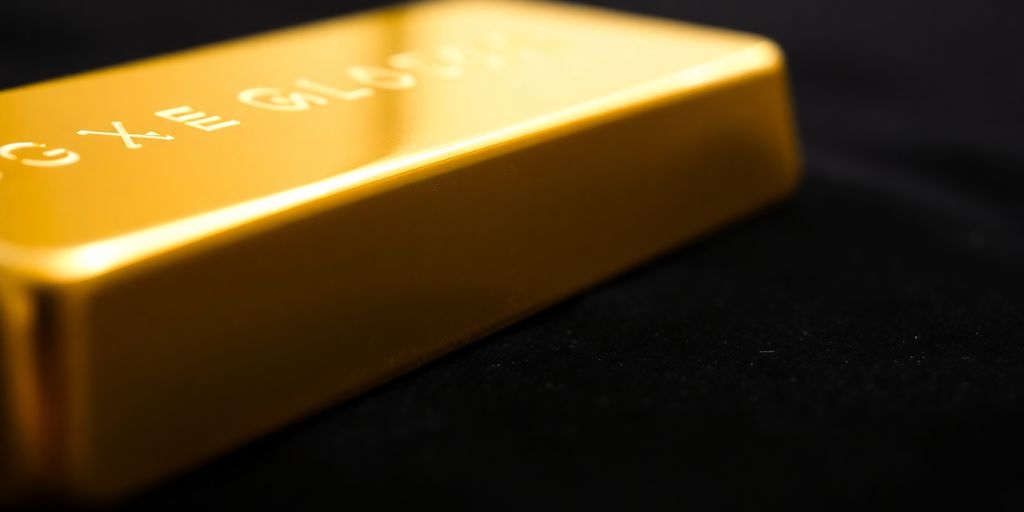
In the world of gold investing, one size doesn't fit all. The beauty of this market lies in its ability to adapt to everyone's needs and budgets. Gold bars come in a variety of weights, thus providing valuable flexibility for investors.
Variety of weights available on the market
Forget the idea that gold is reserved for the wealthy. The market offers a wide range of weights, from a few grams to several kilograms. This diversity allows everyone to find the product that suits their budget and goals. There are bars of 1 gram, 5 grams, 10 grams, and so on, up to imposing bars of one kilo and more. This range is a major asset for attracting a diverse audience.
Ingots and micro-ingots for all budgets
Gold bars and micro-bars are particularly attractive for those on a budget. They allow you to invest in gold without having to spend large sums. It's a great way to get started and familiarize yourself with the market. These small units are also easier to store and resell. Imagine being able to acquire a micro-ingot each month, thus gradually building up a gold reserve.
The troy ounce as a unit of measurement
The troy ounce is a key unit of measurement in the world of precious metals. It is equivalent to approximately 31,1 grams. Many bullion bars are expressed in troy ounces, making it easier to compare prices and values. Familiarizing yourself with this unit is important for better understanding the gold market. Here are some key points to remember about the troy ounce:
- Standard unit of measurement for precious metals
- Equals 31,1034768 grams
- Used to rate the gold price on international markets
The flexibility of gold bar weights is a significant advantage for investors. It allows them to diversify their portfolios, tailor their investments to their budget, and take advantage of market opportunities, regardless of their resources. This is a major asset for democratizing access to gold and encouraging long-term investment.
The value of the weight in gold
The impact of weight on the value of the ingot
When it comes to gold, weight is everything. The heavier the bar, the higher its value—it's as simple as that. Imagine a scale: on one side, the weight of the bar, on the other, its value. It's directly proportional. But be careful, it's not the only factor that comes into play. The purity of the gold, its provenance, and even the reputation of the smelter can influence the price. However, weight remains the basis of the calculation.
The fluctuation of value according to the gold market
The value of a gold bar, while closely tied to its weight, isn't static. It dances to the rhythm of the gold market, a global marketplace where supply and demand meet and clash. Economic events, geopolitical crises, interest rates—all have an impact on the price of gold. One day, your bar could be worth a fortune, the next, a little less. That's the game of investing. You have to monitor trends, analyze, and, above all, not panic at the first fluctuation. To track these fluctuations, it's important to consult a live gold price.
The price of gold and its influence
The price of gold is a bit like the weather: everyone talks about it, but no one can really predict it with certainty. It's influenced by a multitude of factors, from central bank decisions to rumors of war. This price serves as a benchmark for setting the price of bullion, but also gold coins and other derivatives. It is expressed in dollars per troy ounce (approximately 31,1 grams).
It is important to understand that the Gold prices is an indication, a starting point. The final price of an ingot will also depend on transaction costs, intermediary margins, and the premium, which represents the difference between the spot price and the sale price.
Here are some elements that influence the price of gold:
- Inflation: In times of inflation, gold is often considered a safe haven.
- Interest rates: Low rates make gold more attractive.
- Geopolitical crises: Uncertainty drives investors towards gold.
Essential characteristics of a one-kilo ingot
Purity and fineness of the precious metal
When it comes to a one-kilogram ingot, purity is the name of the game. We don't want strange alloys, we want real gold. Most bars have a purity of 999.9, meaning they are 99.99% pure gold. It's a bit like buying orange juice without the pulp, but in a luxury version. This finesse is super important because it directly influences the value of the ingot. The purer it is, the more expensive it is. Logical, right?
Unique serial number for traceability
Imagine a world without serial numbers on ingots. Total chaos! Every one-kilogram ingot has a unique serial number. It's a bit like its fingerprint. This number allows the ingot to be tracked, to know where it came from, who made it, and through whose hands it passed. This is super important to prevent counterfeiting and ensure that the gold bar is indeed authentic. Without this number, it's a bit like trying to find a needle in a haystack.
Certificate of authenticity and seals
A one-kilogram ingot is a bit like a luxury product. It must come with its papers. A certificate of authenticity is proof that the ingot is what it claims to be. It is issued by the smelter and attests to the purity, weight, and serial number of the ingot. The seals guarantee that the ingot has not been tampered with since its manufacture. It's a bit like the tape on a pizza box; you know it hasn't been opened en route. Without a certificate, it's a bit like buying a car without a registration document; you don't really know what you're getting.
A one-kilo ingot is a serious investment. Therefore, you must ensure that it is authentic and has not been tampered with. The serial number, certificate of authenticity, and seals are all guarantees for the buyer.
The Importance of Purity for Actual Weight
When we talk about gold bars, we often think of the displayed weight, like a kilo, as a fixed benchmark. But in reality, it's a little more nuanced than that. The purity of the gold, or its assay, plays a huge role in the actual weight of the bar. It's a bit like when you buy orange juice: you want to know how much juice there really is, not just sugary water, right?
The amount of gold contained, a crucial factor
What really matters is the amount of fine gold in the bar. A one-kilo bar isn't necessarily made of one kilo of 100% pure gold. It may contain other metals, added for durability or cost reasons. These metals, even in small quantities, influence the total weight. That's why you should always check the certificate of authenticity, which precisely indicates the gold content of the bar.
Weight differences depending on the titration
Two bars with the same nominal weight (e.g., 1 kg) may have slightly different amounts of fine gold. A bar with a fineness of 999,9‰ (often referred to as "pure gold") will contain more gold than a bar with a fineness of 995‰. The difference in weight, although small, is important to investors because it directly affects the value of the investment. Imagine, you buy a gold bar thinking you have a certain amount of gold, and in fact, you have a little less! That changes the game.
Purity expressed as a percentage or in carats
Gold purity can be expressed in two main ways: as a percentage (or thousandths) or in carats. A 99,99% pure gold bar is also called 24-karat gold. The higher the percentage or number of carats, the greater the amount of pure gold in the bar. It's a bit like comparing two bottles of wine: you look at the alcohol percentage to determine which one is stronger, right?
It's important to remember that the weight displayed on a bar is the gross weight. To determine its true value, you need to consider its fine weight, which is the amount of pure gold it contains. This amount determines the bar's intrinsic value and is taken into account when making transactions.
Here is a small table to illustrate this:
| Titration (‰) | Carats | % pure gold | Weight of pure gold in a 1 kg ingot (approximately) |
|---|---|---|---|
| 999,9 | 24 | 99,99% | 999,9 grams |
| 999,0 | Close to 24 | 99,90% | 999,0 grams |
| 995,0 | Less than 24 | 99,50% | 995,0 grams |
So, the next time you look at a 1kg bar, remember: it's not just about weight, it's about purity! That's what makes all the difference.
The one-kilo ingot: a benchmark investment
Advantages of the 1 kilo ingot for investment
The 1 kilo bar is often considered a wise choice for those looking to invest in physical gold. It offers a good compromise between value and handling. It is a format that allows you to invest large sums without requiring excessive storage space.
Here are some key benefits:
- A tangible and secure investment.
- A safe haven in times of economic uncertainty.
- Portfolio diversification.
Investing in a 1kg ingot is a safe, globally recognized asset that's easy to store. It's a smart choice for those looking to protect themselves against inflation and financial crises.
LBMA Certification and Global Recognition
LBMA (London Bullion Market Association) certification is a guarantee of quality and authenticity for gold bars. A one-kilogram LBMA-certified bar is recognized and tradable worldwide. This certification ensures that the bar meets the strict purity and weight standards established by the association. It is essential for ensuring investor confidence and facilitating the resale of the bar on the international market. To learn more about investment rules, it is important to find out.
Low spread and stable premium
Another advantage of the 1kg bar is its low spread, i.e., the difference between the buying and selling price. This means you buy and sell gold as close as possible to its spot value. In addition, the premium, which represents the costs associated with purchasing the bar, is generally stable, which helps avoid unpleasant surprises during your transactions. This stability and low spread make the 1kg bar an attractive investment for those looking to minimize transaction costs.
Disadvantages and Challenges of the One Kilo Ingot
Lack of liquidity and non-fractionability
The main disadvantage of a one-kilo ingot is its lack of flexibility. You cannot divide it to resell only part of it. Imagine you need less money than the full value of the bar. You'll have to sell the entire bar, even if you only need a small portion of its value. It's a bit like having a 500 euro note when you only need 5 euros to buy bread. Not very practical, is it? This can be problematic if you need cash quickly and don't want to part with your entire gold investment. There are gold ingots smaller sizes.
No capital gain on the premium
Unlike gold coins, where the premium (the difference between the gold price and the selling price) can fluctuate and potentially generate a capital gain, the premium on a 1-kilo bar is generally low and stable. This means you can't expect to make money from the movement of this premium. The advantage of a stable premium here becomes a disadvantage, as it limits profit opportunities. It's a bit like buying a house in a neighborhood where prices are already at their highest: there's little chance of making a big profit when you resell it.
Risks associated with counterfeiting and fodder
Unfortunately, the gold market is not without risks, and counterfeiting is a reality. A one-kilo bar, due to its significant value, is a prime target for counterfeiters. The so-called "fodder" scam involves replacing part of the gold inside the bar with a less precious metal, while maintaining a similar weight. This makes detection more difficult. It is therefore crucial to take precautions and contact trusted, LBMA-certified sellers, and to carefully check the bar's certificate of authenticity and serial number.
Purchasing a one-kilogram ingot carries risks that should not be overlooked. Vigilance is essential, and it's imperative to seek advice from recognized professionals to avoid unpleasant surprises. The security of your investment depends on it.
Despite the advantages, the 1 kilo bar does have some drawbacks and challenges. Its high price can make it difficult for some to purchase. Furthermore, storing it safely requires careful consideration. It's also less easy to sell in small quantities if you need money quickly. To learn more about the different investment options and find the one that's right for you, visit our section dedicated to gold ingots.
In short: weight is important, but that’s not all!
So, we've seen that the weight of a gold bar is a bit like the size of a piece of clothing: it matters, but it's not the only thing that determines its value. Whether it's a small one-gram ingot or a large 12,5-kilo block, the important thing is the amount of pure gold inside. And then there's the certification, the serial number, all that. That's what gives you confidence. So, if you ever come across a bar, don't just rely on its appearance. Look closely at all the details. That's what makes the difference between a simple piece of metal and a real treasure.
Frequently Asked Questions
What is the exact weight of a one kilo gold bar?
A one-kilogram gold bar weighs exactly 1000 grams. This is a standard weight for investors looking to buy a large amount of gold.
What is the purity of a one kilo gold bar?
Purity is the amount of pure gold in the bar. For a one-kilo bar, the purity is often very high, around 99,99%. This is important because it ensures the value of the gold.
Do 1 kilo gold bars have a serial number?
Yes, each one-kilo gold bar has a unique number engraved on it. It's like an ID card for the bar, allowing you to know where it came from and track it.
Why choose a 1 kilo ingot for investment?
A 1-kilo bar is a good choice for investing large sums. It is recognized worldwide and has lower selling or buying fees than smaller bars.
What are the disadvantages of a 1 kilo gold bar?
The main concern is that it can't be cut. If you need money, you have to sell the entire bar, even if you only need a small portion of its value. There's also a risk of counterfeiting, so you have to check its authenticity carefully.
Are there other weights of gold bars?
Yes, ingots come in a variety of sizes, from tiny (a few grams) to very large (several kilos). This allows everyone to find an ingot that fits their budget and needs.