Are you wondering where the world's most important gold exchanges take place? That's an excellent question, because the gold market is quite vast and complex. There are several hubs where gold is traded, bought, and sold, and each one has its own significance. Let's explore the world's major gold markets together so you can better understand how it all works.
Key Takeaways
- London, via the LBMA, remains a global benchmark for gold fixing and over-the-counter transactions, ensuring great fluidity.
- Shanghai is gaining momentum with the SGE, becoming a major player in the physical market and influencing prices through strong Chinese demand.
- New York, along with the Comex, is essential for futures contracts, attracting speculators and institutional investors seeking to hedge.
- India is distinguished by a very strong cultural demand, particularly for jewelry, making this country a leading buyer of gold.
- Zurich, thanks to Swiss banks and their refineries, is a major global supplier of the yellow metal, handling a significant share of the trade.
London, the nerve center of the gold market
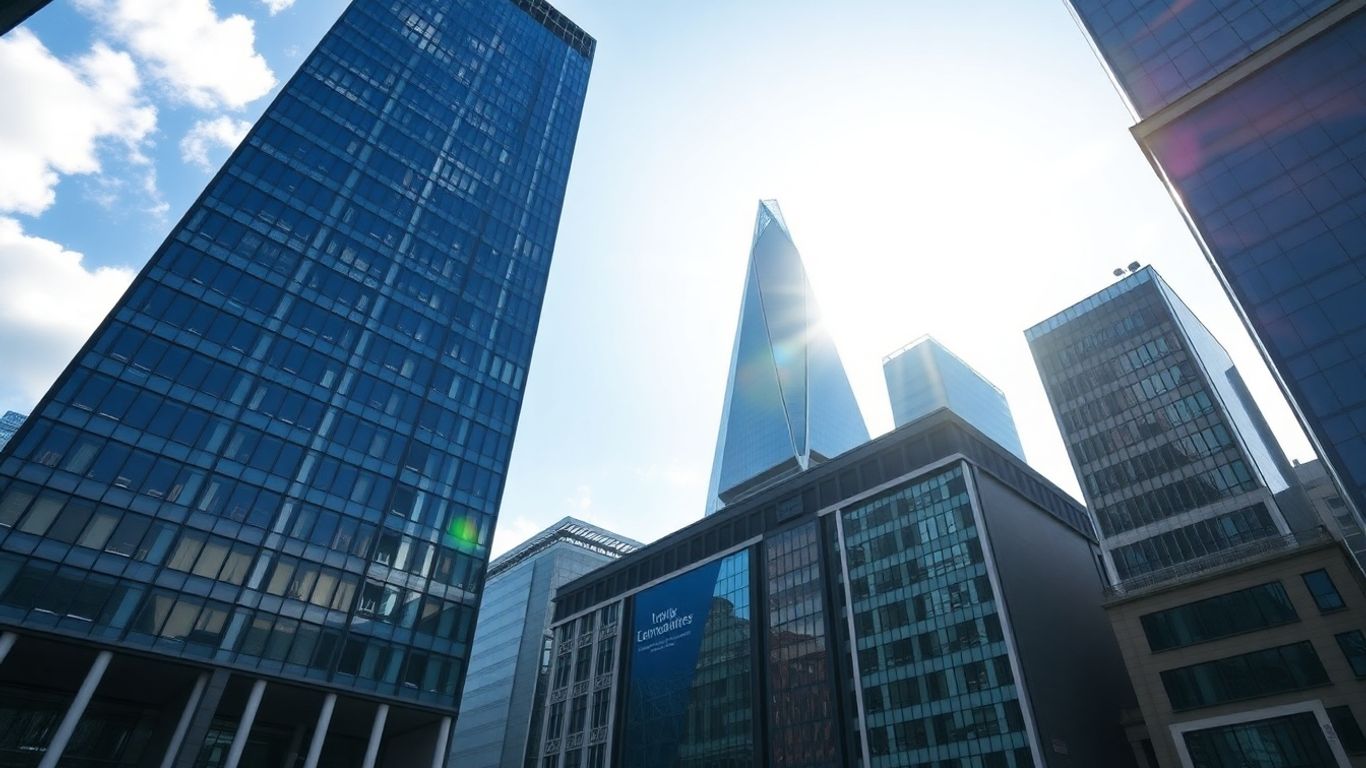
London is the beating heart of the global gold market. If you're interested in gold, you're bound to hear about this city. It's where a lot of decisions are made, and it's quite fascinating to see how it works.
The London Bullion Market Association (LBMA) and its role
The LBMA is a bit like the governing body for the gold trade. It brings together a host of major players: banks, traders, transporters—in short, everything that has anything to do with precious metals. Its role is to bring order to everything, to ensure that transactions run smoothly and that standards are met. It's thanks to the LBMA that the market is as fluid as it is.
The gold fixing: a global reference
You may have already heard of 'fixing'. It's a key moment of the day when the gold price is established. Imagine a sort of auction room where buyers and sellers meet, and if the quantities don't match, the price adjusts. The LBMA organizes this fixing twice a day, and the resulting price serves as a benchmark worldwide. It's a bit like the thermometer of the gold market. The times are quite precise: 10:30 a.m. and 15 p.m. London time (GMT), Monday to Friday. This is an important time to understand where the gold price.
Over-the-counter transactions and market fluidity
In London, a large proportion of transactions are conducted over-the-counter (OTC), i.e., directly between two parties, without going through a centralized exchange. This makes things much faster and more flexible, especially for large volumes traded between banks and large companies. This method, combined with the presence of many specialized players, makes the London market incredibly liquid. Gold can be bought or sold very easily, which is essential for such a large market.
London is truly the nerve center where supply and demand meet very efficiently, influencing global prices.
It is this combination of organization, transparency in pricing and flexibility in transactions that makes London a pillar of the gold market.
Shanghai, the rise of the Chinese gold market
You may have heard of London as the gold center, but let me tell you, Shanghai is becoming a major, if not the largest, player on the world stage. It's quite fascinating to see how quickly this market has grown.
The Shanghai Gold Exchange (SGE) and the physical market
The heart of this market is the Shanghai Gold Exchange, or SGE. It's not just another exchange; it's the largest physical gold market in the world. Imagine a place where you can actually get your hands on gold, not just contracts. That's what attracts a lot of people, from investors to individuals who want to own tangible metal. The SGE has really paved the way for China to become a major player. They've made it much easier for everyone to access physical gold.
The impact of Chinese demand on global prices
When China buys gold, the whole world feels it. Chinese demand is huge, especially during traditional holidays like Chinese New Year. That's when you really see the influence this market has on overall prices. If demand explodes in China, prices tend to follow. It's a bit like an engine pulling the market upwards. China is also a major importer, which further strengthens its influence in the international gold trade.
China, the largest consumer and producer of gold
And that's not all, China is not only a major buyer, it's also the world's leading gold producer. Pretty impressive, right? This dual role as the world's leading producer and consumer makes China a key pillar of the gold market. Chinese culture places great importance on gold, seeing it as a symbol of wealth and prosperity. This ensures constant demand, which is great for the market. It's a bit of a virtuous circle: they produce, they consume, and it influences the entire world. If you want to understand the gold market today, you can't ignore China's place in global production.
The Shanghai market has transformed the way gold is traded, emphasizing the physical and channeling massive domestic demand that has global repercussions.
New York and the Role of Gold Futures
New York is the beating heart of the gold futures market. You may have heard of Comex, which is part of the CME Group. This is where a large portion of futures trading takes place, and it has a direct influence on global prices. Basically, Comex allows people to bet on whether gold will rise or fall. Gold prices in the coming months. It's a bit like a prediction game, but with gold.
Comex, a major platform for futures contracts
The New York Commodities Exchange, or COMEX, is a key financial center for gold trading. This is where the majority of futures contracts for this precious metal are traded. These contracts are agreements to buy or sell gold at a price set today, but for future delivery. It's a bit like booking your gold in advance, but with the ability to speculate on its price.
Speculation and influence on market volatility
The futures market is also a playground for speculation. Many players, such as hedge funds, use these contracts to try to make quick profits by anticipating price movements. This activity can make the market quite volatile, meaning prices can go up or down very quickly. It's a bit like a roller coaster, and you have to be prepared for that if you're interested in it. Movements on the Comex can really influence the gold prices on international markets.
Institutional Investors and Inflation Hedging
What's interesting is that big players, like institutional investors, often use the Comex to hedge their bets. They buy futures contracts to hedge against inflation—that is, to ensure that their money retains its value even if prices rise. This is a fairly common strategy for those who manage large sums of money and want to secure their wealth over the long term. Essentially, they use gold as a kind of insurance against economic contingencies. It's a way to stay ahead when things get a little uncertain in the global economy.
India, a market culturally rooted in gold demand
The demand for gold for jewelry and ornaments
In India, gold isn't just an investment; it's an integral part of the culture and traditions. You'll find that gold is primarily used to make jewelry and ornaments. It's a symbol of status, prosperity, and good fortune. Indian families hoard gold over several generations, considering it an essential store of value. Artisan jewelers play a key role, transforming the precious metal into magnificent pieces that are often passed down from mother to daughter.
The impact of festivals and wedding season
If you look at the Indian calendar, you'll notice that the demand for gold literally explodes during certain periods. Major festivals like Diwali, but especially the wedding season, which spans several months, see a massive increase in gold purchases. Gifting gold at a wedding is a deeply rooted tradition, a token of wealth and happiness for the newlyweds. It's almost as if the entire country started buying gold at the same time!
India, world's second largest gold buyer
It must be said, India is a giant in the gold market. The country ranks just behind China in terms of global consumption. The figures are impressive: hundreds of tons of gold are imported each year to meet this demand. Indian households hold considerable quantities of gold, often far more than central banks own. The government is also trying to mobilize this private gold by offering gold-linked financial products to reintroduce it into the formal economy. It's a fascinating market due to its volume and deep cultural roots.
Zurich and Swiss banks, key players in the gold trade
When it comes to gold markets, it's impossible to overlook Switzerland, and more specifically Zurich. This country, known for its neutrality and stability, has built a solid reputation in gold trading. Swiss banks, in particular, play a leading role. They don't just store gold; they refine it and handle a large portion of global transactions.
Swiss Banks' Gold Refineries
Major Swiss banks own their own refining facilities. This is where raw gold, often sourced from mines around the world, is transformed into high-purity bars. These bars, which meet international standards such as those of the LBMA (London Bullion Market Association), are then ready to be traded on global markets. It is estimated that Switzerland exports more than 1,000 tons of gold annually, making it a major supplier.
Zurich, the world's leading supplier of yellow metal
Thanks to this refining and trading activity, Zurich has established itself as a key hub for gold. The city is a nerve center where supply and demand meet, facilitating large-scale trade. Switzerland's political and economic stability, as well as its renowned banking system, reinforce this position.
Management of gold trading by financial institutions
Swiss financial institutions are not limited to refining. They are also major players in gold flow management, whether for central banks, investment funds, or private clients. They offer secure storage, trading, and advisory services, making Switzerland a trusted partner for all gold market participants.
Switzerland has a long history with gold, dating back centuries. Its neutrality has allowed it to keep its reserves intact through conflicts, strengthening its position as a guardian of wealth.
Here are some key points regarding Switzerland's role:
- Advanced Refineries : Swiss banks operate some of the most advanced refineries in the world.
- Export volume : More than 1,000 tons of gold are exported each year, testifying to the country's importance.
- Stability and confidence Switzerland's reputation for political and financial stability attracts investors.
- Comprehensive financial services : Offering storage, trading and asset management related to gold.
Dubai, a strategic crossroads for the gold trade in the Middle East
When it comes to gold markets, it's impossible to overlook Dubai. This city, a true crossroads in the Middle East, is playing an increasingly important role in the global gold trade. If you're interested in this market, you've probably heard of the Dubai Gold & Commodities Exchange (DGCX). It's the main platform for gold futures contracts throughout the region. It's where many major transactions take place, influencing prices far beyond the Middle East.
The Dubai Gold & Commodities Exchange (DGCX) and the physical market
The DGCX is the beating heart of gold trading in Dubai. It's not just about futures contracts, but also a strong connection to physical gold. The city is a key gateway, connecting East and West, making gold trading particularly fluid here. Dubai's tax advantages also attract many investors, further boosting the market.
The impact of Chinese demand on global prices
Although Dubai is a major center, it's interesting to note how demand from other regions, such as China, can have an impact. For example, during traditional Chinese festivals, demand for gold surges. These massive purchases, often made through markets like Shanghai, can drive global prices. It's a bit like a chain reaction: what happens in China is felt in Dubai, and vice versa.
An attractive trading center for investors
What makes Dubai so special for investors is its business environment. Taxes are generally lower than elsewhere, and the tax regime is quite favorable. This creates a favorable business climate. Moreover, the Dubai Gold Souk is an experience in itself. It's a legendary place where you can buy physical gold, and it attracts a lot of people, from tourists to collectors to investors.
Dubai has established itself as a key hub for the gold trade, benefiting from its geographical location and favorable economic policies. Its ability to connect markets and attract investors makes it a key player in the global gold economy.
Tokyo, the commodities market and gold
You know, Japan also has its role to play in the world of gold. When we think of financial markets, we often think of London or New York, but Tokyo has its own place, especially with its commodities market. That's where it happens for a lot of metals, and gold is no exception.
The Tokyo Commodity Exchange (TOCOM)
TOCOM is a bit like the large market where all kinds of raw materials are traded in Japan. Historically, it was mainly known for gold.
Tokyo is an important place for the precious metals trade. Did you know that the Gold prices Is it very popular? If you'd like to learn more about buying or selling gold, visit our website to see our offers.
So, what do we take away from all this?
So, that's a quick overview of the gold markets. It's clear that gold moves quite a bit, and it's not just happening in London or New York. Whether you're an expert or just curious, I hope this has shed some light on where gold is really circulating. Remember that the market is evolving, so staying informed is always a good idea if you're interested in this precious metal. It's a bit like following the weather, but for your wallet!
Frequently Asked Questions
Why is London so important to the gold market?
London is like the beating heart of the gold market. It's home to the LBMA, a sort of club of major gold players. They set the reference price for gold twice a day, which influences everyone. In addition, a lot of gold is bought and sold directly between major companies, making the market very active.
How does China influence the price of gold?
China is a huge buyer of gold. When people in China buy a lot of gold, for example, for gifts or holidays, it drives up prices around the world. Since China also produces a lot of gold, it's a very important player in moving the market.
What is New York's role in the gold trade?
In New York, we mostly talk about gold futures. It's a bit like betting on the future price of gold. Large banks and investment funds use this platform a lot to try to make money or to protect themselves if the economy does badly. This can make the price of gold a little more volatile.
Why is India such an important market for gold?
In India, gold is more than just an investment—it's a tradition! People buy a lot of it for jewelry, especially during weddings and festivals. This high demand, especially at certain times of the year, has a big impact on gold prices worldwide. India is the second-largest buyer of gold in the world.
What makes Swiss banks important for gold?
Swiss banks don't just store gold, they also process it! They have factories that purify the gold. Thanks to this, Switzerland is the world's largest gold supplier. They handle a lot of transactions, which is extremely important for the market.
What is Dubai's role in the gold market?
Dubai is a bit like a gold hub in the Middle East. There's a gold exchange and a famous place, the Gold Souk, where you can buy gold directly. It's a popular place for buyers because taxes are often lower, making it an attractive trading location.