Are you wondering what the international standards for gold purity are? It's an excellent question when considering investing in or simply buying jewelry. Gold, this precious metal that has always fascinated us, has very specific standards to guarantee its quality. We're not just talking about color, but rather its pure metal content. So, how do you navigate the world of carats, thousandths, and certifications? This article will shed light on the standards that govern gold purity worldwide.
Key Takeaways
- The purity of gold is measured primarily in carats (K) and thousandths (‰), where 24 carats or 999,9‰ represents the purest gold.
- The LBMA's 'Good Delivery' standard is the international benchmark for investment gold, guaranteeing a minimum purity of 99,5% and high production standards.
- The different levels of purity, such as 24K gold (ingots, coins), 18K (luxury jewelry), 14K and 9K (everyday jewelry), have various uses depending on their resistance and value.
- Hallmarks and certificates of authenticity are essential to verify the purity of gold and attest to its conformity to established standards.
- Investment gold, particularly in the form of ingots, has a very high purity (often 999,9‰) and must be accompanied by certificates to guarantee its acceptance on global markets.
Understanding gold purity standards
When we talk about gold, we often think of its bright yellow color and its value. But did you know that not all gold is created equal? Its purity is like its identity card, and it makes all the difference to its value and uses. It's therefore extremely important to understand how this purity is measured.
The measurement of gold fineness: carats and thousandths
To discuss the purity of gold, two main systems are used: the carat system and the thousandth system. It's a bit like measuring temperature in Celsius or Fahrenheit; it gives the same information but in a different form.
- The carat (K) system This is the one you see most often for jewelry. On a scale of 24, 24 karats represents the purest possible gold. So, an 18-karat piece of jewelry, for example, contains 18 parts gold out of 24, the rest being other metals. This is what is called an alloy.
- The thousandth (‰) system This one is more precise and primarily used for investment gold, such as bars and coins. It indicates the proportion of pure gold per thousand parts of metal. For example, 999,9‰ means that out of a thousand parts, 999,9 are pure gold. This is what is called fine gold.
Here is a small table to help you see things more clearly:
| Carats | Thousandth (‰) | Percentage of gold | Description |
|---|---|---|---|
| 24K | 999 to 999,9‰ | 99,9% to 100% | Pure gold (or very close to it) |
| 22K | 916 ‰ | 91,6% | High purity gold |
| 18K | 750 ‰ | 75% | Common in jewelry |
| 14K | 585 ‰ | 58,5% | Durable alloy |
| 9K | 375 ‰ | 37,5% | Alloy more common in some countries |
The importance of purity for the value of gold
The purity of gold is the number one factor determining its value. The purer the gold, the rarer it is, and therefore the more expensive it is. That makes sense, doesn't it? A 24-karat gold ingot will always be worth more than a 14-karat gold piece of jewelry, even if they weigh the same, because the former contains significantly more pure gold.
Pure gold is more malleable and more susceptible to scratches. That's why, for jewelry meant for everyday wear, alloys like 18 or 14 karat are often preferred. These alloys with other metals (such as copper or silver) make gold more durable and give it a range of hues, from pale yellow to pink.
The different levels of gold purity
There are several levels of purity, each with its specific uses:
- 24-carat gold (999‰ or higher) This is the purest gold you'll find on the market. It's often used for bullion and investment coins, as its value is directly related to its pure gold content. It's also used in high-tech electronics and some works of art.
- 22-carat gold (916‰) It is often found in historical investment pieces and in some traditional jewelry, particularly in Asia. It offers a good balance between purity and durability.
- 18-carat gold (750‰) This is a very common standard in jewelry in the Western world. It is pure enough to have a beautiful color and significant value, while also being durable enough for everyday wear.
- 14-carat gold (585‰) More affordable and more durable than 18-karat gold, it is very popular, especially in the United States. It is perfect for jewelry that will experience more wear and tear.
- 9-carat gold (375‰) Although it contains only 37,5% pure gold, it is still considered gold and is used in some markets due to its lower price. It is important not to confuse it with gold plating.
Understanding these different measurements will help you better appreciate the value and characteristics of the gold you own or are considering buying, whether for investment or jewelry. This is the foundation for buying physical gold wisely.
International standards for investment gold
When it comes to investment gold, it's not enough to simply look at its color or weight. You need to understand the rules of the game, the ones that guarantee your gold is indeed gold, and of the highest possible quality. This is where international standards come in. They are there to assure you that what you buy is authentic and has a value recognized worldwide.
The LBMA Good Delivery standard
The London Bullion Market Association (LBMA) acts as a kind of guardian of gold purity in the global market. For a gold bar to be considered investment-grade gold, it must meet the "Good Delivery" standard. Essentially, this means the bar must have a minimum purity of 99,5% (often 99,9% or higher for investment gold) and adhere to strict manufacturing and weight criteria. Bars that meet these standards are accepted by all major banks and financial institutions. It's a bit like a passport for your gold, allowing it to travel and be traded without any issues.
The role of certified refiners
To obtain this "Good Delivery" gold, you must go through refiners. These are specialized companies that take raw gold and purify it to reach the required levels of fineness. Refiners certified by the LBMA are those whose processes have been reviewed and approved. They are therefore considered reliable. When you buy a gold bar, it is often stamped with the refiner's name. This gives you an additional guarantee of the quality and origin of your gold. Think of it as a mark of trust on a luxury product.
The meaning of hallmarks and certificates
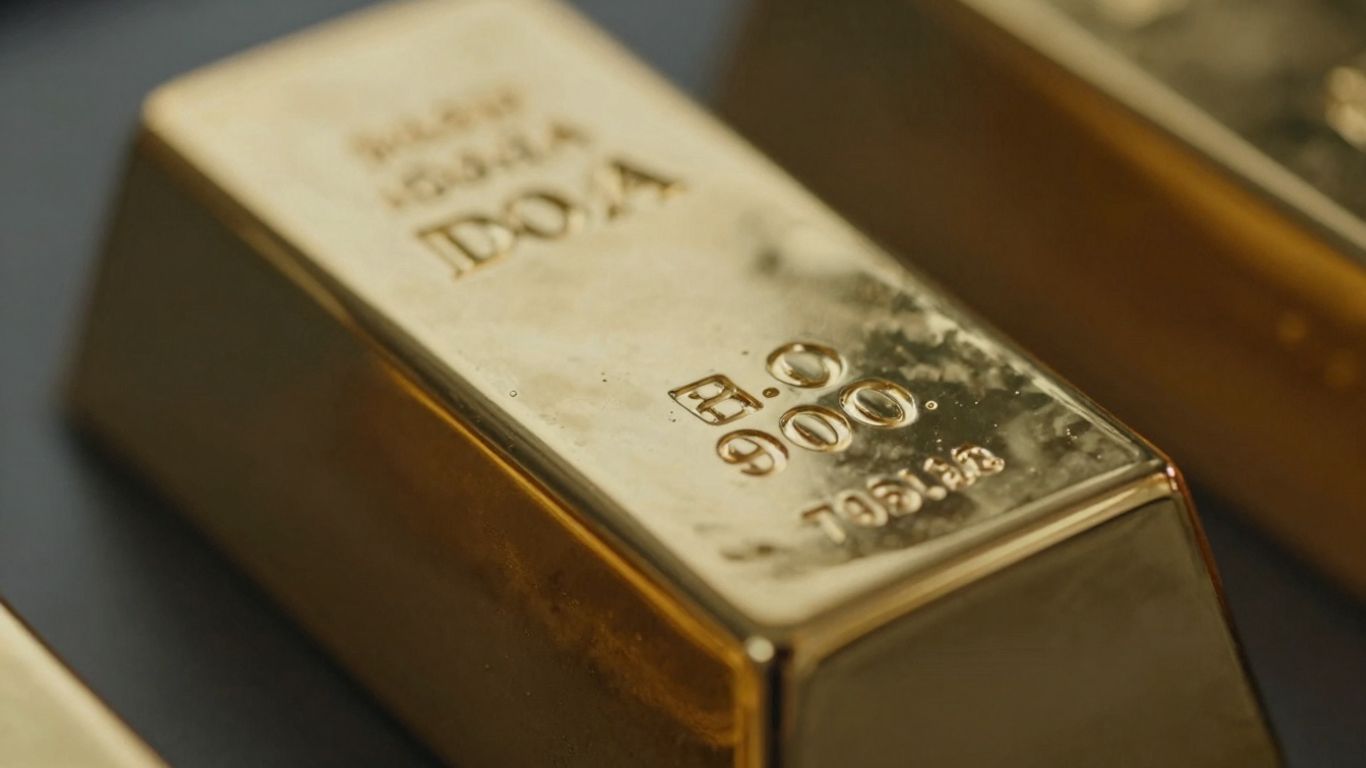
How can you be sure your gold bar is genuine? That's where hallmarks and certificates come in. A hallmark is a mark engraved directly onto the bar. It usually indicates the weight, the purity (often expressed in thousandths, such as 999,9‰ for 99,99% pure gold), and the name of the refiner. The certificate of authenticity, on the other hand, is a document that accompanies the gold bar. It details all this information and confirms that the bar was produced according to established standards. It's a bit like your gold bar's birth certificate, proving its identity and value. These elements are essential to ensure you're investing in quality gold and to facilitate its future resale.
The different purities of gold and their uses
When discussing gold, it's important to understand that its purity varies. This purity, measured in carats or thousandths, directly influences its value, appearance, and durability. Understanding these differences helps you make informed choices, whether you're looking for jewelry or an investment.
24-carat gold: maximum purity
24-karat gold is gold in its purest form, 99,9% pure gold. It's also called 'fine gold'. It has the intense, bright yellow color often associated with gold. It's the most precious, but be aware that it's also quite soft. It scratches and deforms easily, making it less ideal for everyday jewelry. However, for investments like bars or certain coins, it's the standard. Its high purity guarantees stable value and international recognition. If you're looking to buy physical gold, you'll often see bars certified 999,9‰, which corresponds to 24 karats. This is the benchmark for... investment gold buyers.
Gold alloys: 18, 14 and 9 carats
To make gold more durable and affordable, it is mixed with other metals. This is called an alloy. These mixtures change the color and hardness of gold.
- 18 carat gold (750 thousandths) It contains 75% pure gold. This is a good compromise between the richness of gold and durability. It is often found in quality jewelry because it is resistant enough for everyday wear while retaining its beautiful color.
- 14 carat gold (585 thousandths) With 58,5% pure gold, it is even more durable and affordable than 18-karat gold. It is a popular choice, especially in the United States and Europe, for jewelry that needs to withstand the rigors of daily life.
- 9 carat gold (375 thousandths) It contains only 37,5% pure gold. Although less pure, it is still different from gold plating. It is very durable and economical, often used for costume jewelry or entry-level pieces.
The purity of gold in ingots and coins
When it comes to investing, purity is paramount. Gold bars, for example, generally aim for the highest possible purity, often 999,9‰ (or 24 carats). This is the case for bars certified Good Delivery by the LBMA. Investment gold coins, such as the Krugerrand or the Maple Leaf, sometimes have a slightly lower purity (for example, 22 carats for the Krugerrand) to improve their durability. However, even with a lower purity, their value is calculated based on their weight in pure gold, plus a premium related to their rarity or history.
It is essential to understand the difference between gold purity and its value. While 24-karat gold is the purest and therefore the most expensive per gram, alloys like 14 or 18 karat are often preferred for jewelry making due to their durability. For investment purposes, the highest possible purity is generally sought to guarantee the best resale value and seamless international acceptance.
Gold purity verification and certification
When you buy gold, whether for investment or jewelry, you want to be sure of what you're getting, right? That's where verification and certification come in. They give you that assurance. Without them, how can you know if you're getting real pure gold or just a pretty golden metal? It's a bit like buying a car without checking the engine—you're taking a huge risk.
Testing methods for gold purity
There are several ways to ensure the purity of gold. Some are quite simple, others more technical. Here are the most common:
- The acid test: It's a fairly old method. The gold is rubbed on a touchstone to leave a mark, then a specific acid is applied. Depending on the reaction (or lack thereof), the purity can be determined. It's quick, but it can leave a small mark on the object being tested, so it's mainly used for items that aren't intended for immediate resale or for preliminary testing.
- X-ray fluorescence (XRF): It's a more modern and non-destructive technique. A device emits X-rays that interact with the metal. By analyzing the reflected light, the exact composition of the alloy, and therefore the purity of the gold, can be determined without damaging the object. It's very precise and used by professionals.
- Punching: It's a hallmark applied directly to the gold object. It indicates purity according to established standards. For example, a hallmark might signify 18 carats (750 parts per thousand). This is a first visual indication, but it's important to know that hallmarks can be forged, so it's not always sufficient.
The importance of certified gold
Why complicate things with testing when you can simply buy certified gold? It's much easier and saves you a lot of hassle. Certified gold guarantees that its purity and quality have already been verified by recognized organizations. It gives you true peace of mind.
Buying certified gold ensures an honest investment. You know exactly what you're buying, with no unpleasant surprises. This is the foundation for building lasting trust in the gold market.
The guarantees offered by certificates of authenticity
A certificate of authenticity is like an identity card for your gold coin or ingot. It contains all the important information:
- The exact weight of the object.
- Its purity (often expressed in thousandths, such as 999,9‰).
- The name of the manufacturer or foundry that produced it.
- A unique serial number that allows the object to be traced.
- The date of manufacture or testing.
These certificates are generally issued by the refiners themselves, and for investment gold bars, they are often accompanied by a sealed blister pack that guarantees the bar has not been opened or tampered with since leaving the refinery. It is this combination of certification and secure packaging that gives investment gold its value.
The purity of gold in investment ingots
When we talk about gold bars, we immediately think of purity. It's a bit like the Holy Grail for investors, you see? We don't want just anything; we want something beautiful, pure, and solid. And that's precisely where investment gold bars come into their own.
Gold bars: 999,9‰ purity
So, when you're looking at a gold bar intended for investment, there's one standard you should know: 999,9 parts per thousand, often written as 999,9‰. What does that actually mean? Well, it means the bar is 99,99% pure gold. That's the highest level commercially achievable. It's also called 24-karat gold, but for bars, we prefer to use parts per thousand; it's more precise. This purity is what guarantees its value and recognition worldwide. There's no room for approximations here; we're aiming for excellence.
Ingot manufacturing: stamping and molding
How do we achieve this incredible purity? There are two main methods. First, there's stamping. Imagine super-pure gold sheets that are cut and then pressed under enormous pressure to obtain perfectly uniform ingots with a nickel finish. The other method is casting. Here, the gold is melted and poured into specific molds. Once cooled, it's refined. Both techniques produce high-quality ingots, even if the appearance may be slightly different. What matters is that the result is always the near-pure gold we're looking for.
International recognition of certified ingots
To be sure your gold bar is what it claims to be, there are certifications. The best-known is the "Good Delivery" standard from the LBMA (London Bullion Market Association). It's a bit like the international passport for gold bars. When a gold bar meets these standards, it's accepted everywhere: by banks, financial institutions, buyers… It's a guarantee of quality and purity. Each bar is also marked with a unique number and comes with a certificate of authenticity. It's like an identity card for your gold; it tells you where it comes from, who made it, and above all, that it's indeed 999,9‰ pure. Reassuring, isn't it?
Owning a certified gold bar ensures you have a tangible asset whose value is recognized worldwide, without any unpleasant surprises regarding its composition.
Here is a small table to help clarify the standards:
| Standard / Purity | Description |
|---|---|
| 999,9‰ (or 9999) | Very pure gold, standard for investment ingots |
| 24 carats | Equivalent in carats for 999,9‰ gold |
| Good Delivery (LBMA) | International standard guaranteeing the quality and acceptance of ingots on professional markets |
| Certificate of authenticity | Document accompanying the ingot, attesting to its purity, weight and origin |
| Serial number | Unique identification engraved on each ingot for traceability |
When you buy gold as an investment, it's extremely important that the gold be pure. That's how you ensure its value is real. investment bars They are made for this purpose; they have a very high level of purity, often 99.99%. This is what guarantees their quality and their price on the market. Think about it: a pure gold bar is the best way to make your money grow.
In summary: what you need to know about gold purity
There you have it, now you know how gold is measured and what standards to be aware of. Whether you're thinking of investing in a gold bar or simply buying a piece of jewelry, having this information helps you make more informed choices. Remember that gold purity, often expressed in carats or fineness, is a guarantee of quality and value. So, the next time you look at gold, you'll have a more discerning eye to judge its true essence. It's a bit like choosing a good product at the supermarket—you have to know how to read the labels!
Frequently Asked Questions
What is gold purity and how is it measured?
The purity of gold is a bit like knowing how much pure gold is in an object. Two systems are used: carats (like 18 carats, 24 carats) and the metric system (for example, 999 for 99,9% pure gold). The higher the number, the purer the gold. The purest gold available is often used for ingots.
Why is gold never 100% pure?
That's because pure gold is very soft, like modeling clay! To make it stronger and more durable, it's mixed with other metals, such as copper or silver. This is called an alloy. These mixtures give us golds of different colors and hardnesses, like white gold or rose gold.
What is the difference between 24k gold and 18k gold?
24-karat gold is considered pure gold, with a very high gold content (approximately 99,9%). It is often used for bullion and investment coins because it is so valuable. 18-karat gold, on the other hand, is a mixture: it contains 75% pure gold and 25% other metals. It is more durable and therefore perfect for everyday jewelry.
What is the LBMA 'Good Delivery' standard?
The LBMA (London Bullion Market Association) is a very important organization in the world of gold. The 'Good Delivery' standard means that the gold bars are of very high quality, are pure (at least 99,5%), and have been produced by recognized refiners. It's a bit like a quality label that guarantees the bar is accepted worldwide.
What is the purpose of hallmarks on gold?
Hallmarks are like small marks engraved on gold objects. They serve to certify the purity and quality of the gold. This is a guarantee for you when you buy gold, as it shows that the jewelry or ingot meets certain standards. Each country may have its own hallmarks.
Why are gold bars so pure (often 999,9‰)?
Gold bars intended for investment, such as those meeting the 'Good Delivery' standard, are manufactured to an extremely high purity, often 999,9‰ (meaning 99,99% pure gold). This is because investors seek the most stable and purest value possible. This high purity ensures that the bar has internationally recognized value and will be easily tradable.