You might be wondering if pure gold is still as soft as people say, and what the consequences of this property are, especially when it comes to testing or evaluating it. It's an interesting question that touches on both the very nature of this precious metal and how we interact with it, whether for investment or more technical uses. Let's take a closer look at this together.
Key Takeaways
- The purity of gold, measured in carats or thousandths, is the main factor that determines its value. The purer the gold, the more expensive it is, and this has a direct impact on its resale value.
- Various methods are used to verify purity, such as acid tests or X-ray machines. The presence of hallmarks on jewelry also gives a clear indication of the gold content.
- Pure gold (24 karats) is highly sought after for investment because of its maximum value, but it is also softer. For jewelry, more durable alloys are often preferred, even if they are slightly less expensive.
Is pure gold always soft? Understanding its malleability
When we talk about gold, we often think of its brilliance and value. But have you ever wondered if gold, especially pure gold, is as hard as we might imagine? The short answer is: no, not really. Pure gold is a bit like butter at room temperature; it deforms easily. This is one of its most fascinating characteristics, but also one with important implications, particularly when considering its resale or use.
Measuring the purity of gold: carats and thousandths
To talk about the purity of gold, we mainly use two systems: carats and thousandths. It's a bit like measuring a person's height in centimeters or feet; it gives the same information but on a different scale. Carats are what you hear most often, especially when it comes to jewelry. 24-karat gold is considered the purest, theoretically 100% gold. But in reality, even 24-karat gold isn't always absolutely 100% pure; we usually talk about 99,99%. Other carat levels indicate that gold is mixed with other metals, such as copper or silver, to make it more durable or change its color.
Here's a little preview:
- 24 carats (or 999,9‰) This is the purest gold, often used for investment ingots.
- 22 carats (or 916‰) It is sometimes found in investment coins or certain jewelry.
- 18 carats (or 750‰) : Very common in jewelry, it contains 75% pure gold.
- 14 carats (or 585‰) Less pure gold, but more durable, often used for everyday jewelry.
Why pure gold is more sought after when reselling
When you decide to sell your gold, its purity becomes a determining factor in its value. A pure gold ingot, for example, will always be more sought after than a piece of jewelry made of an alloy gold. Why? Because its value is more direct, easier to assess. There is no
Implications of gold purity for testing and investment
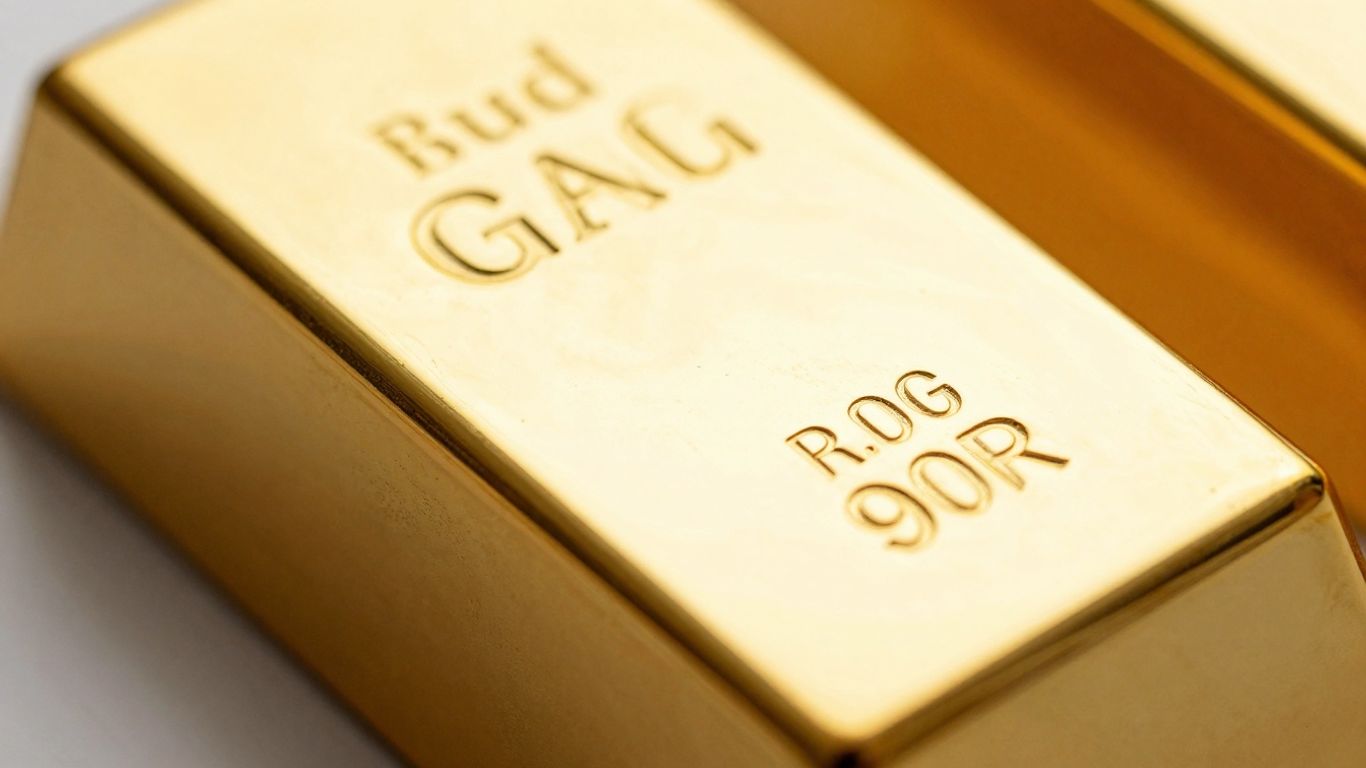
When you think about investing in gold, purity is often the first criterion that comes to mind. And you're right, because it plays a significant role in how you'll be able to invest your money. It's not just a question of whether your gold is more or less shiny; it's a matter of tangible value and how easy it is to resell.
Methods for evaluating the purity of gold
So, how can you tell if gold is truly pure gold, or just a nice alloy? It's a crucial question, especially when considering selling or investing. Fortunately, there are several ways to verify its purity, from the oldest to the most high-tech. Buyers use methods like acid tests or X-ray fluorescence to check the gold content. 24-karat gold (very pure) will always be more valuable than 18-karat gold. For investment-grade gold bars, the purity is generally very high, often 999,9 parts per thousand (or 24 karats). This is what's known as fine gold. Standards like those of the LBMA (London Bullion Market Association) guarantee this quality for internationally recognized gold bars.
Here is an overview of common purity levels:
- 24 carats (or 999,9‰) This is the purest gold, often used for investment ingots.
- 22 carats (or 916‰) It is sometimes found in investment coins or certain jewelry.
- 18 carats (or 750‰) : Very common in jewelry, it contains 75% pure gold.
- 14 carats (or 585‰) Less pure gold, but more durable, often used for everyday jewelry.
The purity of gold, measured in carats or thousandths, is the main factor that determines its market value. The purer the gold, the more expensive it is.
Gold purity: implications for investments
When you decide to sell gold, whether it's jewelry, coins, or bars, the first thing buyers will look at is its purity. It's a bit like selling a car: the overall condition matters, but the mileage and exact model make a big difference to the price. It's the same with gold, but it's the pure gold content that dictates its value. Gold in its purest form, that is, 24 karats (or 999,9 parts per thousand), is always the most sought-after. Why? Because it's gold with the highest intrinsic value and is easier to resell. Investing in pure gold bars (like 999,9 parts per thousand) is often preferred for its intrinsic value and ease of resale, even though it can present risks related to its malleability. Investment gold coins, such as 20 Francs or Sovereigns, have a guaranteed purity (often 900‰ or 920‰) which ensures their value and liquidity on the market, but their value can also be influenced by numismatic factors. Understanding these nuances helps you make better choices. gold investments.
The quality of gold is extremely important, whether you're checking its value or deciding to buy it. Highly pure gold is like a guarantee of quality. It's easier to know exactly what you're buying and to be sure you're making a good investment. Keep that in mind the next time you're looking at gold! To learn more about How to choose your gold wisely, visit our website.
So, what do we take away from all this?
So, now you know that gold purity is truly the key factor when you want to resell it. The purer it is, the more it's worth—it's as simple as that. When you buy gold, whether it's an old coin or a brand-new ingot, keep this criterion in mind. It will help you better understand the price you're being offered and, let's be honest, to negotiate a bit better. Think about it the next time you have gold in your hands!
Frequently Asked Questions
How can you tell if gold is truly pure before buying or selling it?
To check the purity of gold, you can look for small stamps called hallmarks on jewelry or ingots. These indicate the level of purity. Experts also use tests with acids or special machines that use X-rays for greater precision. It's a bit like an identity card for gold.
Is pure gold always the best choice for jewelry?
Not always! Pure gold, like 24-karat, is beautiful, but it's also very soft. It scratches and bends easily. For jewelry worn frequently, alloys of gold with other metals, such as 18 or 14 karat, are often preferred. These alloys make the gold stronger and more durable, even if it's slightly less expensive.
Why are investment gold bars often very pure (24 carats)?
When buying gold as an investment, the goal is to maximize its value. Investment gold bars are made with the purest gold possible (often 99,99%). This makes them easier to trade, and their value depends directly on the price. gold price, without being diluted by other metals. It's a safe and easy-to-understand value.