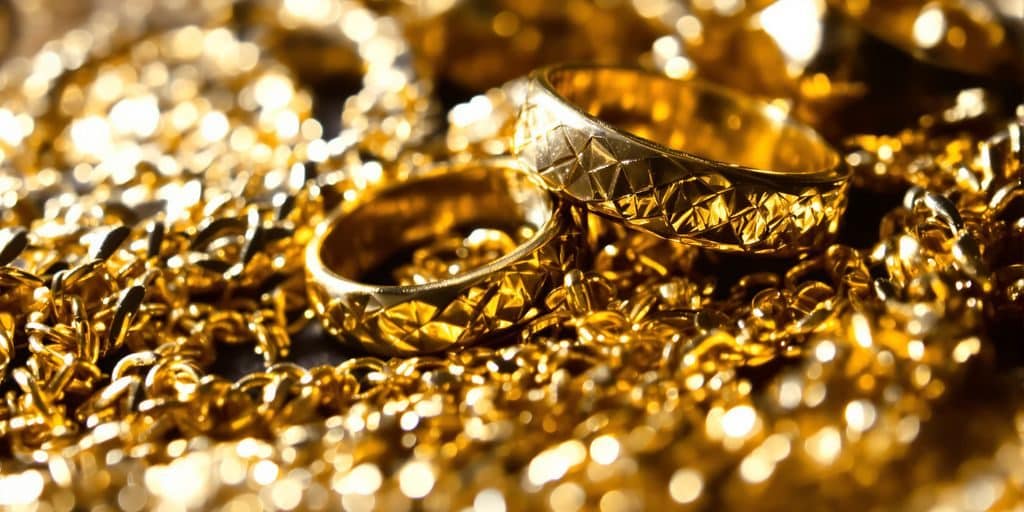
Has your gold jewelry lost its shine? Don't panic! Oxidation, the natural phenomenon that tarnishes metals, may seem inevitable, but there are solutions. Knowing how to prevent oxidation of gold jewelry is the key to maintaining its beauty and value over the long term. In this article, we'll explore simple steps to protect your precious accessories and restore their luster.
Keys to avoiding oxidation of gold jewelry
- Understand that pure gold does not oxidize, but the alloys used in jewelry can react with air and moisture.
- Store your jewelry in a dry, dark place, ideally in individual pouches or a jewelry box.
- Avoid contact with chemicals such as perfumes, lotions, and household cleaners, which accelerate tarnishing.
- Clean your jewelry regularly using gentle methods and appropriate cloths to remove residue.
- Be alert for signs of oxidation such as color changes and act quickly to preserve your pieces.
Understanding the oxidation of gold jewelry
Gold, the precious metal you love to wear so much, can sometimes lose its shine. This phenomenon is called oxidation. But what exactly is it, and how does it affect your jewelry? Basically, oxidation is a chemical reaction. When certain metals come into contact with oxygen in the air or humidity, they change. For gold, it's a little different from silver, which blackens easily. Pure gold is very stable; it hardly oxidizes at all. The problem is that 24-karat (pure) gold is rarely used in jewelry. Why? Because it's too soft; it would warp at the slightest opportunity. So, it's mixed with other metals, such as copper or silver, to make it stronger and give it different shades. This is where the problem lies: it's these other metals in the alloy that can react and oxidize.
What is oxidation and how does it manifest itself?
Oxidation is when a metal reacts with oxygen or other elements in the air. For gold, it's not the gold itself that oxidizes, but rather the other metals that are mixed with it to create the alloy. These metals can react and form a thin layer on the surface of the jewelry. This layer is what causes your jewelry to lose its shine and become dull. Sometimes, it can even give a slight grayish or greenish tint, depending on the metals present in the alloy. It's a bit like a patina that forms, but not always in the way we would like.
Factors that accelerate gold tarnishing
There are several things that can make your gold jewelry oxidize faster. Consider anything that can harm the metal:
- Humidity and water: Wearing your jewelry in the shower, pool, or sea isn't ideal. Water, especially salty or chlorinated water, accelerates the process.
- Chemicals: Perfumes, hairsprays, lotions, creams, and even some household products contain substances that can react with your gold alloy. Try putting on your jewelry after applying perfume or cosmetics.
- Sweat and skin acidity: Your body produces sweat, which has a certain pH. This acidity can also, over time, affect the less noble metals in the alloy.
- Contact with other metals: If your gold jewelry rubs against each other, it can create small scratches where oxidation can more easily set in.
It's important to understand that pure gold is very durable. It's the presence of other metals in the alloy that makes your jewelry more susceptible to tarnishing. The lower the gold content (e.g., 9 karat gold versus 18 karat gold), the more other metals there are, and therefore the greater the risk of oxidation.
Why some gold alloys are more sensitive
As I said, it all depends on the composition of the alloy. Gold is measured in carats, and the higher the carat number, the purer the gold in the jewelry.
| Gold Type | Percentage of Pure Gold | Other Metals (mainly) |
|---|---|---|
| 24k gold | 99,9% | - |
| 18 carat gold (750/1000) | 75% | Silver, Copper |
| 14 carat gold (585/1000) | 58,5% | Silver, Copper, Zinc |
| 9 carat gold (375/1000) | 37,5% | Copper, Silver, Zinc, Nickel |
You see, 9-karat gold jewelry contains much more other metals than pure gold. This is why it will be more susceptible to chemical reactions and therefore to oxidation or tarnishing. 18-karat gold, with 75% pure gold, is already much more resistant. The choice of alloy therefore has a direct impact on the durability of your jewelry's shine.
Preventive measures to preserve the shine of your jewelry
To keep your gold jewelry as beautiful as the first day, there are a few simple things you can do. Think of them as small gestures that make all the difference in the long run. We tend to want to wear our favorite pieces all the time, but that's often where the trouble starts.
Proper storage: a barrier against air and humidity
When you're not wearing your jewelry, it's really important to store it properly. Ideally, you should store it in a cool, dry place away from direct sunlight. Jewelry boxes with separate compartments are perfect for this, or even small individual pouches made of soft fabric. This not only prevents it from getting scratched or tangled, but also prevents air and humidity, which are the sworn enemies of gold's shine, from doing their job.
Avoid exposure to chemicals and cosmetics
Be careful with the products you use every day. Perfumes, hairsprays, hand creams, soap, and even some household products can contain substances that react with gold and cause it to tarnish. It's best to put on your jewelry after getting ready and remove it before cleaning or showering. It's a small effort, but it really protects your pieces.
Best practices in daily activities
There are certain activities where it's best to keep your gold jewelry safe. Remember to remove it before exercising, as perspiration can be corrosive. The same goes for swimming pools or the sea; chlorine and salt are very aggressive. Even sleeping in certain pieces of jewelry can damage them over time, especially if they have stones or fine details. In short, be a little careful about when and how you wear your treasures.
Clean your gold jewelry to remove oxidation
Although pure gold doesn't oxidize, the jewelry you wear is often alloyed. These mixtures with other metals can react with air, humidity, or certain products, causing tarnish. Fortunately, there are simple tips to restore the shine to your favorite pieces.
Natural and gentle methods to revive gold
For gentle cleaning, you can rely on ingredients you probably already have in your cupboards. The idea is to use gentle cleaning agents that will dislodge dirt without damaging the metal.
- Warm soapy water: That's the basics. Mix warm water with a few drops of mild dish soap or Marseille soap. Soak your jewelry in it for a few minutes. Then, using a soft-bristled toothbrush, gently scrub the nooks and crannies. Rinse with clean water and dry with a soft, lint-free cloth.
- Baking soda and water: For a little extra power on light tarnish, make a paste with baking soda and a little water. Apply this paste to the jewelry with a soft cloth or soft toothbrush. Rub gently, rinse thoroughly with warm water, and dry thoroughly.
- Onion juice: It may sound strange, but onion juice is quite effective. Cut an onion and rub the cut part directly onto your jewelry. Let it sit for a few minutes, then rinse with warm water and dry thoroughly.
Always remember to dry your jewelry thoroughly after cleaning. Residual moisture can eventually promote oxidation, even on gold.
The use of specific products for gold maintenance
If natural methods aren't enough, or if you prefer to use products designed for this purpose, there are dedicated solutions. You'll find cleaning products specially formulated for gold in jewelry stores or department stores.
- Cleaning wipes: They are practical for quick maintenance and allow you to remove fingerprints and small stains.
- Soaking solutions: These liquids are often more powerful and designed to dissolve dirt and grease buildup. Carefully follow the manufacturer's instructions, particularly regarding soaking time and rinsing. Be careful, some of these solutions are not suitable for jewelry set with soft or porous stones.
- Polishing cloths: These are special cloths, often impregnated with a polishing product, which restore a brilliant shine to your gold jewelry.
When to call a professional for cleaning?
Sometimes, despite your best efforts, your gold jewelry may retain traces of tarnish or embedded dirt, especially in hard-to-reach areas or on older pieces.
- Very dirty jewelry: If your jewelry is particularly dirty, with nooks and crannies where dirt has accumulated, professional cleaning will be more effective.
- Fragile gemstones: If your jewelry contains gemstones or pearls, it's safest to take them to a jeweler. They'll know how to clean them without damaging them or dulling their shine.
- Complex alloys or platings: For jewelry with specific finishes, particular alloys or plating, a professional will know which products and techniques to use to avoid damaging the jewelry.
Generally, a professional cleaning every year or two can help keep your jewelry in pristine condition. They have tools like ultrasonic cleaners that can work wonders on stubborn dirt.
Protect your gold jewelry from oxidation
To keep your gold jewelry as beautiful as the first day, you need to think about protecting it. It's not that complicated, but it does require a little attention. We tend to want to wear our jewelry all the time, but that's precisely when we expose it to things that can damage it.
Application of protective coatings
For some jewelry, especially those that are a little more fragile or have special finishes, you may want to consider applying a thin layer of protection. It's a bit like applying a clear varnish, but specifically designed for precious metals. It creates an additional barrier against humidity and the chemicals we use every day. This can really help slow down tarnishing and keep the shine longer. This is a tip that can make a difference, especially if you have pieces that you wear often.
The importance of regular cleaning after each use
This is perhaps the simplest, yet most effective tip: get into the habit of cleaning your jewelry after wearing it. When you take off your necklace or earrings, give them a quick wipe with a soft, dry cloth. This removes any sweat, cream, or perfume that might remain. It's a quick step that prevents these little things from becoming embedded and eventually attacking the metal. Think of it as a little daily maintenance that preserves the beauty of your pieces.
Choose quality materials for better durability
When you buy a new piece of jewelry, carefully consider its composition. Pure gold is 24 karats, but it's very soft. That's why it's mixed with other metals to make it more durable. However, not all alloys are created equal. Some mixtures can make gold more susceptible to oxidation. If you have a choice, choose jewelry made with alloys known for their durability. It's a bit like choosing solid building materials for a house; it ensures a longer lifespan for your jewelry.
Identify signs of oxidation on your gold jewelry
Your gold jewelry may have lost some of its shine, and you're wondering if this is a sign of oxidation. Don't panic—it's perfectly normal to want to identify these changes to better care for your favorite pieces. Recognizing the signs of oxidation is the first step to taking action.
Changes in color and shine
The most obvious sign is when your gold jewelry no longer shines as it used to. Instead of that golden-yellow glow, you might notice a slightly duller appearance, as if a thin layer of dust has settled on it and won't come off with a simple rub. Sometimes, depending on the alloy, you might even see slightly darker, brownish or grayish reflections, especially in the most exposed areas.
Tarnished or blackened areas
Oxidation doesn't always affect jewelry evenly. It's common to see certain areas become more matte or even take on a darker, even black, shade. This often happens in nooks and crannies where dirt and moisture can accumulate more easily, such as around stone settings or fine engravings. If you notice small black spots or grayish areas that don't come off easily, this is a clear sign that oxidation is taking its toll.
The impact of alloys on oxidation resistance
It is important to know that pure gold (24 karat) is a very soft metal and is rarely used as is in jewelry. To make it stronger and give it a specific color, it is mixed with other metals, such as copper, silver, or zinc. These alloys can make your jewelry more or less sensitive to oxidation. For example, an 18 karat gold piece (75% pure gold) may react differently from a 9 karat gold piece (37.5% pure gold). The lower the proportion of pure gold, the more other metals in the alloy are present, and the greater the risk of tarnishing or color change. This is why some jewelry, even gold jewelry, may show signs of aging more quickly than others.
Expert advice for optimal care of your gold jewelry
To ensure your gold jewelry maintains its shine over the years, it's important to follow a few golden rules. Think of it as a care routine for your favorite pieces.
The ideal frequency for cleaning and checking
There's no hard and fast rule, but a quick visual check once a month can help you spot the first signs of tarnish. For a deeper cleaning, it depends on how often you wear your jewelry and the conditions it's exposed to. Generally, a gentle cleaning every three to six months is a good average. If you wear a particular piece of jewelry often, or if it's exposed to products (like lotions or perfumes), more frequent cleaning may be necessary.
Adapt care according to the type of gold jewelry
Not all gold jewelry is created equal when it comes to care. Pure gold (24 karat) is very soft and scratches easily, but it does not tarnish. It is alloys (such as 18 karat, 14 karat, etc.) that contain other metals and can react with the environment. Jewelry with precious stones or pearls requires special care. For example, pearls and certain porous stones should not be immersed in cleaning solutions. For these pieces, a simple soft, dry cloth is often sufficient, or a very light cleaning with a cotton swab slightly dampened with warm water, avoiding the stone or pearl.
Mistakes to avoid to avoid damaging your parts
There are a few pitfalls to avoid. First, never clean your gold jewelry with abrasives like toothpaste or scouring powders; they can scratch the surface. Also, avoid ultrasonic baths for jewelry set with fragile or porous stones, as the vibrations can dislodge or crack them. And above all, don't mix cleaning products. If you're unsure, it's best to abstain or seek professional advice.
Regular and proper care is the key to maintaining the beauty of your gold jewelry. Take the time to observe them and adapt your care to each piece to keep them sparkling.
To keep your gold jewelry shining like new, you need to take care of it. A little regular cleaning goes a long way. Try wiping it gently with a soft cloth after each use. If you'd like to know how to do a more thorough cleaning, we have some tips tips on our website !
To keep your gold jewelry looking like new
There you have it, you now have all the tools you need to keep your gold jewelry looking its best. It's true, it requires a little attention, but honestly, it's worth it. By following these few simple tips, you can prevent oxidation from ruining the beauty of your favorite pieces. Remember, a small, regular gesture, like storing them properly or cleaning them from time to time, makes all the difference in the long run. Your jewelry will thank you, and you can continue to admire them without worry.
Frequently Asked Questions
How do I prevent my gold jewelry from oxidizing?
To prevent your gold jewelry from tarnishing, protect it from air and moisture. Store it in a separate jewelry box or pouch. Also avoid contact with products such as perfumes, lotions, or household cleaners, as these can damage the gold.
Why is my gold jewelry turning black?
Oxidation occurs when the metal in your jewelry reacts with oxygen and moisture in the air. It's similar to when cut fruit turns black. It can also be caused by sweat, beauty products, or even sea or pool water. Gold jewelry, especially if mixed with other metals (alloys), can be more sensitive.
How to clean tarnished gold jewelry?
If your gold jewelry has tarnished a little, you can try cleaning it gently. Use a little mild soap with warm water and a soft toothbrush to gently scrub. Rinse well and dry with a soft cloth. For a deeper clean, you can use specific gold products, but always be careful.
How often should I clean my gold jewelry?
It's recommended to clean your gold jewelry about every six months, or more often if you wear it frequently. After each use, a quick wipe with a soft cloth is often enough to remove sweat and product residue. Also, check from time to time for any suspicious color changes.
Does all gold jewelry oxidize?
Pure gold jewelry (24 carats) hardly oxidizes because it is very stable. However, the gold used in jewelry is often an alloy, that is, mixed with other metals such as copper or silver to make it stronger and give it a different color (yellow gold, rose gold). It is these other metals that can react and cause tarnishing.
What precautions should I take to keep my gold jewelry looking beautiful?
To protect your jewelry, avoid wearing it while exercising, showering, or going to the pool or beach. Chemicals like chlorine or salt are very harmful to gold. Always store your jewelry in a dry, dark place when not wearing it.