
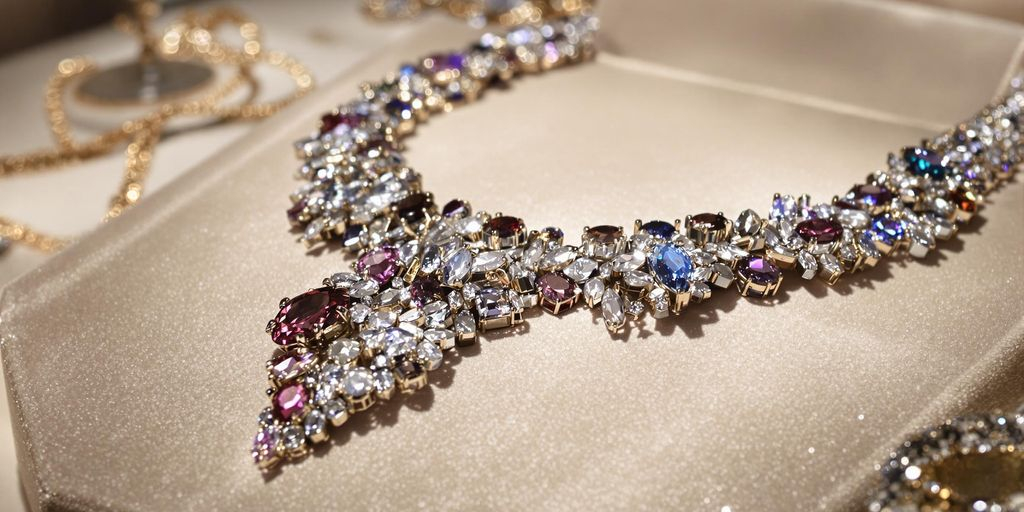
The value of a piece of jewelry isn't measured solely by its weight in gold or silver. Rarity plays a key role in determining its selling price. Whether through its origin, materials, or condition, each piece of jewelry tells a unique story that can influence its market price. In this article, we'll explore how a piece of jewelry's rarity influences its selling price.
Key points
- The provenance and history of a piece of jewelry increase its value.
- The materials used, such as gold or precious stones, are crucial for the valuation.
- The condition of the jewelry, including wear and repairs, greatly impacts its price.
- Market trends can cause the value of a piece of jewelry to fluctuate depending on demand.
- The brand and designer of a piece of jewelry can significantly influence its price.
The criteria for the rarity of a jewel
When it comes to jewelry, some are worth more than others. But what makes a piece of jewelry considered rare and, therefore, more expensive? Several factors come into play, and it's not just a matter of bling. Let's take a closer look.
Provenance and history
The story behind a piece of jewelry matters! A piece of jewelry that belonged to a historical figure or was created for a special occasion adds a layer of value. It's like a rare book: the story it tells makes it unique. For example, a brooch that belonged to Marie Antoinette isn't found every day. origin of a jewel can turn a simple ornament into a collectible.
The quantity produced
Quantity is a key factor. If a piece of jewelry is produced in a limited edition, it automatically becomes rarer. Think of luxury watches: some series are produced in only a few pieces, making them highly sought-after by collectors. It's the principle of supply and demand: the fewer there are, the higher the price.
The originality of the design
A unique design attracts attention and can drive up prices. A piece of jewelry created by a renowned designer or one that features a particularly innovative aesthetic will be more valuable than a standard piece. Originality is what distinguishes a work of art from a simple object.
Imagine a necklace with a never-before-seen shape, created by an artist everyone's talking about. This necklace isn't just pretty; it tells a story, it expresses a vision. That's the originality that makes the difference.
In short, the rarity of a piece of jewelry depends on a combination of history, quantity, and creativity. This is what transforms a simple accessory into an object of desire, capable of reaching new heights at auction.
The impact of materials on value
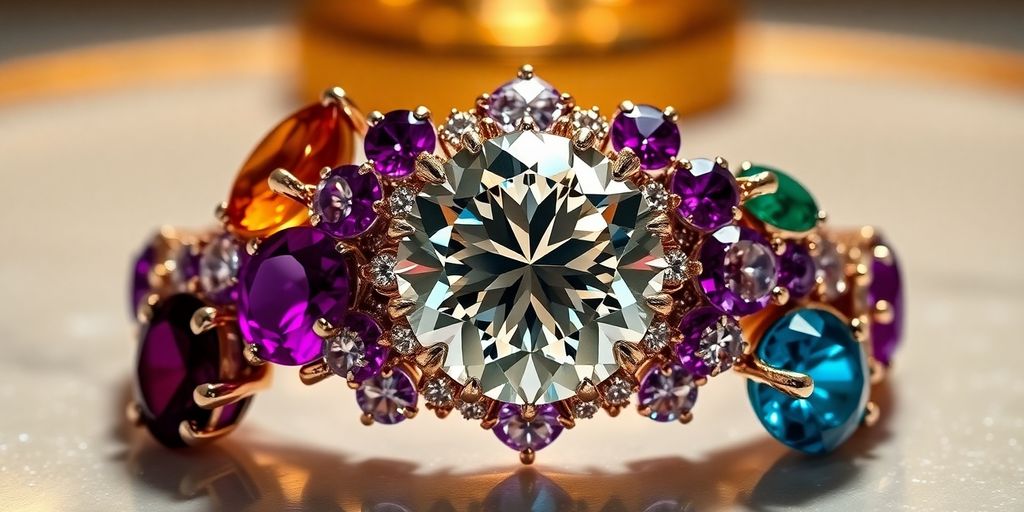
The choice of materials is essential in determining the price of a piece of jewelry. Let's not kid ourselves, it's often the first thing we look at. A solid gold piece will have a higher intrinsic value than a gold-plated piece, and everyone knows that. But that's not the only thing that matters, far from it. The quality of the stones, the way the piece is made, all of these things play a role.
Precious metals
Gold, silver and platinum are the stars of the jewelry world. But be careful, the purity of the metal is a determining factor. 24-karat gold, for example, is pure gold, but it is too malleable to be used on its own. So it is mixed with other metals, which lowers its price. Gold prices directly influences the price of gold jewelry.
Precious stones
Diamonds, emeralds, rubies, and sapphires are the most sought-after gemstones. Their value depends on several criteria, grouped under the name of the "4Cs": Carat (weight), Cut (size), Clarity (purity), and Color (color). The larger, more well-cut, purer, and more intensely colored a stone is, the more expensive it will be. But there are also other stones that can be valuable, such as opals or tourmalines, especially if they are rare or of exceptional quality. It is important to evaluate the quality of stones precious on the value before buying a piece of jewelry.
The quality of manufacturing
A piece of jewelry may be made of the finest materials, but if the workmanship is shoddy, its value will suffer. A piece of jewelry handmade by a talented craftsman will be more valuable than a piece of mass-produced jewelry. The complexity of the design and the precision of the finishing touches all count. We often talk about "know-how," and it's something that comes at a price.
We must also consider the ethical aspect. More and more consumers are becoming more aware of the origin of materials and the working conditions of artisans. A piece of jewelry made responsibly will have more value in their eyes.
The importance of the condition of the jewel
The condition of a piece of jewelry is a determining factor in its value. A piece of jewelry in perfect condition will always sell for more than a damaged one. Makes sense, right? Imagine buying a classic car with scratches all over and a bad engine... it's the same with jewelry.
Wear and tear and damage
General wear and tear, scratches, dents, missing stones, all affect value. A piece of jewelry that has suffered significant damage will have a significantly reduced value. You really have to be careful about this. For example, a necklace with a broken clasp or a ring with a missing stone loses value.
Previous repairs
Repairs can also play a role. If a piece of jewelry has been repaired, it's important to know how it was done. A quality repair, done by a professional, will have less negative impact than an amateur one. Sometimes, a poorly done repair can even damage the jewelry further. So, it's important to check whether the repairs are visible and whether they were done properly. If you want to sell jewelry, make sure they are in good condition.
Regular maintenance
Regular maintenance is essential to preserving the value of jewelry. A well-maintained piece is less likely to deteriorate and will retain its shine longer. Cleaning your jewelry regularly, storing it properly, and avoiding exposure to harsh chemicals all help maintain its value.
Regular maintenance is a long-term investment. A well-maintained piece of jewelry not only retains its beauty, but also its market value. Think of it like a car: regular maintenance extends its lifespan and maintains its resale value.
Here are some maintenance tips:
- Clean jewelry with a soft cloth after each use.
- Store jewelry individually in pouches or boxes to avoid scratches.
- Avoid wearing jewelry during physical activities or manual work.
- Have jewelry checked regularly by a professional to detect any potential problems.
Market trends and their influence
Popular styles
Tastes change, it's a fact. What was fashionable yesterday may not be today. It's the same with jewelry. Current trends greatly influence demand and, therefore, price. For example, a few years ago, chunky jewelry was very popular. Today, we're seeing a return to more delicate and minimalist pieces. These shifts in preference can significantly change the value of a piece of jewelry. It's important to keep an eye on what's in and out.
The impact of celebrities
Celebrities have enormous influence, and this is also reflected in the jewelry world. When a star wears a certain type of jewelry, there's often a spike in demand for that style. It's a bit like validation: if it's good enough for a celebrity, it's good enough for us.
Here are some examples:
- An actress wears a vintage necklace at a ceremony: boom, vintage necklaces suddenly become very sought-after.
- A singer sports a unique ring in his music video: sales of similar rings explode.
- An influencer promotes an ethical jewelry brand: interest in sustainable jewelry is growing.
It's important to note that celebrity influence can be fleeting. A trend started by a star can easily disappear as quickly as it appeared. This is why it's important to consider celebrity influence as a determining factor in a piece of jewelry's value.
Seasonal fluctuations
Just like clothing fashion, the jewelry market experiences seasonal fluctuations. Certain times of the year are better for purchasing jewelry than others. For example, the holiday season, Valentine's Day, and Mother's Day are times when demand increases significantly. Prices can then rise, especially for certain types of jewelry that are particularly popular during these times. It's also important to keep an eye on the numismatic market for collector's items.
Here is a table illustrating seasonal fluctuations:
| Period | Popular Jewelry Types | Impact on prices | reason |
|---|---|---|---|
| Christmas and New Year | Sparkling necklaces, earrings, bracelets | Rise | Christmas and New Year gifts |
| Valentine's Day | Rings, heart-shaped pendants, romantic jewelry | Rise | Gifts for lovers |
| Fête des Mères | Brooches, necklaces with birthstones | Rise | Gifts for moms |
| Summer | Colorful jewelry, anklets, toe rings | Stable | Summer style, fewer formal occasions |
Authenticity and certification
The authenticity of a piece of jewelry is a determining factor in its value. Without it, even a perfect imitation won't be worth much. It's a bit like buying a fake luxury watch: it may look like the original, but it will never have the same value or the same story. Authenticity guarantees the quality of materials, respect for the original design and, often, a story or provenance that adds to its value.
Hallmarks and marks
Hallmarks and marks are like the signature of the designer or manufacturer. They indicate the purity of the precious metal used (gold, silver, platinum) and can also reveal the origin of the jewelry. It's a bit like checking the label on a designer garment. If you see a hallmark, it's already a good sign, but you have to know how to decipher them. For determine the number of carats of your gold, there are several methods.
Certificates of authenticity
A certificate of authenticity is a bit like a piece of jewelry's birth certificate. It's an official document that attests to its authenticity and provides detailed information about its characteristics: the materials used, the gemstones, the dimensions, the weight, etc. It can also include information about the jewelry's history, its provenance, and its creator. It's a guarantee for the buyer and a major asset for the seller.
The importance of experts
Sometimes it's difficult to determine the authenticity of a piece of jewelry on your own. That's where experts come in. These professionals have the eye and knowledge to identify fakes and assess a piece's true value. Seeking expert advice is a bit like seeking a doctor's opinion before making an important health decision. It may cost a little, but it can save you a lot of grief.
The authenticity of a piece of jewelry is essential to its value. Without it, it is simply a worthless imitation. Hallmarks, certificates, and appraisals are all elements that help guarantee the authenticity of a piece of jewelry and determine its true value.
Collectors' perception
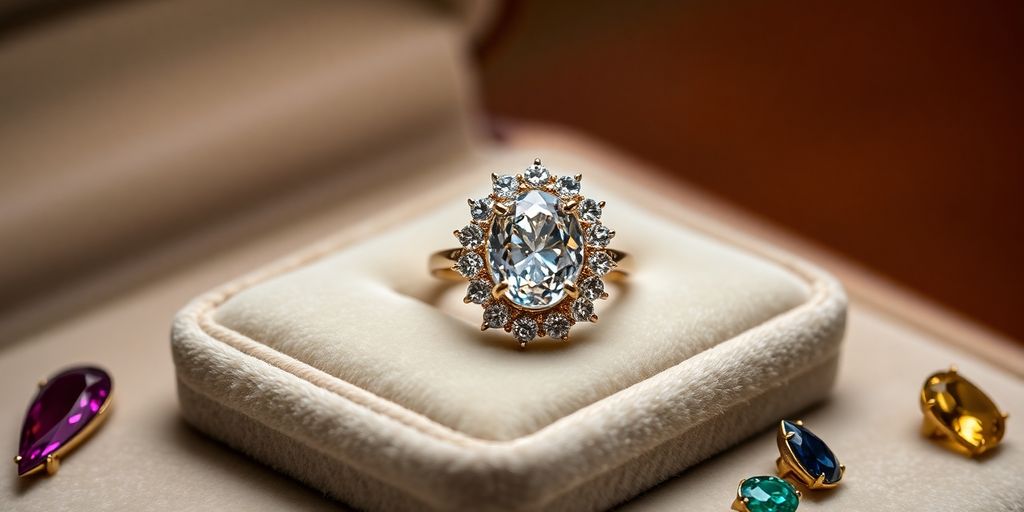
Collectors play a crucial role in determining the price of rare jewelry. Their passion and market knowledge can transform a simple object into a valuable investment. It's a bit like art; value is often in the eye of the beholder, but with well-defined criteria.
Collectible jewelry
Collectible jewelry is not just an accessory, it is a testament to an era, a symbol of a forgotten craftsmanship. Their value lies in their history, their rarity and their ability to arouse emotion. We often talk about unique pieces or limited editions, which makes them particularly sought-after. For example, a piece of jewelry that belonged to a historical figure can fetch astronomical sums at auction. It's important to know that the state of preservation plays an important role in estimating value. Collectors are often looking for pieces in perfect condition, or ones that have undergone as few modifications as possible.
The appeal of unique pieces
What makes a unique piece so desirable? It's often a combination of factors: an original design, exceptional materials, or a special story. Collectors are attracted by exclusivity, by the opportunity to own something that no one else has. It's a bit like owning a exceptional piece in a museum, but wearable. Craftsmanship plays a vital role, as a handmade piece with careful attention to detail will be more valuable than a mass-produced piece.
The impact of auctions
Auctions are an important barometer for assessing the value of collectible jewelry. They help balance supply and demand and determine the price collectors are willing to pay. Auction houses, such as Christie's and Sotheby's, are key players in this market. They organize prestigious sales where exceptional jewelry is offered at auction. The results of these sales can influence the market and provide an indication of the value of similar jewelry.
Understanding collectors' perceptions is essential to properly assessing the value of a rare piece of jewelry. It's not just about considering the materials and craftsmanship, but also the history, emotion, and exclusivity the piece represents.
The brand and the designer
We've all heard of jewelry that's worth a fortune, and often, it's not just the diamonds or the gold. The brand and designer behind the piece play a huge role. It's a bit like art: a Picasso painting is worth more than one done by your neighbor (no offense to your neighbor!).
The brand's reputation
A brand's reputation is a bit like its business card. The more prestigious it is, the more people are willing to spend. Think of names like Cartier, Tiffany & Co., or Van Cleef & Arpels. These brands have a long history of quality, innovative design, and exclusivity. This history translates into a higher perceived value. It's a bit like buying a luxury car: you pay for the brand as much as you pay for the car itself. jewelry request plays a crucial role in promoting renowned brands.
The designer's legacy
A renowned designer can transform a simple piece of jewelry into a work of art. Their vision, unique style, and ability to innovate make all the difference. Some designers have even created styles that have become classics, like Elsa Peretti at Tiffany. When a piece of jewelry bears the signature of a big name, its value skyrockets. It's like having an autograph on a collectible.
The impact on value
The impact of brand and designer on a piece of jewelry's value is undeniable. But how does this translate in practice? Here are some points to consider:
- Fame : A well-known brand attracts more potential buyers.
- Scarcity : Limited editions or unique pieces signed by a famous designer are highly sought after.
- Quality: Big brands are often synonymous with high-quality materials and impeccable workmanship.
Ultimately, the brand and designer add an emotional and cultural dimension to the jewelry. It's this story, prestige, and recognition that often justifies a higher retail price.
The brand and the designer are at the heart of our identity. Each piece we offer is the result of passionate work and unique craftsmanship. We invite you to discover our collection on our website. Don't miss the opportunity to find the item that's perfect for you!
Conclusion
Basically, the rarity of a piece of jewelry has a huge impact on its price. The rarer a piece is, the more expensive it can be. Whether it's a unique design, an antique piece, or a piece from a prestigious brand, all of these factors play a role. But let's not forget the condition of the jewelry, because damaged jewelry loses its value. Ultimately, if you have a piece of jewelry that you're considering selling, take the time to carefully evaluate all of these factors. This can make all the difference in the price you get.
Frequently Asked Questions
What are the criteria that make a jewel rare?
The rarity of a piece of jewelry depends on several factors such as its history, the quantity produced and the originality of its design.
How do materials affect the price of a piece of jewelry?
Materials like precious metals and gemstones often increase the value of a piece of jewelry.
Why is the condition of a piece of jewelry important?
The condition of a piece of jewelry, including wear and repairs, may diminish its value.
How do market trends influence prices?
Popular styles and celebrity influence can vary the demand and therefore the price of jewelry.
What is the authenticity of a jewel?
Authenticity is proven by hallmarks and certificates, and is crucial in determining the value of a piece of jewelry.
Does the brand of a piece of jewelry have an impact on its price?
Yes, jewelry from well-known brands is often more expensive due to its reputation and quality.
