Wondering how to spot a real Mexican 50 Peso coin? That's a great question, especially with the number of fake coins circulating. This gold coin, often called a "Centenario," is highly prized, and it's only natural to want to ensure its authenticity. We'll take a look at how to do this so you can invest with confidence.
Key Points to Remember about the 50 Mexican Pesos
- The authentic Mexican 50 Pesos weighs 41,67 grams, of which 37,5 grams is pure gold (900‰).
- Sonavers depicts winged Victory holding a laurel wreath and a broken chain, with volcanoes in the background.
- The reverse features the Mexican golden eagle devouring a snake, perched on a cactus.
- The edge bears the inscription “INDEPENDENCIA Y LIBERTAD” in capital letters.
- To avoid counterfeits, check weight, dimensions, engraving quality, color and shine, and buy from reliable sources.
1. Recognize the Mexican 50 peso gold coin
Wondering how to recognize the famous Mexican 50-peso gold coin, also known as the Centenario? This is an excellent way to ensure you're making a good investment or collecting purchase. This coin is quite imposing and has very specific characteristics that make it unique. It's worth noting that it was first minted in 1921 to celebrate the centennial of Mexico's independence. This is a bit like its official birth certificate.
To identify it correctly, here are the essential points to check:
- Weight and dimensions: It weighs 41,67 grams in total, including 37,5 grams of pure gold. Its diameter is 37 millimeters. It's a fairly substantial coin, so if you have a coin that seems too small or too light, be wary.
- Purity of gold: Its gold content is 900 parts per thousand, or 90% pure gold. The remaining 10% is usually an alloy of copper and silver, which gives it a slightly pinker hue than pure gold.
- Distinctive engravings: The obverse depicts Winged Victory, a female figure holding a laurel wreath and a broken chain. The background shows the Popocatépetl and Iztaccíhuatl volcanoes. The reverse features the Mexican eagle devouring a serpent, perched on a cactus, which is the national emblem of Mexico.
- Key inscriptions: Look for the words "50 PESOS", "37.5 Gr ORO PURO", the minting date (often 1921 or 1947, but other dates exist) and "LEY .900".
It is important to note that although the coin was first minted in 1921, there have been numerous reissues, particularly between 1943 and 1972. Coins minted after 1948 are usually dated 1947. This does not detract from their gold value, but it is a detail for purist collectors.
2. The distinctive characteristics of the room
To distinguish a genuine Mexican 50-peso gold coin from a counterfeit, you need to know its specific characteristics. It's a bit like learning to spot a friend in a crowd: there are details that don't lie.
Dimensions and weight: the basis of authenticity
An authentic coin has well-defined dimensions and weight. The Mexican 50 peso weighs exactly 41,67 grams, of which 37,5 grams are pure gold. Its diameter is 37 mm and its thickness is 2,8 mm. If you have a precision scale and a caliper, these measurements are a very effective first filter. Even the slightest difference can be a red flag. Counterfeiters often struggle to reproduce these specifications perfectly.
Gold purity: a key criterion
The coin is struck in a 900-thousandths gold alloy (90% pure gold). This purity is usually indicated on the coin itself, often as "37.5Gr ORO PURO" or similar, confirming the weight of fine gold. If the coin is too light or is made of a different alloy, this may indicate forgery. It is important to know that pure gold is very malleable, so a slight addition of other metals such as copper or silver is necessary to give the coin its strength and durability.
Engravings: Mexican Crafts
The details of the engravings are often the weak point of counterfeits. On the obverse, you'll see the Winged Victory, a female figure holding a laurel wreath in one hand and a broken chain in the other. In the background, Mexico's famous volcanoes, Popocatépetl and Iztaccíhuatl, are depicted. The reverse features the Mexican national symbol, the golden eagle, perched on a cactus and holding a snake in its beak, all surrounded by the inscription "ESTADOS UNIDOS MEXICANOS."
The slice: a discreet signature
The edge of the coin is not smooth. It bears the inscription "INDEPENDENCIA Y LIBERTAD" (Independence and Liberty) in capital letters. This inscription must be clear and well-formed. Counterfeit coins may have a smooth edge, or a poorly engraved inscription, or even no inscription at all.
Typos: Clues for Connoisseurs
Although less common on investment coins like the 50 peso, minting errors can sometimes occur. These can include double strikes, errors in dates, or errors in inscriptions. If you find a coin with an obvious minting error, it can be a sign of authenticity (as counterfeiters often try to reproduce perfect coins) or, conversely, a sign of poor manufacturing quality. It's important to remain vigilant and compare with examples of authentic coins.
3. The weight and diameter of the part
When it comes to the Mexican 50 Peso Gold coin, its dimensions are quite precise. This is a good way to spot fakes. A real coin is 37 mm in diameter. It weighs 41,67 grams in total, of which 37,5 grams is pure gold. This is quite heavy, so if a coin seems too light or too small, be wary.
Here is a quick summary of the important dimensions:
| Characteristic | Value |
|---|---|
| Diameter | 37 mm |
| Total weight | 41,67 gr |
| Weight of pure gold | 37,5 gr |
These numbers are important to know. They help distinguish a genuine piece from an imitation. Counterfeits often have dimensions that don't quite match, even if they may appear similar at first glance. You really need to pay attention to these details to avoid being scammed.
4. The purity of gold
The Mexican 50 Peso coin, often called the "Centenario," is primarily made of gold. Its purity is a key element in verifying its authenticity. It is important to know that this coin contains 37,5 grams of pure gold. The total weight of the coin is 41,67 grams. This means that it is not 100% pure gold, but is alloyed with other metals to make it more durable. This mixture is called an alloy, and in the case of the Centenario, it is an alloy of 900 thousandths (or 90% fine gold).
Composition of the alloy
The alloy used for the 50 Mexican Peso coin is 900‰ (thousand), which is 90% pure gold and 10% other metals, usually copper. This alloy choice increases the coin's hardness, making it less likely to wear or deform during handling or circulation. This is a common practice for investment coins.
What "37.5 Gr Oro Puro" means
You'll often see the inscription "37.5 Gr Oro Puro" on the coin. This directly confirms the amount of fine gold it contains. In other words, even though the coin weighs 41,67 grams in total, only 37,5 grams is pure gold. This is essential information for understanding the coin's intrinsic value, based on its gold content.
Check purity
There are several methods you can use to ensure the purity of gold. Visual inspection can already provide clues: a rich, uniform yellow color is a good sign. Counterfeits often have a different shade or a less shiny appearance. Furthermore, pure gold is not magnetic; if your piece is attracted to a magnet, that's a red flag. More advanced tests, such as measuring density or using a spectrometer, can be performed by professionals to confirm the exact composition of the alloy.
5. Engraving on the coin
When you talk about the Mexican 50 Peso Gold coin, the engraving is what really stands out. It's not just an image; it's the entire history of Mexico that's told on this little piece of metal.
The Obverse: Winged Victory
On one side, you have the Winged Victory, which is actually the Greek goddess Nike. She holds a laurel wreath in one hand, the symbol of triumph, and in the other, a broken chain, which represents freedom. Pretty telling, right? Behind her, we see the Popocatépetl and Iztaccíhuatl volcanoes, two super famous mountains in Mexico. This really anchors the coin to its country of origin. You'll also see "50 PESOS" on one side and "37.5Gr. ORO PURO" on the other, to remind you of the weight and purity of the gold. And of course, the important dates: the independence date (1821) and the date of the coin's minting.
The Reverse: The Mexican Eagle
The other side features the national emblem of Mexico: a golden eagle perched on a cactus, with a snake in its beak. It's taken from an old Aztec legend about how Mexico City was founded. It's a super powerful symbol for the country. Around the eagle, there's the inscription "ESTADOS UNIDOS MEXICANOS," which confirms that this is indeed a Mexican coin.
La Tranche: “Independence and Libertad”
And finally, the edge is the side of the coin. On the 50 Peso, it's not smooth. There's an inscription in capital letters: "INDEPENDENCIA Y LIBERTAD." This means "Independence and Liberty," another reminder of Mexico's history. It's a detail that may seem small, but it's super important to verify the coin's authenticity. Counterfeiters often forget these small details or do them poorly.
Basically, every detail of the engraving has a meaning and tells a part of Mexican history. This is what makes this coin so special, beyond its gold value.
6. The obverse: Winged Victory
The obverse of the Mexican 50 Peso Gold Coin, often called the "Centenario," is a true work of art that tells a story. You'll see the Winged Victory, an allegorical figure inspired by the Greek goddess Nike. In one hand, she holds a laurel wreath, a symbol of triumph, and in the other, a broken chain, representing freedom. It's a powerful image that evokes the struggle and victory of the Mexican people.
Behind this iconic figure, you'll notice the majestic silhouettes of the Popocatépetl and Iztaccíhuatl volcanoes. These two peaks are powerful symbols of Mexican national identity. The inscription "50 PESOS" is clearly visible to the right of the Victory, and just below it, you'll read "37.5Gr. ORO PURO," reminding you of the weight of fine gold contained within the coin. The date of Mexico's independence, 1821, as well as the year the coin was minted, are also present, adding a historical dimension to the whole.
Key elements of the obverse
- Winged Victory: Depiction of Nike, holding a laurel wreath and a broken chain.
- Volcanoes: Popocatépetl and Iztaccíhuatl, symbols of the Mexican landscape and history.
- Inscriptions : "50 PESOS", "37.5Gr. ORO PURO", "1821", and the year of minting.
Attention to detail on the obverse is an excellent indicator of the coin's authenticity. Counterfeits often have less fine engravings or errors in the inscriptions.
7. The reverse: the Mexican eagle
Now let's move on to the reverse of the Mexican 50-peso gold coin, an element just as symbolic as the obverse. This is where you'll find Mexico's national emblem, a powerful image that tells an ancient story. It's a golden eagle, perched on a cactus, holding a serpent in its beak and talons. This scene isn't just a pretty engraving; it's taken directly from the Aztec legend that led to the founding of Mexico City-Tenochtitlán, the capital of the Aztec Empire. It's a bit like the Mexican flag, but in miniature and in gold!
The Eagle and the Serpent: An Engraved Legend
The golden eagle, majestic on its cactus, is the central symbol of this reverse. It is often depicted in a proud posture, its gaze fixed, ready to act. The snake it holds is an important detail, adding to the narrative richness of the scene. The whole is surrounded by the inscription "ESTADOS UNIDOS MEXICANOS," which confirms the coin's origin and anchors its national identity. It is truly an elegant way to represent the history and culture of Mexico on such a precious object.
The details that make the difference
When examining the reverse, pay attention to the fine details. The quality of the eagle's engraving, the texture of the cactus, the shape of the snake—they all need to be crisp and precise. Counterfeiters often struggle to reproduce these details with the same finesse. Blurry or simplistic engraving on the reverse is a red flag. Also, look at how the eagle is positioned; it should look natural, not frozen or out of proportion. It's in these little things that the truth lies, you know.
8. The installment: “Independencia y Libertad”
Now let's look at the edge detail of your Mexican 50 peso coin. This is often an area where counterfeiters make mistakes. On a genuine coin, you'll see the inscription "INDEPENDENCIA Y LIBERTAD" engraved in capital letters. It's a powerful message that recalls Mexico's struggle for independence and freedom.
The inscription “Independencia y Libertad”
This phrase, which means "Independence and Liberty," is engraved on the edge of the coin. It serves as a reminder of Mexico's fundamental values. Pay attention to the quality of the engraving: the letters must be crisp and well-formed. On fake coins, the inscription may be blurred, poorly spaced, or even contain spelling errors. This is a detail that can really tip you off to a counterfeit.
The quality of the engraving on the edge
When examining the edge, pay close attention to how the letters are engraved. Is it deep and precise, or does it look shallow and a bit crude? Genuine coins have high-quality engraving, even on the edge. If you see irregularities, burrs, or if the inscription looks like it was added as an afterthought, be suspicious. This is a good clue that the coin may not be what it claims to be.
9. Distinctive signs of counterfeits
Given the popularity of the Mexican 50-peso gold coin, counterfeits are unfortunately commonplace. It's therefore essential that you know how to spot the signs of a fake to avoid being scammed. Counterfeiters use increasingly sophisticated techniques, but certain details often betray their work.
Weight and dimensions: the first check
Counterfeits often have dimensions or weights that don't exactly match the specifications of the genuine coin. Even a small difference can be a clue. Consider using a precision scale and calipers to check these details.
Visual appearance and wear: the devil is in the details
Examine the coin carefully. Fake coins may appear too perfect, as if they just came off the press, or conversely, show signs of wear that appear artificial. Natural wear, the kind that comes with time and handling, is difficult to imitate. Look closely at the engravings and inscriptions, and compare them with images of genuine coins if you have the opportunity.
Color and shine: subtle clues
Gold color and shine can also vary. A counterfeit piece might have a slightly different hue, a little too yellow or too pale, or a shine that doesn't match that of real gold. Again, comparing it to a reference piece is your best friend.
Errors in engravings: a telltale sign
The details of engravings are often the weak point of counterfeits. Counterfeiters may have difficulty reproducing the finesse of lines, the clarity of inscriptions, or the precision of motifs. Look for irregularities, smudges, or a lack of sharpness in engravings, particularly on the eagle or the Winged Victory.
10. Tools to detect fakes
To avoid the pitfalls of counterfeiting, it's essential to equip yourself with the right tools. These tools will allow you to examine the Mexican 50 peso coin with a precision that eludes the naked eye.
Magnifying glasses and microscopes
These are the numismatist's first allies. A good magnifying glass, with at least 10x magnification, is necessary to scrutinize the finest details: the fineness of the engravings, any signs of wear, or imperfections that betray a fake. A microscope, if you have access to one, takes the analysis of micro-details even further.
Metal detectors and other electronic devices
Although more often associated with searching for buried treasure, some electronic detectors can help identify a coin's metallic composition. Technologies such as ultraviolet rays or magnetic sensors can reveal anomalies. There are also specific devices for testing metal density, a fairly reliable method.
Chemical tests
For further verification, chemical testing is an option. A simple acid test, for example, can quickly indicate whether a piece is real gold or simply plated. Be careful, however, as these tests can damage the piece if not performed carefully by a professional.
The precision balance
Gold has a very specific density. A fake coin will often have a slightly different weight than a genuine one, even if it's made of a similar metal. Using a precision scale is therefore a simple but effective step in spotting an anomaly.
It's important to note that using these tools together greatly increases your chances of detection. However, nothing replaces experience and a thorough knowledge of authentic coins. A coin may appear perfect at first glance, but careful observation with the right tools can reveal subtle but revealing differences.
Vigilance is your best weapon. Never rely solely on a room's general appearance. Take the time to examine it from every angle with the right tools.
11. Magnifying glasses and microscopes
To examine your Mexican 50 peso coin closely and spot any counterfeits, magnifying glasses and microscopes are your best allies. They're fairly basic tools, but they're super effective at spotting details that the naked eye can't see.
The Magnifying Glass: Your First Level of Inspection
A good magnifying glass, with at least 10x magnification, is really the minimum you need to clearly see engravings, small imperfections, or signs of wear that could betray a fake. It's like having superpowers for your eyes!
The microscope: to go even further
If you want to be really meticulous, a microscope will allow you to analyze the coin's surface at an even finer level. You'll be able to see details about the quality of the strike, the regularity of the fields (the flat areas of the coin), or even micro-scratches that shouldn't have been there.
What to look for with these tools:
- The finesse of details: Genuine coins have clean, precise engravings. Fakes may have blurred lines or less pronounced relief.
- The regularity of the fields: Check that the surface is smooth and even. Counterfeits may have surface defects, small bubbles, or rough spots.
- Inscriptions : Check that the letters and numbers are well formed and legible, without smudges.
- Wear and tear: A genuine coin will have natural, even wear. A fake may show unusual or artificial signs of wear.
Remember that even the most skilled forgers sometimes leave traces. Careful observation with the right tools can make all the difference.
12. Counterfeit money detectors
To avoid the pitfalls of counterfeiting, it's a good idea to equip yourself with specific tools. These devices will help you examine the coin more closely and detect anomalies that might escape the naked eye.
Magnifying glasses and microscopes
These instruments are your best allies for a thorough inspection. A good magnifying glass, with at least 10x magnification, will allow you to distinguish fine details in engravings and spot any burrs or imperfections in the inscriptions. It's often in these small details that the clues to a fake coin lie hidden.
Metal and counterfeit money detectors
There are electronic devices designed to identify precious metals and detect counterfeits. Some use technologies such as ultraviolet rays or magnetic sensors to analyze the coin's composition and characteristics. Although more commonly associated with banknotes, some models can be useful for coins.
Chemical tests
For further verification, chemical tests can be very useful. A simple acid test, for example, can help determine whether the piece is solid gold or simply plated. However, these tests must be handled with care and the results must be interpreted correctly, as they can also damage the piece if performed incorrectly.
It's important to note that no tool is 100% foolproof. Combining multiple analysis methods, along with your own knowledge and experience, remains the best approach to identifying a counterfeit.
13. Chemical tests
Chemical tests
To further verify your Mexican 50 peso gold coin, you can use chemical tests. These methods, while requiring a little more care, can provide reliable information about the metal's composition. It's important to note that these tests can slightly alter the coin if not performed carefully, so use them as a last resort or on coins whose authenticity you are unsure of.
- Nitric acid test: This is a fairly common method. You can use a small touchstone and discreetly rub it along one edge of the coin to collect a trace. Then, apply a drop of nitric acid to this trace. If the trace turns green, it is a sign that the coin is not pure gold, or that it is plated. Pure gold does not react to dilute nitric acid. Be careful, there are different strengths of acid for testing different types of gold (10K, 14K, 18K, etc.), but for a coin supposedly made of 900/1000 gold, standard nitric acid should be enough to reveal a difference.
- Density test: Although this is not strictly a chemical test, it is based on chemical and physical properties. Gold has a very specific density. By accurately measuring the weight of the coin and its volume (which can be done by submerging it in water and measuring the volume of water displaced), you can calculate its density. If this density does not match that of 900/1000 gold (approximately 17,1 to 17,3 g/cm³), this may indicate a counterfeit.
- Comparison with known parts: If you have access to a Mexican 50-peso coin that you're certain is authentic, you can perform comparative tests. For example, a simple magnetic test: gold is not magnetic. If your coin is attracted to a magnet, it's a clear fake.
It's always best to combine several verification methods. No single test is 100% foolproof. Caution and comparison are your best allies to avoid unpleasant surprises.
14. Visual appearance and wear
When examining your Mexican 50 peso coin, the overall visual appearance and wear are important clues. A genuine coin, even one that has been circulated, will show wear that appears natural. Counterfeits, on the other hand, may appear either too perfect, as if they just came from the factory, or show signs of wear that are not consistent with normal use. Therefore, it is important to pay attention to how time has affected the coin.
Natural wear and tear: a sign of authenticity
A coin that has lived in will show subtle but well-distributed signs of wear. The reliefs may be slightly softened, the details less sharp, but this is done evenly across the entire surface. Think of an old coin you might have found in a drawer; it has a patina, a kind of softness that comes with age. This is the kind of wear you should look for on a genuine Mexican 50 peso coin. Small surface scratches, if they are not too deep, are part of that story.
Signs of a counterfeit in wear and tear
Conversely, a fake coin may show artificial wear. For example, the edges may be too smooth, as if they've been sanded, or some details may be unevenly erased. Sometimes counterfeiters try to age the coin by rubbing it or dipping it in products, which results in a strange, unnatural appearance. If the coin looks too shiny, too new, or conversely, if it looks suspiciously mistreated, be wary.
Comparison with a reference part
The best way to judge wear is to compare your coin with another one you're certain is authentic. Place them side by side and look closely at the differences. You'll quickly see if the wear on your coin looks normal or if there's something fishy about it. It's a bit like comparing two photos; you can quickly spot alterations when you have the original in front of you.
Careful observation of the surface condition and how the details have been affected by time is a key step in distinguishing a real coin from an imitation. Don't neglect this aspect, as it speaks volumes about the coin's history.
15. Color and shine
When examining a Mexican 50 peso coin, color and shine are important clues. A genuine gold coin will have a distinctive golden yellow hue, neither too dull nor too bright. Counterfeits, on the other hand, can sometimes have a color that leans toward pale yellow, copper, or even a slightly overly shiny appearance, as if it were plated. It's subtle, but with practice, you can begin to spot these differences.
It's important to know that gold, even pure gold, can have slight variations in color depending on the alloys used. For the Mexican 50 peso, which is made of 900-thousandths gold (90% pure gold), this color is fairly consistent on authentic coins. If you see a coin that appears to have a truly unusual color, that's a warning sign.
Always compare with a piece you know is authentic if possible. This is the best way to train your eye. Counterfeiters have difficulty perfectly reproducing the luster and depth of color of real gold.
Here are some points to observe:
- The general color: Look for a rich, warm golden yellow.
- The shine: It should be uniform, without artificial shine or suspicious matte appearance.
- Wear and tear: A genuine coin, even if it has been circulated, will have natural wear that affects the shine evenly. A fake coin may appear too new or have wear that does not match its supposed age.
Pay attention to details. A color or shine that seems to you
16. Errors in engravings
Minting errors can happen on any coin, even the 50 Mexican Peso. They're not necessarily a defect; on the contrary, they can even make the coin more interesting for collectors. You just have to know how to spot them.
Common types of errors
There are three main types of errors that can occur when minting a coin:
- Double strike: This is when the coin is struck twice. As a result, the image may be a little blurry or off. This is the kind of error that can really increase the value of a coin.
- Date errors: Sometimes the year indicated on the coin is incorrect. This can happen due to manufacturing issues. An incorrect date makes the coin unique and therefore more sought-after.
- Registration errors: Here, it's the text that poses a problem. Poorly engraved words, spelling mistakes, or even missing letters. It may seem trivial, but for a knowledgeable collector, it's a detail that can be important.
How to spot these errors?
To spot these small imperfections, you have to be attentive. Start with a simple visual inspection. Look closely at the coin to see if the details are sharp and the markings are clear. Sometimes, errors are obvious.
If you're not sure, a good old-fashioned magnifying glass works wonders. It will allow you to see details that the naked eye can't capture. Check the legibility of the inscriptions, the regularity of the edges, the definition of the patterns. It's a bit like being a detective, but for gold coins!
Remember that even a small minting error can transform an ordinary coin into a true treasure for a collector. The overall condition of the coin also remains a key factor in its value.
If you're really unsure, it's best to seek the advice of a numismatic expert. They have the experience and tools to identify these errors and tell you if your coin has any special value because of them.
17. Buy from reputable sellers
To maximize your chances of buying counterfeits, it's important to shop with reputable sellers. Consider specialized stores, whether physical or online, that have been around for a while and are known for their reliability. These professionals generally have extensive knowledge of the market and can guarantee the authenticity of the pieces they sell. They can also often provide certificates of authenticity, which is an additional guarantee of trust.
It's important to know that the numismatic market is constantly evolving, with new counterfeiting techniques emerging. To stay informed and avoid getting scammed, it's advisable to do some basic training. Reading specialist books, keeping up with the latest news on the gold and collectible coin market, or consulting experts can really help you make the right choices. Remember that even if a deal seems too good to be true, it often is.
Here are some points to check when shopping:
- Favor sellers with a physical storefront or an established and recognized online presence.
- Always ask for a certificate of authenticity for each piece purchased.
- Don't rely solely on price; an abnormally low price can be a warning sign.
- Research the seller before finalizing your purchase.
Being wary of overly tempting offers, especially from unknown or unscrupulous sellers, is a golden rule for any collector or investor. Caution is your best friend.
18. Request certificates of authenticity
To have solid proof of the authenticity of your 50 Mexican peso coin, it is strongly recommended that you request a certificate of authenticity. This document is a sort of identity card for your coin, certifying that it is indeed the real thing and that it meets the expected characteristics.
When you buy a coin, especially if it comes from a seller you don't know well, this certificate is your best guarantee. It should normally accompany the coin, especially if it's being sold as a collectible or investment item. Think of it as extra insurance. If the seller can't or won't provide this document, that should raise a red flag. It's best to be cautious and look elsewhere.
This certificate must contain specific information about the coin, such as its exact weight, gold purity, and sometimes even a unique serial number that can be linked to the coin itself. It's a bit like a car's VIN number; it allows you to trace and verify its origin.
It's important to note that not all certificates are created equal. A certificate issued by a recognized numismatic expert or trusted institution will carry much more weight than a simple piece of paper printed by the seller. Research the reputation of the person issuing the certificate. If in doubt, don't hesitate to have the coin and its certificate verified by an independent professional.
19. Train and inform yourself regularly
The world of numismatics, especially when it comes to investment coins like the Mexican 50 Peso, is constantly evolving. To avoid being fooled by increasingly sophisticated counterfeits, it's really important to stay informed. Consider reading specialized books on gold coins; they'll give you a solid foundation. Reference catalogs, like World Coins, are also extremely useful for comparing details and minting dates.
You should also keep up with market news. Numismatist forums, specialized websites, and even social media can be good sources of information. You'll find discussions on new counterfeiting methods, as well as expert advice. Don't hesitate to regularly visit the websites of major auction houses or renowned numismatists; they often share interesting analyses.
Staying up-to-date with the latest trends and detection techniques is your best weapon against fakes.
Here are some ways to stay up to date:
- Read specialist publications: Subscribe to numismatic magazines or read expert blogs.
- Participate in events: Coin fairs, exchanges and conferences are perfect opportunities to meet enthusiasts and professionals.
- Train yourself with the tools: Learn how to use a quality magnifying glass, microscope, or even measuring devices to accurately check weight and diameter.
The counterfeit market is constantly evolving. Counterfeiters are adapting and using increasingly sophisticated techniques. Staying informed is the key to avoiding falling into the trap.
20. The evolution of the fake market
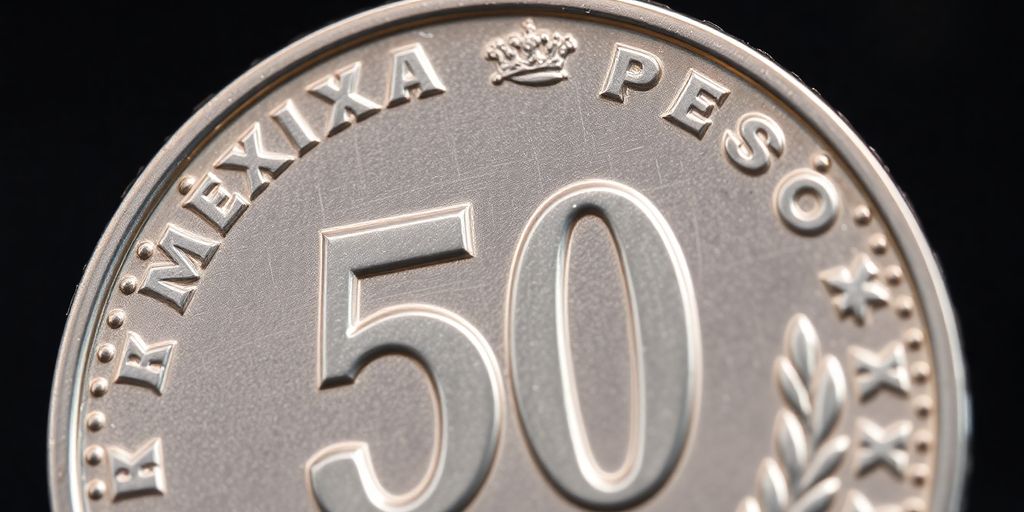
The world of fakes is a bit like an arms race. Over time, methods for manufacturing counterfeits have become increasingly sophisticated. What was once the work of a patient craftsman is now often the product of more industrial production. Counterfeiters no longer just crudely copy; they seek to reproduce the finest details to fool even the most knowledgeable collectors.
We're seeing more and more pieces that, at first glance, appear completely authentic. Counterfeiters invest time and resources to make their creations visually impressive. Sometimes, they even manage to reproduce the weight and dimensions with disconcerting precision. This is where it gets tricky, as you really need a keen eye to spot the subtle differences.
What's interesting is that this rise in fakes goes hand in hand with the growing interest in numismatics. The more people become interested in antique and collectible coins, the more the market for fakes grows. It's a bit of a vicious circle, but it also shows how valuable and attractive these coins are.
It's important to know that the techniques used by counterfeiters have evolved considerably. They've moved from simple casting to more complex methods such as die casting or striking using engraved dies. Some even go so far as to modify authentic coins to pass them off as rarer or more valuable versions. It's a real battle of ingenuity.
The counterfeiting industry is constantly adapting, making vigilance and continuous information absolutely necessary for any serious collector.
21. The numismatic value of the coin
The value of a 50 Mexican peso coin isn't limited to its weight in gold. In numismatics, certain details can increase its price well beyond the simple value of the precious metal. It's important to know that minting errors, for example, can make a coin much rarer and therefore more sought-after by collectors. These include double strikes, where the coin has been struck twice, creating a particular visual effect, or inscription errors, such as a spelling mistake or a missing word. These imperfections, far from being flaws, become assets that can multiply the coin's value.
It's also important to consider the coin's condition. A coin in perfect condition, known as a 'Fair Coin' (FDC) in mint condition, will always be worth more than a worn or damaged coin. Discreet collectors strive for perfection, and this is reflected in the price.
Here is an overview of what can influence numismatic value:
- Typos : Double typing, date or entry errors.
- Conservation state : From 'Assez beau' (AB) to 'Fleur de coin' (FDC).
- Scarcity : Some years or series may be more difficult to find.
- Collectors' request : Market interest in specific parts.
It is important to distinguish between a 'faulty' coin, which has a manufacturing error and may have numismatic value, and a counterfeit coin, which is an imitation with no intrinsic value. The former is sought after, the latter should be avoided at all costs.
22. The current market and the price of the coin
The market for investment coins, like our famous Mexican 50 Pesos, is a bit like the stock market; it's constantly changing. Prices vary depending on many things: Gold prices, of course, but also the demand from collectors. It's not just a question of weight of gold, you see.
Currently, if you want to buy a 50 Peso coin, you can expect a net price of around €2. However, if you want to resell it, the price will be around €798,00. These figures change daily, so you really need to check specialized sites for the most up-to-date information.
Factors influencing price
- The price of gold: This is the number one factor. When gold goes up, the price of your coin goes up too, and vice versa.
- Collectors' demand: Certain years or coins with particularities may be more sought after, which increases their value beyond the simple value of gold.
- The state of conservation: A coin in perfect condition, without scratches or wear, will always be worth more than a damaged one. That's why it's important to handle and preserve it properly.
- Scarcity : If a minting year is rarer, or if there were interesting minting errors, it can make the coin more valuable to numismatists.
It's important to know that the gold market has had its ups and downs. Sometimes, unscrupulous people take advantage of this to sell fakes or coins at inflated prices. That's why it's incredibly important to do your research and buy from trusted professionals.
Where to find current prices
To get a precise idea of prices, it is best to regularly consult:
- Sites specializing in the sale of precious metals.
- Collectible coin pricing platforms.
- Financial news sites that track the price of gold.
23. Expert advice on numismatics
To truly master the art of recognizing and evaluating a Mexican 50 Peso Gold Coin, you need to listen to those who know the subject inside and out: numismatic experts. They don't just look at the coin; they analyze it from every angle.
The importance of the purchasing source
The first and perhaps most obvious tip is to always buy from trusted sellers. Remember, a reputable seller has a vested interest in maintaining their good reputation. They often have a long history in the collectible coin business and know that their credibility is their greatest asset. Don't hesitate to do your research on the seller before reaching for your wallet. A good seller will be transparent about the origin of their coins and will be able to provide you with documentation that proves their authenticity.
Certificates of authenticity, your best allies
A certificate of authenticity is like your coin's ID card. It certifies that the coin is what it claims to be. Experts insist that every purchase, especially for valuable coins, should be accompanied by this document. It protects you from blatant counterfeits and gives you peace of mind. If a seller is hesitant to provide you with this certificate, that's a red flag.
To train is to protect oneself
The world of numismatics is constantly evolving. New forgery techniques are emerging, and old ones are being refined. To avoid being scammed, experts will tell you to keep learning. Read specialized books, follow publications on the subject, and if possible, talk to other collectors or professionals. The more you know, the better you'll be able to spot anomalies.
The essential tools of the informed collector
To take the inspection further, experts recommend equipping yourself. A good magnifying glass, with at least 10x magnification, is a minimum. It allows you to see the details of the engravings, any signs of wear, or imperfections that indicate a fake. For the more meticulous, a microscope can even be useful. There are also specific metal detectors or chemical tests that can help verify the coin's composition, although these are often reserved for professionals.
Visual appearance: color, brightness and details
The color and shine of a genuine gold coin are distinctive. Fakes often have a different shine, either too bright or dull. Engravings are also a key point. Experts examine the fineness of the details and the clarity of the inscriptions. Counterfeits often have engraving errors, misshapen letters, or imprecise designs. Look closely at the eagle, the Winged Victory, and the inscriptions on the edge. Even the slightest inconsistency can be a clue.
24. Common imitations and how to avoid them
It's true that the market is flooded with fakes, and counterfeiters are getting more and more skilled. To avoid getting scammed, you need to know how to spot the most common imitations. Often, fakes are revealed by subtle details, but once you know what to look for, it becomes easier.
Weight and height errors
One of the first things to check is the coin's weight and dimensions. Genuine Mexican 50 peso coins have very precise specifications. If you have a coin that seems a little too light, too thick, or has a slightly different diameter, be wary. Counterfeiters have difficulty reproducing these characteristics exactly. Consider using a precision scale and calipers to make these checks.
The quality of the engravings and inscriptions
Look closely at the engraved details on the coin. On a genuine coin, the reliefs are sharp, and the inscriptions are clear and well-formed. Fakes often have fuzzy engravings, poorly formed letters, or details that lack finesse. For example, the eagle on the reverse or the Winged Victory on the obverse may have less precise features on a counterfeit. Even the edge inscription, "Independencia y Libertad," may be less sharp or poorly spaced on a fake coin.
Suspicious color and shine
The color of the gold and its shine are also important indicators. Authentic pieces have a specific golden hue. If the piece you're examining has a color that's too yellow, too pale, or has a shine that looks artificial, that's a red flag. Fakes can be made of less pure metals or plated, which changes their visual appearance. Always compare with a piece you're sure is authentic if possible.
Simple tests to detect fakes
There are a few tests you can do yourself to check authenticity. The sound test, for example: a genuine gold coin produces a clear, drawn-out sound when gently jingled. A fake coin will often have a dull or short sound. You can also try the ice test: gold conducts heat very quickly, so if you place an ice cube on a real coin, it will melt almost instantly. Be careful, these tests are not foolproof, but they can help spot the crudest counterfeits.
25. The 50 Peso Gold Coin: A Safe and Sought-After Investment
The Mexican 50 Peso Gold Coin, often referred to as the "Centenario," is more than just a collectible; it's a solid and sought-after investment. Its value lies not only in its weight of gold, but also in its history and symbolism. If you're looking to diversify your assets or hedge against inflation, this coin may be an interesting option to consider.
Why the 50 Peso Gold Coin is a Good Investment
- Tangible asset and safe haven: Like any gold object, it offers protection against economic instability. Gold has an intrinsic value that survives crises.
- International Reconnaissance: The "Centenario" is well known, especially in Mexico and the United States, which makes it easy to resell.
- Historical and symbolic design: The Winged Victory on the obverse and the Mexican eagle on the reverse tell a story, adding a cultural dimension to its value.
- Competetive price : Compared to other bullion coins, its premium (the additional cost beyond the value of the gold) is often more reasonable, making it more accessible to acquire a significant amount of gold.
Key features for investment
| Characteristic | Details |
|---|---|
| Total weight | 41,67 grams |
| Fine gold weight | 37,5 grams |
| Purity | 900‰ (90% pure gold) |
| Diameter | 37 mm |
| Slice | "Independence and Freedom" |
| Avers | Winged Victory, Mexican Volcanoes |
| reverse | Mexican eagle, snake |
| Years of typing | Mainly 1921-1931, then 1943-1972 |
It is important to note that, although the coin is recognized for its gold content, its numismatic value may vary depending on the year of minting and its condition. Some years, such as the centenary of independence (1921), may be more sought after by collectors.
Tips for a wise purchase
To ensure you make a good investment, here are some points to keep in mind:
- Buy from trusted sellers: Choose recognized numismatists or precious metal dealers.
- Check authenticity: Make sure the coin matches the specifications described in this article. Weight, diameter, and engraving quality are important indicators.
- Request a certificate: If possible, obtain a certificate of authenticity to accompany your purchase.
- Follow the price of gold: The price of the coin is directly linked to the price of gold, so it is good to stay informed of market fluctuations.
The 50 Peso Gold coin is a very popular choice for those who want invest in goldIt's a globally recognized coin, making it easy to buy and sell. If you're looking for a safe way to make your money grow, this coin is a great option. It has great value and is always in demand by collectors and investors. Consider adding this coin to your gold collection. To learn more about investing in gold, visit our website today!
In conclusion: your 50 Mexican Pesos, a treasure to protect
There you have it, you now have all the information you need to recognize your Mexican 50 Peso coin and, above all, to avoid unpleasant surprises. Remember that vigilance is your best friend. By knowing the characteristics of this gold coin, from its weight to its engravings, and by paying attention to the details that betray counterfeits, you can invest with complete peace of mind. Always choose trusted sellers and don't hesitate to ask for advice if you have any doubts. Your Mexican 50 Peso coin deserves your full attention to preserve its value and its history.
Frequently Asked Questions
How can I be sure my Mexican 50 peso gold coin is genuine?
To recognize a genuine Mexican 50-peso gold coin, pay close attention to its details. It should weigh 41,67 grams and measure 37 mm in diameter. Also look for the gold purity, which is 900 parts per thousand. On one side, there is an image of the winged Victory, and on the other, the emblem of Mexico. Be careful, as counterfeit coins may have flaws in these designs or be the wrong weight.
What are the best tips to avoid buying a fake 50 peso gold coin?
To avoid fakes, buy your coin from trusted sellers, such as well-known jewelers or numismatists. Always ask for a certificate of authenticity; it's like an ID card for the coin. If you're buying online, double-check the seller's reputation. It's worth paying a little more to be sure you're getting a genuine coin.
How can I test the authenticity of a 50 peso gold coin without special equipment?
There are several tricks you can use to check if a coin is fake. Weigh it to see if it's the correct weight (41,67g). Look at its color and shine: fake coins can be too shiny or have an odd hue. You can also use a magnifying glass to examine the details of the engravings. If in doubt, seek professional advice.
What is the story behind the Mexican 50 peso gold coin?
The Mexican 50-peso gold coin has an interesting history. It was created to celebrate Mexico's 100th anniversary of independence in 1921. That's why it's often called the 'Centenario'. It features important symbols for Mexico, such as the eagle and volcanoes.
What are the most common tricks used by counterfeiters to deceive people?
Counterfeiters try to copy the coin by using cheaper metals, such as copper, and covering it with a thin layer of gold. Sometimes they make mistakes about the weight or size. They may also make mistakes in the designs, such as blurred lines or missing details, especially on the reverse with the eagle.
Is the Mexican 50 Peso Gold Coin a good investment?
Yes, the 50-peso gold coin is considered a good investment. It contains a lot of gold (37,5 grams of pure gold) and is easy to resell because it is known worldwide, especially in Mexico and the United States. It's a bit like having a small gold bar, but prettier and with a story.